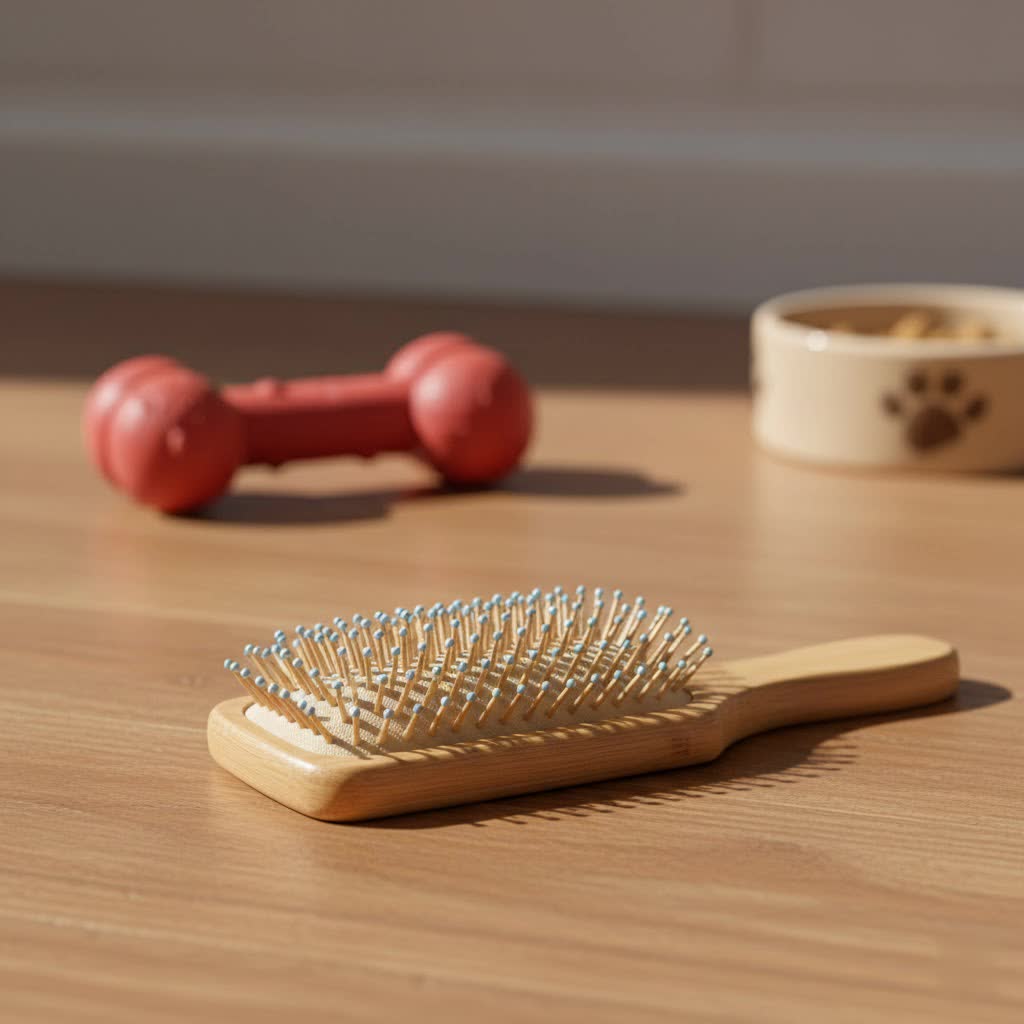
Step into a world where hair care was an art form, where tools were crafted with precision and imbued with a timeless elegance. For decades, the humble hair brush has been an indispensable part of our daily routines, but have you ever considered the charm and benefits of a vintage hair brush? More than just an antique, these beautiful implements offer a unique blend of historical craftsmanship, superior materials, and styling advantages that modern brushes often miss. This comprehensive guide will transport you through the rich history of hair brushes, explore their diverse types and exquisite materials, teach you how to choose and use the perfect vintage piece for your hair, and even where to find these hidden treasures. Prepare to improve your hair care ritual and discover why a vintage hair brush might be the missing link in achieving truly healthy, radiant locks.

What is a Vintage Hair Brush? Why Do You Need a Good One?
A vintage hair brush refers to a hair grooming tool manufactured in a bygone era, typically ranging from the Victorian period through the mid-20th century. These brushes are celebrated for their distinctive designs, often ornate handles, and the use of high-quality, natural materials that were prevalent before mass production and synthetic alternatives became commonplace. Far from being mere relics, a good vintage hair brush embodies a legacy of craftsmanship, designed not just for detangling but for promoting overall hair health and shine. For browse all hair brush articles on this site.
The history of the hair brush itself dates back centuries, with early versions crafted from natural materials like bone and shells. However, what we recognize as a modern hair brush truly began to take shape in the late 18th century. William Kent founded Kent Brushes in England in 1777, marking the establishment of the first known hair brush manufacturer. These early brushes were simple yet effective, typically made from wood and natural bristles. As centuries progressed, innovation led to various design patents: Hugh Rock introduced a significant modern hair brush design in 1854, Samuel Firey patented a brush combining wire teeth and natural bristles in 1870, and Lyda Newman patented an improved hair brush with durable synthetic bristles and a ventilation chamber in 1898. In the same era, Mason Pearson also introduced the now-iconic rubber-cushioned brush design, perfected in the 1920s.
Beyond their historical significance, vintage hair brushes played a crucial role in hair health, especially before the widespread use of shampoos. Their natural bristles were adept at pulling natural oils from the scalp down to the ends of the hair shaft, effectively conditioning and fortifying the hair, leaving it with a natural sheen. During the Victorian period, these brushes were often status symbols, elaborately crafted from luxurious materials, underscoring their importance not just as tools, but as statements of refinement and wealth. Choosing a quality vintage brush today means investing in durability, a connection to traditional grooming practices, and a gentle yet effective approach to hair care that can rival even the most advanced modern options.
Popular Types of Vintage Hair Brushes and Their Uses
Vintage hair brushes come in various forms, each designed for specific hair care needs and styling preferences of their time. Understanding these types can help you select a brush that not only looks beautiful but also performs effectively for your hair.
- Military Style Hair Brushes: These distinctive brushes are typically oval-shaped, designed to fit comfortably in the palm of the hand without a handle. They commonly feature natural bristles and were originally popular among men, particularly for shorter hairstyles, for evenly distributing natural hair oils and grooming.
- Vanity or Dresser Set Brushes: Often part of exquisite vanity sets, these brushes were paired with matching combs and hand mirrors. Popular during the Victorian, Edwardian, and Art Deco periods, they usually boast ornate handles made from precious materials and were primarily used for gentle daily grooming and adding a polished finish to styled hair.
- Combination Brushes: Introduced with innovations like Samuel Firey’s 1870 patent, these brushes feature a blend of different bristle types, often combining natural bristles with elastic wire or early synthetic teeth. This design aimed to offer both detangling capabilities and the smoothing benefits of natural bristles.
- Paddle Brushes (and Vented Variations): While the modern paddle brush is ubiquitous for straightening and detangling, its vintage counterparts, particularly those influenced by Lyda Newman’s 1898 patent, included early designs with synthetic bristles and ventilation chambers. These features aimed to make brushing more efficient and to facilitate cleaning, anticipating the needs for faster drying and styling.
- Round Brushes: Though typically associated with modern blow-drying techniques and credited to Patrick Alès in the mid-20th century, earlier round brushes existed for shaping and adding volume to hair, particularly in styles that required curls or waves set with heat (like curling irons).
Each type reflects a unique approach to hair care, prioritizing either gentle detangling, oil distribution, styling, or a combination thereof, all while often exuding the aesthetic charm of their era.
Detailed Comparison Table of Vintage Hair Brushes
The allure of vintage hair brushes often lies in their construction and the rich materials used. Here’s a comparison based on common materials for both handles and bristles, considering their characteristics and typical uses in a vintage context:
| Component | Material Type | Characteristics & Use | Pros | Cons |
|---|---|---|---|---|
| Handle | Wood | Diverse types (e.g., pear wood, ebony). Common, durable, and often carved with intricate designs. Provides a natural, warm feel. Used for everyday brushes and more elaborate vanity pieces. [cite: 1 in materials search] | Durable, aesthetically pleasing, often ergonomic, natural feel. | Can be susceptible to moisture damage if not properly cared for. |
| Ivory | A luxury material, signifying status and wealth, particularly in Victorian and Edwardian eras. Smooth, creamy texture. | Highly decorative, smooth finish, considered a luxury item. | Fragile, expensive, legally and ethically problematic today, prone to yellowing/cracking over time. | |
| Silver/Gold/Brass | Ornate, often repoussé or filigree designs. Highly decorative, typically part of vanity sets. Metal handles can be weighty and durable. | Elegant, luxurious, durable (especially silver/brass), collectible. | Can tarnish (silver/brass), heavy, may dent or scratch, can be cold to the touch. | |
| Celluloid/Bakelite | Early plastics, gaining popularity around the turn of the 20th century. Offered a range of colors and designs, often mimicking natural materials like tortoiseshell or ivory. | Lightweight, diverse in appearance, more affordable than natural luxury materials. | Can become brittle or discolored with age, less durable than wood or metal. | |
| Tortoiseshell, Mother-of-Pearl, Jade, Amber | Extremely rare and valuable materials used for highly luxurious and unique brushes, often found in exclusive vanity sets. [cite: 5 in materials search] | Exceptionally beautiful, highly collectible, significant historical value. | Extremely rare, very expensive, fragile, often with ethical implications (e.g., tortoiseshell). | |
| Bristles | Natural Boar Bristle | Stiff yet flexible bristles, often yellowish or off-white. Excellent for distributing natural oils from scalp to hair ends, promoting shine and smoothness. Ideal for fine to normal hair. [cite: 1, 2, 4 in initial search] | Gentle detangling, distributes oils, adds shine, reduces frizz. | Can be too soft for very thick hair, may not detangle severe knots effectively. |
| Horsehair | Rigid and strong, maintaining their integrity over time. Can be thinner than boar bristles and come in natural colors. Used for various brush types, including softer variants. [cite: 1, 2 in materials search] | Durable, good for light detangling and grooming, retains shape well. | Can be coarser than boar bristles, may feel harsher on sensitive scalps. | |
| Badger Hair | Considered more expensive than boar or horsehair, often used for very fine or delicate brushes. [cite: 4 in materials search] | Very soft, gentle on hair and scalp, luxurious feel. | Scarce, expensive, less effective for heavy detangling. | |
| Nylon/Synthetic | Introduced by DuPont in the late 1930s and widely used after WWII. Typically uniform in color (often white), with a “plasticky” look and feel. Often rounded tips. [cite: 3, 4 in initial search, 5 in materials search] | Durable, easy to clean, effective for detangling, can be heat-resistant (modern versions). | Can cause static, may be too stiff for delicate hair, less effective at distributing natural oils than natural bristles. | |
| Porcupine Quills | An early form of bristle material used for hair brushes, particularly before mass production. [cite: 2 in materials search] | Historically significant. | Rigid, less common today, potentially uncomfortable. |
Choosing a vintage brush often involves balancing historical authenticity, aesthetic appeal, and practical utility for your specific hair needs.
Guide to Choosing the Right Vintage Hair Brush for Each Hair Type
Selecting the perfect vintage hair brush means understanding how its design and materials interact with your unique hair texture and concerns. Here’s a guide to help you make an informed choice:
- For Fine or Thin Hair: Opt for a brush with soft, natural bristles, such as boar bristles. These are gentle on delicate strands, preventing breakage, and effectively distribute natural oils without pulling. A military-style brush or a smaller vanity brush with pure boar bristles would be ideal for adding volume and shine without causing damage. [cite: 1 in how to use search]
- For Thick Hair: While traditional vintage brushes might be softer, look for brushes with denser or slightly stiffer natural bristles if you have thick hair. These will better penetrate the layers to detangle and distribute oils. A military brush with robust boar bristles could work, or a combination brush (if you find an early version) that offers more resistance for effective detangling.
- For Oily Hair: Natural boar bristle brushes are your best friend. Their unique structure effectively carries natural oils from the scalp down the hair shaft, preventing oil buildup at the roots while conditioning the ends. This helps regulate oil production and provides a more balanced scalp and hair. [cite: 1 in initial search, 1 in how to use search]
- For Dry or Brittle Hair: The key here is gentleness. A soft natural bristle brush (boar or badger hair) is excellent for dry, brittle hair as it minimizes friction and snags. Brushing gently helps spread natural conditioning oils, improving moisture and pliability without stripping essential hydration. Look for brushes with rounded tips to protect the scalp.
- For Curly or Wavy Hair: For detangling curls, particularly when styling a vintage wet set, a wide-tooth comb or even your fingers should always be used before any brushing to separate curls without disrupting their pattern. When brushing out dry curls for a vintage wave, a soft natural bristle brush can be used carefully to smooth and shape the waves without causing frizz, starting from the ends and working upwards. [cite: 5 in how to use search]
the goal is always to treat your hair with care, leveraging the natural benefits of quality vintage tools.
How to Properly Use a Vintage Hair Brush for Healthy Hair
Using a vintage hair brush correctly is paramount to unlocking its benefits and maintaining hair health, echoing the meticulous grooming rituals of previous generations.
Before introducing the brush, it’s crucial to detangle your hair gently. Use your fingers or a wide-tooth comb to work through any knots, starting from the ends and gradually moving up towards the roots. This prevents breakage and reduces stress on the hair and scalp when brushing. [cite: 2, 5 in how to use search]
When it comes to brushing, timing and technique matter. Ideally, brush your hair when it is dry or only slightly damp. Brushing wet hair can cause significant stretching and damage to the hair shaft. Begin brushing from the ends of your hair, working in small sections, and gradually move upwards to the scalp. This gentle approach helps to smooth the hair and address tangles without excessive pulling.
The primary benefit of many vintage hair brushes, particularly those with natural bristles, is their ability to distribute natural scalp oils. To maximize this, start brushing against the scalp, allowing the bristles to gently stimulate and gather oils. Then, pull the brush through the length of your hair, from roots to ends, to evenly spread these conditioning oils. This practice, often referred to as “100 strokes a day” in historical beauty regimens, promotes natural shine, pliability, and healthier hair by mimicking a natural conditioning treatment. Some historical accounts recommended at least twenty long, firm, and even strokes of the brush after detangling. [cite: 1, 2 in how to use search]
Regularity is key; brush your hair consistently each day, ideally in the morning and before bed. This routine not only keeps your hair tidy but also stimulates the scalp, which can encourage healthy hair growth.
Finally, always keep your vintage hair brush clean. Accumulated hair, dust, and product residue can diminish its effectiveness and hygiene. While specific vintage cleaning methods vary by material, generally, removing loose hair and a gentle wash with mild soap and water (avoiding prolonged soaking, especially for wood or delicate materials) followed by thorough drying is recommended. For metal elements, appropriate polish can restore shine.
By adopting these practices, your vintage hair brush becomes more than a tool; it becomes an essential part of a mindful hair care ritual, promoting enduring hair health and beauty.
Where to Buy Vintage Hair Brushes? What About Their Price?
Embarking on the quest for a vintage hair brush can be an exciting journey, leading you to unique pieces with rich histories. These timeless grooming tools are primarily found in specialized markets that cater to collectors and enthusiasts.
Reputable Places to Buy:
- Auction Websites: Online auction platforms like eBay are a popular destination for vintage hair brushes. You can find a wide range of styles, materials, and price points, from everyday finds to rare collector’s items. Searching for terms like “antique hair brush,” “Victorian hair brush,” or “sterling silver hair brush” often yields results. [cite: 1, 5 in where to buy search]
- Antique Stores and Consignment Shops: Local antique stores and larger antique malls often carry an assortment of vintage vanity items, including hair brushes. These physical locations allow you to inspect the brush’s condition firsthand, which is crucial for evaluating its quality and authenticity. Consignment shops may also occasionally feature unique pieces. [cite: 2 in where to buy search]
- Online Marketplaces for Handmade and Vintage Goods: Platforms like Etsy are excellent for discovering vintage hair brushes. Many sellers specialize in sourcing and curating antique and vintage items, often providing detailed descriptions and multiple photographs. You might find brushes refurbished or even repurposed, alongside truly original pieces. [cite: 3, 4 in where to buy search]
- Specialized Collectors’ Websites and Forums: For serious collectors, dedicated antique and vintage grooming tool websites or online forums can be invaluable. These communities often feature knowledgeable sellers and can be a source for rare or high-value brushes, sometimes with extensive provenance.
Price Considerations:
The price of a vintage hair brush can vary dramatically, ranging from affordable finds to significant investments, depending on several key factors:
- Material: Brushes made from luxurious materials like sterling silver, ivory, tortoiseshell, or those adorned with gemstones, will naturally command higher prices. Brushes with wooden or celluloid handles tend to be more accessible.
- Condition: This is paramount. A brush in pristine condition, with all bristles intact, no cracks or chips in the handle, and original finish preserved, will be significantly more valuable than a damaged one. Collectors look for minimal wear. [cite: 2 in initial search, 2 in where to buy search]
- Rarity and Craftsmanship: Unique designs, limited editions, or brushes from renowned historical manufacturers (like Kent Brushes or early Mason Pearson models) can fetch premium prices due to their collectibility and the artistry involved in their creation.
- Completeness of Sets: Vintage hair brushes that are part of a complete vanity set (including a matching comb and mirror) are often more valuable and sought after than individual brushes. [cite: 2 in initial search]
Generally, an average antique hair brush might be valued between $20 and $100. However, truly pristine, rare, or exquisitely crafted brushes can sell for upwards of $500, with some exceptional pieces reaching even higher values. [cite: 1, 2 in initial search] Always compare prices, research the seller, and examine item descriptions and photos thoroughly before making a purchase.
Buying Guide: Important Considerations When Buying a Vintage Hair Brush
When you’re ready to invest in a vintage hair brush, a careful approach ensures you acquire a piece that is both beautiful and functional. Here are the crucial factors to consider:
- Material Matters: The handle and bristles are the heart of a vintage brush. For handles, common materials include wood (durable, classic), silver or brass (often ornate, decorative), and early plastics like celluloid or Bakelite (more affordable, varied designs). High-value brushes may feature ivory, tortoiseshell, mother-of-pearl, or jade. For bristles, prioritize natural boar or horsehair for their historical accuracy and superior benefits in distributing natural oils and adding shine. Ensure natural bristles are securely set. Newer vintage pieces (post-1930s) might feature nylon bristles. [cite: 1, 2, 3, 4, 5 in materials search]
- Condition is King: This is arguably the most critical aspect for both value and usability. Thoroughly inspect for:
- Bristle Integrity: Are all bristles intact and securely attached? Missing, loose, or severely bent bristles significantly reduce value and effectiveness.
- Handle Damage: Check for cracks, chips, dents, or deep scratches on the handle. Even minor damage can affect the brush’s worth.
- Original Finish: Look for the preservation of the original finish, free from significant discoloration or heavy wear patterns. A well-preserved finish indicates better care over time.
- Hygiene: While vintage, ensure it’s in a condition that can be hygienically cleaned for use. [cite: 2 in initial search]
- Style and Type for Your Hair Needs: Consider the brush’s intended purpose. A military-style brush might be excellent for shorter hair or scalp massage. An ornate vanity brush could be for gentle smoothing or decorative display. If you plan to use it for detangling, ensure the bristles or teeth are appropriate for your hair type (e.g., softer bristles for fine hair).
- Authenticity and Brand: Research known vintage hair brush manufacturers like Kent Brushes or early Mason Pearson models. Look for maker’s marks or stamps on the handle. While not all valuable brushes are branded, recognizing reputable names can add confidence to your purchase.
- Size and Ergonomics: Consider the brush’s size and how it feels in your hand. A comfortable grip is essential for daily use. The size should also be practical for your hair length and desired styling.
- Value Proposition: Understand that you are buying a piece of history. The value of a vintage hair brush extends beyond its utility to its aesthetic appeal, historical context, and potential as a collectible item.
“The true beauty of a vintage hair brush isn’t just in its ornate design, but in the enduring quality of its materials and the mindful craftsmanship that sets it apart from disposable modern tools.” – Admin, reviewpinjol.com
By carefully evaluating these points, you can acquire a vintage hair brush that not only adds a touch of historical elegance to your routine but also serves as a functional and cherished grooming tool for years to come.
Conclusion
The journey through the world of vintage hair brushes reveals a fascinating blend of history, artistry, and practical hair care wisdom. From the foundational designs of William Kent in the 18th century to the innovative patents of Lyda Newman in the late 19th, these tools have consistently reflected an era’s understanding of beauty and personal grooming. We’ve explored the rich mix of materials—from luxurious ivory and sterling silver to natural boar and horsehair bristles—each chosen for its unique aesthetic and functional qualities. Understanding the different types, such as the ergonomic military brush or the elegant vanity set brush, empowers you to select a tool perfectly matched to your hair type and styling aspirations.
More than just objects of nostalgia, vintage hair brushes offer tangible benefits, particularly their superior ability to distribute natural scalp oils, promoting shine, strength, and overall hair health in a way many modern synthetic brushes cannot. While the search for these treasures can lead you through antique shops, auction sites, and online marketplaces, the reward is a durable, beautiful, and highly effective grooming companion. By adhering to a thoughtful buying guide that emphasizes material integrity, condition, and authentic craftsmanship, you can ensure your vintage hair brush is a valuable addition to your personal care routine. Embrace the timeless elegance and rediscover the art of healthy hair care that a quality vintage hair brush provides. What aspect of vintage hair care are you most excited to integrate into your modern routine?
Frequently Asked Questions
Are vintage hair brushes still effective for modern hair care?
|
Our Picks for the Best Hair Brush in 2026
As an Amazon Associate I earn from qualifying purchases.
|
||
| Num | Product | Action |
|---|---|---|
| 1 | Wet Brush Original Detangler Hair Brush, Black Frost - Ultra-Soft IntelliFlex Bristles - Detangling Brush Glides Through Tangles For All Hair Types (Wet Dry & Damaged Hair) - Women & Men |

|
| 2 | Wet Brush Original Detangler Hair Brush, Amazon Exclusive Purple - Ultra-Soft IntelliFlex Bristles - Detangling Hairbrush Glides Through Tangles For Wet, Dry & Damaged Hair - Women, & Men |
|
| 3 | Wet Brush Detangling Brush, Original Detangler Brush (Sky) - Wet & Dry Tangle-Free Hair Brush for Women & Men - No Tangle Soft & Flexible Bristles for Straight, Curly, & Thick Hair |
|
| 4 | Medium Round Brushing Brush - Ceramic Hair Brush for a Smooth Salon Style Look - Professional Brushing Brush Ideal for All Hair Types - 43 mm |
|
| 5 | 10 Pack Natural Bamboo Hair Brushes, Wooden Paddle Scalp Massage Brush with Round-Tipped Bristles for Stimulating Hair Growth, Anti-Static Detangling for Women, Men |
|
| 6 | Kitsch Detangler Brush – Flexible Curly Hair Brush for Women, Men & Kids - Detangling Hairbrush with Bendable Frame and Ultra-Smooth Bristles for Wet or Dry Strands - Soft Violet |
|
| 7 | GAINWELL Bamboo Hair Brush for Hair Growth, Natural Bamboo Bristles Detangling Wooden Paddle Hairbrush for Massaging Scalp, for Women Men and Kids, for All Hair Types, with Ergonomic Handle |
|
| 8 | Hair Brush Boar Bristle Hairbrush for Thick Curly Thin Long Short Wet or Dry Hair Adds Shine and Makes Hair Smooth, Best Paddle Hair Brush for Men Women Kids |
|
| 9 | Conair Detangling Hair Brush Set 3 Pack, For Wet, Dry and All Hair Types, Detangling Brushes for Women in Blue, Pink, and Gray |
|
| 10 | Tangle Teezer Ultimate Detangler Brush for Wet & Dry Hair, Eliminates Knots & Reduces Breakage for All Hair Types, Millennial Pink |
|
Absolutely. Many vintage hair brushes, particularly those with natural boar or horsehair bristles, are highly effective. Their natural bristles excel at distributing scalp oils, which naturally conditions hair, reduces frizz, and adds shine, often outperforming synthetic brushes in promoting overall hair health and vitality.
How do I clean an antique hairbrush without damaging it?
Cleaning an antique brush requires care. Gently remove loose hair with a comb. For bristles, use a mild shampoo or soap diluted in warm water, gently scrubbing with a toothbrush. Avoid soaking wooden handles. For metal backs, use a soft cloth and appropriate metal polish. Always allow to air dry completely, bristles down, to prevent moisture damage.
What are the most common materials found in vintage hair brushes?
Vintage hair brushes commonly feature handles made from wood, celluloid, early plastics like Bakelite, sterling silver, brass, or ivory. Bristles were predominantly natural, such as boar hair or horsehair, though later vintage brushes (post-1930s) also incorporated nylon or other synthetic materials.
How can I tell if a vintage hair brush is valuable?
Value is determined by material (e.g., sterling silver, ivory, unique hardwoods), condition (intact bristles, no handle damage, original finish), rarity, and whether it’s part of a complete vanity set. Brushes from renowned historical brands like Kent Brushes or early Mason Pearson models also tend to be more valuable.
Is there a difference between “antique” and “vintage” hair brushes?
While often used interchangeably, “antique” typically refers to items 100 years or older, placing them roughly pre-1920s. “Vintage” generally describes items that are at least 20 years old but less than 100 years old, covering a broader range from the 1920s through the late 20th century. Both terms denote items cherished for their age, design, and historical significance.
Get our weekly buyer guide
Practical specs, not advice. Unsubscribe anytime.
