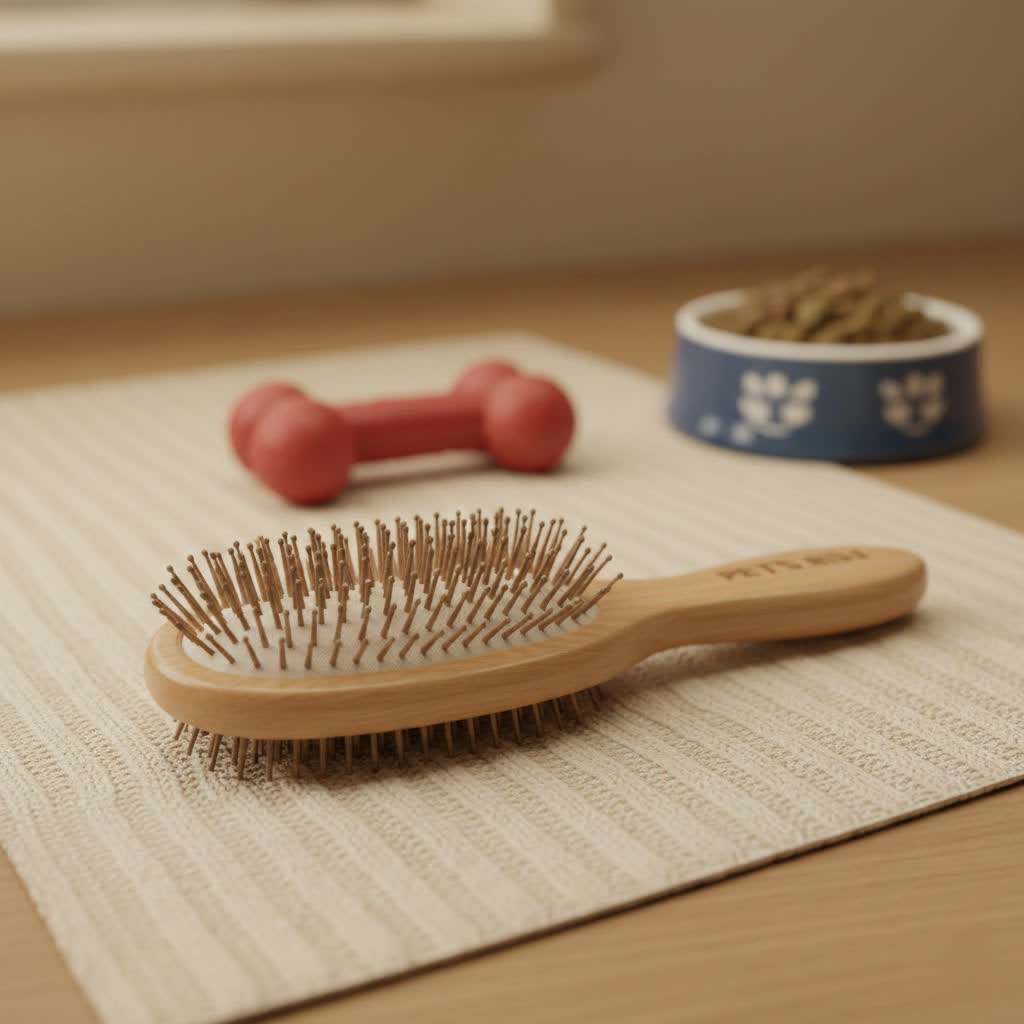
Dyeing your hair at home demands precision and the right tools. A high-quality hair color brush is an indispensable instrument that can transform your hair coloring experience from messy and uneven to professional and flawless. For anyone aiming to achieve vibrant, consistently colored hair, understanding and utilizing the best hair color brushes is the first step toward unlocking stunning results, ensuring uniform distribution of product and preventing patchy or streaky outcomes.
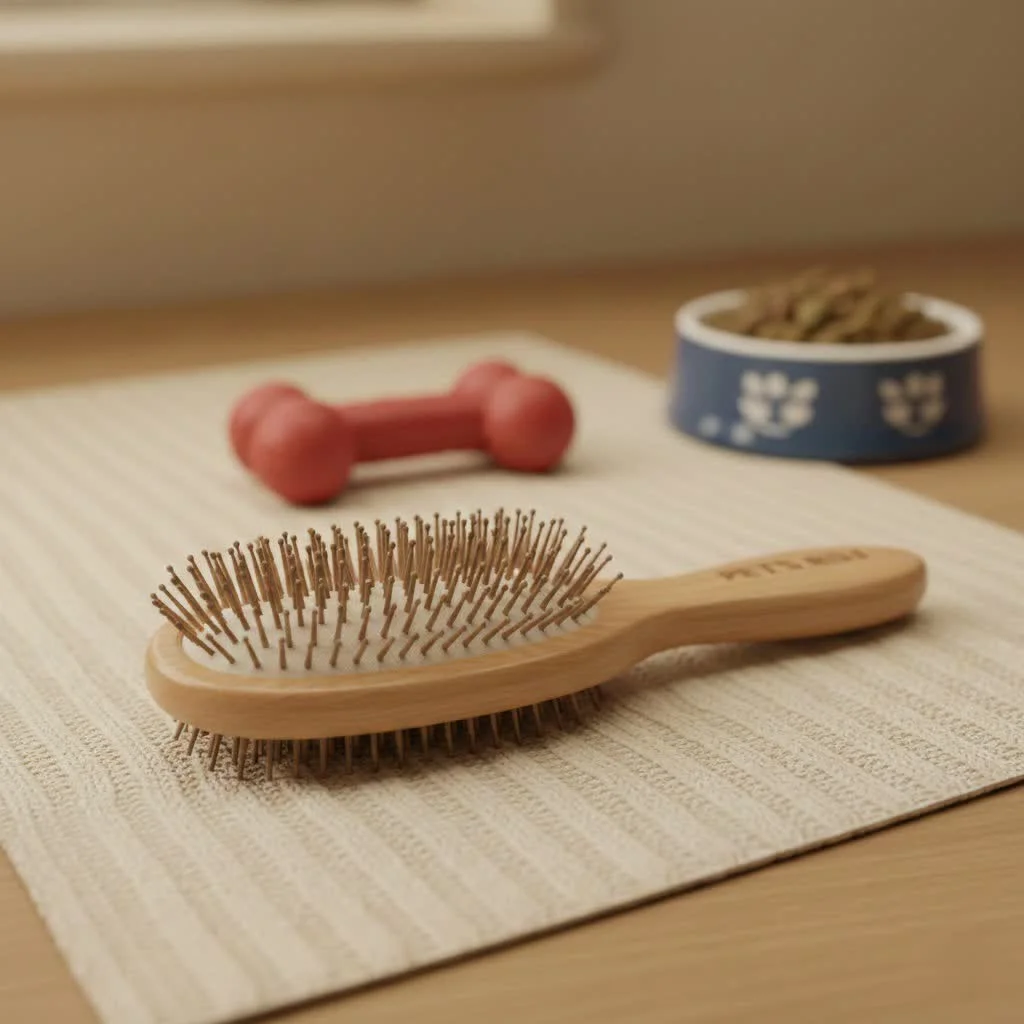
What is a Hair Color Brush? Why You Need a Good One
A hair color brush, often referred to as a tint brush or dye applicator brush, is a specialized tool designed for applying hair dye, bleach, toners, and other coloring products precisely and evenly to the hair. While it might seem like a minor detail, the brush plays a critical role in the overall outcome of your hair color application. Historically, hair coloring has evolved from rudimentary techniques to sophisticated methods requiring specific tools to achieve desired effects like highlights, balayage, or an even all-over color. For compare top hair brush on this site.
Using a good hair color brush ensures uniform distribution of product, preventing patchy or streaky results. It allows for controlled application, which is crucial for intricate techniques or when touching up roots without overlapping previously colored hair. A well-designed brush can make the process cleaner, more efficient, and significantly reduce the common frustrations associated with at-home hair dyeing. It’s about precision, consistency, and ultimately, the health and beauty of your hair.
Types of Hair Color Brushes and Their Uses
The world of hair color brushes is diverse, with various shapes, sizes, and bristle types designed for specific coloring techniques and hair needs. Choosing the right brush depends heavily on the type of application you’re performing.
- Flat Brushes: These are the most common and versatile hair color brushes. They feature a flat, broad head, making them ideal for applying all-over color, root touch-ups, or broad strokes of dye. They ensure quick and efficient coverage across larger sections of hair.
- Angled Brushes: Distinguished by their slanted bristles, angled brushes are perfect for precision work. They allow for creating dimension, feathering color, and executing detailed techniques such as highlights, lowlights, or intricate color placement along the hairline.
- Round Brushes: While less common for general application, round brushes are excellent for blending colors and creating soft, seamless transitions, especially useful in techniques like balayage where a diffused look is desired.
- Wide and Extra-Wide Brushes: These brushes boast a significantly larger surface area, allowing colorists to cover extensive sections of hair rapidly. They are particularly effective for long or thick hair and for achieving full-head applications efficiently.
- Pintail or Rattail Combs: Often featuring a brush on one end and a long, thin “pintail” on the other, these tools are essential for sectioning hair with extreme precision before applying color. The tail allows for clean partings and separating thin strands, while the brush end applies the product.
Bristle Materials, Stiffness, and Density
|
Our Picks for the Best Hair Brush in 2026
As an Amazon Associate I earn from qualifying purchases.
|
||
| Num | Product | Action |
|---|---|---|
| 1 | Hair Brush Boar Bristle Hairbrush for Thick Curly Thin Long Short Wet or Dry Hair Adds Shine and Makes Hair Smooth, Best Paddle Hair Brush for Men Women Kids |

|
| 2 | Wet Brush Original Detangler Hair Brush, Amazon Exclusive Purple - Ultra-Soft IntelliFlex Bristles - Detangling Hairbrush Glides Through Tangles For Wet, Dry & Damaged Hair - Women, & Men |
|
| 3 | Wet Brush Original Detangler Hair Brush, Black Frost - Ultra-Soft IntelliFlex Bristles - Detangling Brush Glides Through Tangles For All Hair Types (Wet Dry & Damaged Hair) - Women & Men |
|
| 4 | 10 Pack Natural Bamboo Hair Brushes, Wooden Paddle Scalp Massage Brush with Round-Tipped Bristles for Stimulating Hair Growth, Anti-Static Detangling for Women, Men |
|
| 5 | Tangle Teezer Ultimate Detangler Brush for Wet & Dry Hair, Eliminates Knots & Reduces Breakage for All Hair Types, Millennial Pink |
|
| 6 | Wet Brush Detangling Brush, Original Detangler Brush (Sky) - Wet & Dry Tangle-Free Hair Brush for Women & Men - No Tangle Soft & Flexible Bristles for Straight, Curly, & Thick Hair |
|
| 7 | Conair Detangling Hair Brush Set 3 Pack, For Wet, Dry and All Hair Types, Detangling Brushes for Women in Blue, Pink, and Gray |
|
| 8 | GAINWELL Bamboo Hair Brush for Hair Growth, Natural Bamboo Bristles Detangling Wooden Paddle Hairbrush for Massaging Scalp, for Women Men and Kids, for All Hair Types, with Ergonomic Handle |
|
| 9 | Medium Round Brushing Brush - Ceramic Hair Brush for a Smooth Salon Style Look - Professional Brushing Brush Ideal for All Hair Types - 43 mm |
|
| 10 | Kitsch Detangler Brush – Flexible Curly Hair Brush for Women, Men & Kids - Detangling Hairbrush with Bendable Frame and Ultra-Smooth Bristles for Wet or Dry Strands - Soft Violet |
|
Beyond shape, the characteristics of a brush’s bristles significantly impact performance:
- Bristle Materials:
- Synthetic bristles (nylon, polyester) are the most widely used. They are durable, resistant to damage from hair dye chemicals, and easy to clean. Their smooth surface facilitates even dye distribution.
- Natural boar bristles are less common for dye application but offer excellent absorption and a softer feel, suitable for delicate hair or sensitive scalps. However, their porous nature can make cleaning more challenging.
- Bristle Stiffness:
- Firmer bristles offer greater control, making them ideal for precise applications like highlights or root touch-ups.
- Softer bristles provide a gentler touch, suitable for all-over color application or individuals with sensitive scalps.
- Bristle Density:
- Denser bristles hold more dye, allowing for broader strokes and effective saturation.
- Sparser bristles provide lighter coverage and often greater control for delicate blending.
Detailed Comparison of Hair Color Brush Types
Understanding the nuances between different brushes can significantly impact your coloring success. Here’s a detailed comparison:
| Type of Brush | Key Shape/Feature | Primary Use | Ideal Bristle Type | Pros | Cons |
|---|---|---|---|---|---|
| Flat Brush | Wide, uniform bristles | All-over color, root touch-ups, broad application | Synthetic (nylon) | Versatile, good for quick, even coverage | Less precision for intricate details |
| Angled Brush | Bristles cut at an angle | Highlights, lowlights, precise placement, feathering | Synthetic (fine, firm) | Excellent for detailed work, creating dimension | Not ideal for large sections of hair |
| Round Brush | Rounded bristle head | Blending, creating soft transitions (e.g., balayage) | Synthetic (soft to medium) | Achieves diffused, natural-looking results | Less effective for solid, uniform application |
| Wide/XL Brush | Extra-large, flat head | Full-head application, long/thick hair | Synthetic (medium to firm) | Covers large areas quickly, efficient | Can lack precision for smaller sections |
| Pintail Brush | Brush on one end, thin pointed handle on other | Sectioning hair, precise application to roots | Synthetic (firm, fine) | Dual-purpose, great for precise partings and targeting | Limited to small application areas due to brush size |
Choosing the Right Hair Color Brush for Your Hair Type and Technique
Selecting the perfect hair color brush is akin to an artist choosing their paintbrushes; the right tool can make all the difference. Your hair type, length, and the specific coloring technique you intend to use are all crucial factors.
- For All-Over Color Application: If you’re applying a single color from roots to ends, a flat brush with medium to firm synthetic bristles is typically the best choice. For longer or thicker hair, consider a wide flat brush to speed up the process and ensure even saturation.
- For Highlights, Balayage, or Ombre: These techniques demand precision and blending. An angled brush with fine, firm bristles is excellent for precise color placement and creating clean lines for highlights. For seamless blending in balayage, a round brush or a feather-bristle brush can help diffuse the color.
- For Root Touch-Ups: To accurately apply color to new growth without overlapping previously colored hair, a smaller flat brush or an angled brush provides the necessary control. The pointed handle of a pintail brush is invaluable for creating clean sections.
- For Sensitive Scalps: Opt for brushes with softer synthetic bristles to minimize irritation during application. Ensure the bristles are flexible enough to glide smoothly without scratching the scalp.
- For Fine Hair: Brushes with softer bristles and medium density can prevent unnecessary pulling or damage. A delicate approach is key.
- For Thick or Coarse Hair: Firmer, denser bristles on flat or wide brushes will help ensure the color penetrates and saturates all strands evenly.
How to Use a Hair Color Brush Correctly for Healthy Hair
Proper application technique is just as important as the brush itself. Following these steps can help you achieve healthy, vibrant results:
- Preparation is Key: Always mix your hair dye or bleach according to the manufacturer’s instructions in a non-metallic bowl, aiming for a creamy, lump-free consistency.
- Section Your Hair: Using the pointed end of a hair color brush or a pintail comb, divide your hair into manageable sections. Professional stylists often work with four main sections (front, back, and two sides), further subdividing into thin strands as needed. This allows for systematic and thorough application.
- Load the Brush: Dip the brush into the mixed color, ensuring it’s adequately coated but not dripping. Too much product can lead to uneven application, while too little can cause patchy results.
- Apply with Precision:
- For root touch-ups, apply color directly to the new growth, working from section to section. Use the brush to gently spread the color, ensuring even saturation at the roots.
- For all-over color, start at the roots and work your way down to the ends, ensuring each strand is thoroughly coated.
- For highlights or balayage, use the angled brush to paint the color onto specific strands, utilizing feathering motions for softer transitions.
- Even Distribution: After applying, use the brush to gently comb through the section (if appropriate for the dye type and technique) to ensure the color is evenly distributed from roots to ends.
- Clean Your Brushes: Immediately after use, thoroughly rinse your hair color brushes with warm water until all traces of dye are removed. Gently reshape the bristles and lay them flat or hang them upside down to dry. Proper cleaning and maintenance will extend the life of your brushes and prevent chemical buildup.
> “The secret to a flawless hair color application isn’t just the dye itself, but the deliberate choice and masterful use of the right brush. It’s the precision instrument that dictates your canvas.” – Admin, reviewpinjol.com
Where to Buy Hair Color Brushes? Price Considerations
Hair color brushes are widely available, catering to both professional stylists and at-home users. You can find them at:
- Online Retailers: Major e-commerce platforms like Amazon, Sally Beauty Supply, or specialty beauty sites often carry a vast selection of individual brushes and brush sets from various brands.
- Professional Salon Supply Stores: Stores like Cosmoprof or SalonCentric offer high-quality, professional-grade brushes that are durable and designed for frequent use. Many are now accessible to the public.
- Drugstores and Supermarkets: For basic at-home coloring kits, you might find simple tint brushes included or sold separately in the beauty aisle.
Price Range: The cost of hair color brushes can vary significantly.
- Basic brushes: A single basic synthetic brush might range from $2 to $10.
- Mid-range brushes: Higher quality individual brushes or small sets from reputable brands typically cost between $10 and $30.
- Professional sets: Comprehensive kits designed for salon use, featuring a variety of brush types, sizes, and perhaps specialized tools, can range from $30 to $100 or more.
Investing in a good quality brush, especially if you color your hair regularly, is worthwhile for better results and longevity.
Buying Guide: Essential Considerations for Your Next Hair Color Brush
When you’re ready to invest in a new hair color brush, keep these critical factors in mind to ensure you make the best choice for your needs:
- Material: Prioritize brushes with synthetic bristles (nylon or polyester) as they are durable, chemical-resistant, and easy to clean. They also ensure smooth and even dye application.
- Shape: Choose the brush shape that aligns with your primary coloring goals.
- Flat brushes for all-over color.
- Angled brushes for precision and highlights.
- Round brushes for blending.
- Consider a pintail brush for accurate sectioning.
- Size: The size should match the length and density of your hair, as well as the detail required for the technique. Smaller brushes offer more control for short hair or intricate work, while larger brushes are efficient for long hair or full-head applications.
- Handle Design: Look for an ergonomic handle that offers a comfortable, firm grip. A well-designed handle reduces hand fatigue during longer coloring sessions, crucial for maintaining control and precision.
- Durability and Quality: A good quality brush should be resilient to chemicals, easy to clean, and built to last. Check for bristles that are securely fastened and don’t shed easily.
- Brand Reputation: Opt for reputable brands known for producing professional-grade hair tools. Brands like Colortrak are often favored by professionals for their quality and range of specialized brushes.
Conclusion
The hair color brush, though often overlooked, is a powerhouse tool in achieving professional and beautiful hair coloring results, whether you’re at home or in the salon. From ensuring even color distribution to enabling intricate highlighting techniques, the right brush makes all the difference. By understanding the various types, bristle materials, and ergonomic designs available, you can confidently select the perfect arsenal for your hair coloring adventures. Investing in quality tools, and knowing how to use and care for them, is an investment in your hair’s health and aesthetic appeal. So, what hair color transformation will you embark on next with your perfectly chosen brush?
Frequently Asked Questions
What kind of brush do you use to dye hair?
You typically use specialized hair color brushes, also known as tint brushes or dye applicator brushes. These come in various shapes like flat, angled, and round, with synthetic bristles designed to resist chemicals and apply hair dye, bleach, or toner precisely and evenly.
Can I use a regular brush for hair dye?
While technically possible, it’s not recommended to use a regular hairbrush for hair dye. Regular brushes are not designed to withstand harsh coloring chemicals, may absorb too much product unevenly, and lack the specific bristle types and shapes (like angled tips or pintails) needed for precise application and sectioning.
How do you clean hair dye brushes?
To clean hair dye brushes, rinse them immediately after use under warm water, gently massaging the bristles to remove all traces of dye. You can use a mild soap if needed. Reshape the bristles while wet, then lay the brush flat or hang it with bristles down to dry completely, preventing water from pooling in the ferrule and damaging the brush.
What is a balayage brush?
A balayage brush is a type of hair color brush, often with a rounded or slightly angled head and softer, flexible bristles, specifically designed to create soft, blended, and natural-looking highlights. It helps achieve a hand-painted effect, allowing for seamless transitions and diffused color application.
What is the best brush for root touch-ups?
For root touch-ups, a small flat brush or an angled brush is ideal because they provide the necessary control to apply color precisely to new growth without overlapping previously colored hair. A pintail brush is also invaluable for creating clean sections.
How much do professional hair color brushes cost?
Professional hair color brushes vary in price, with basic synthetic brushes costing $2-$10, mid-range individual brushes or small sets $10-$30, and comprehensive professional kits ranging from $30 to $100 or more, depending on the variety and specialized tools included.
Frequently Asked Questions
What kind of brush do you use to dye hair?
You typically use specialized hair color brushes, also known as tint brushes or dye applicator brushes. These come in various shapes like flat, angled, and round, with synthetic bristles designed to resist chemicals and apply hair dye, bleach, or toner precisely and evenly.
Can I use a regular brush for hair dye?
While technically possible, it's not recommended to use a regular hairbrush for hair dye. Regular brushes are not designed to withstand harsh coloring chemicals, may absorb too much product unevenly, and lack the specific bristle types and shapes (like angled tips or pintails) needed for precise application and sectioning.
How do you clean hair dye brushes?
To clean hair dye brushes, rinse them immediately after use under warm water, gently massaging the bristles to remove all traces of dye. You can use a mild soap if needed. Reshape the bristles while wet, then lay the brush flat or hang it with bristles down to dry completely, preventing water from pooling in the ferrule and damaging the brush.
What is a balayage brush?
A balayage brush is a type of hair color brush, often with a rounded or slightly angled head and softer, flexible bristles, specifically designed to create soft, blended, and natural-looking highlights. It helps achieve a hand-painted effect, allowing for seamless transitions and diffused color application.
What is the best brush for root touch-ups?
For root touch-ups, a small flat brush or an angled brush is ideal because they provide the necessary control to apply color precisely to new growth without overlapping previously colored hair. A pintail brush is also invaluable for creating clean sections.
How much do professional hair color brushes cost?
Professional hair color brushes vary in price, with basic synthetic brushes costing $2-$10, mid-range individual brushes or small sets $10-$30, and comprehensive professional kits ranging from $30 to $100 or more, depending on the variety and specialized tools included.
How to Use a Hair Color Brush Correctly
Achieve healthy, vibrant hair color results by following these steps for proper hair color brush application.
Always mix your hair dye or bleach according to the manufacturer's instructions in a non-metallic bowl. Aim for a creamy, lump-free consistency to ensure even application.
Using the pointed end of a hair color brush or a pintail comb, divide your hair into manageable sections. Professional stylists often work with four main sections, further subdividing into thin strands for systematic and thorough application.
Dip the brush into the mixed color, ensuring it's adequately coated but not dripping. Too much product can lead to uneven application, while too little can cause patchy results.
For root touch-ups, apply color directly to new growth. For all-over color, start at the roots and work down to the ends. For highlights or balayage, use an angled brush with feathering motions for softer transitions.
Immediately after use, thoroughly rinse your hair color brushes with warm water until all traces of dye are removed. Gently reshape the bristles and lay them flat or hang them upside down to dry, extending their life and preventing chemical buildup.
Get our weekly buyer guide
Practical specs, not advice. Unsubscribe anytime.

Seriously, if you’re still using your hands or a comb to apply hair dye, stop! Getting a good quality hair color brush, especially one with a good grip, has completely transformed my home coloring experience. No more messy hands or uneven patches. It makes applying bleach so much safer and more controlled, which is a huge relief for someone who’s prone to making a mess.
I picked up a fine-bristle brush for detailed highlights, hoping to get a more salon-quality look. While it did help with precision, I found the bristles a bit too soft for really thick hair like mine. It took a lot longer to saturate the strands properly, and I felt like I was using more product than necessary. It’s okay for touch-ups, but not ideal for a full head of highlights.
I used to just squeeze dye straight from the bottle, and my roots were always a mess. After reading about the different types, I got a classic tint brush with a pointed handle for sectioning, and it made such a difference! My at-home balayage looks so much more natural now, and I don’t have those weird splotches anymore. Definitely a game-changer for even distribution.
I’ve been coloring my hair for years, and I always thought a brush was a brush. But after trying a wider paddle brush for my all-over color application, I noticed how much faster and more evenly I could get the product on. It really helps with preventing those streaky outcomes, especially when I’m trying to cover grays quickly. My only minor complaint is that it’s a little harder to clean thoroughly.