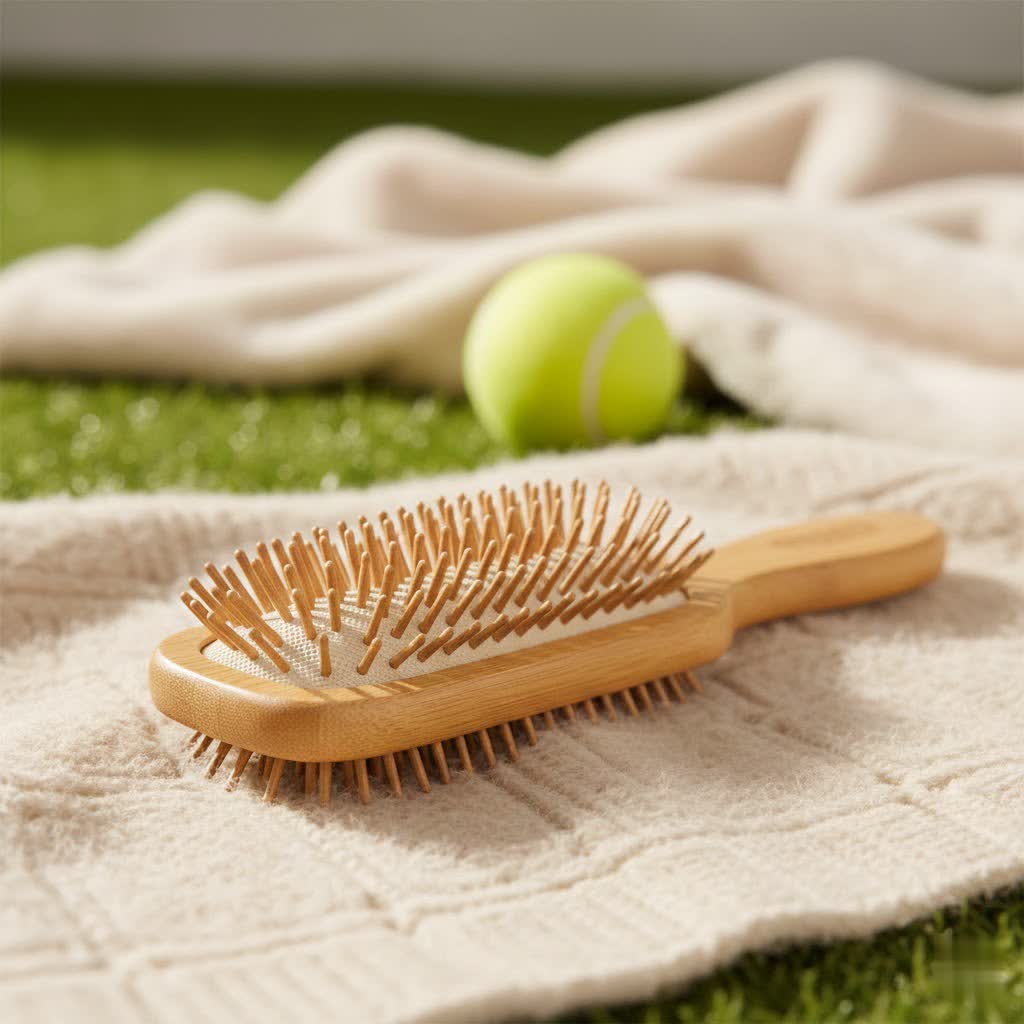
For individuals with thick hair, selecting the right hair brush is crucial for effective detangling, styling, and maintaining overall hair health. The ideal brush minimizes breakage, distributes natural oils, and helps achieve desired styles without excessive effort. Brushes specifically designed for thick hair, such as paddle brushes, detangling brushes, and mixed bristle brushes, feature sturdy, widely-spaced bristles that can penetrate dense strands without snagging or pulling, transforming daily hair care from a challenge into a smoother process.
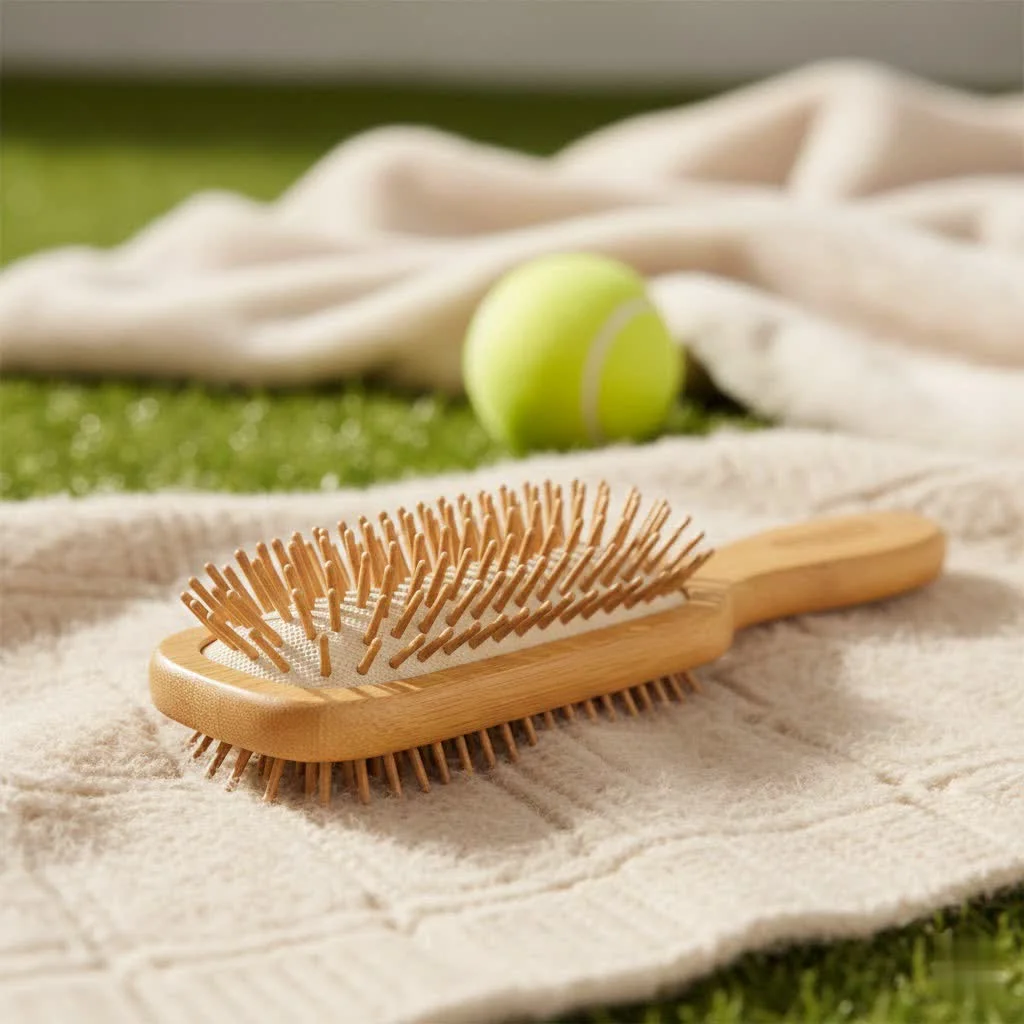
What is a Hair Brush and Why a Good One Matters for Thick Hair?
A hair brush is a tool designed to smooth, detangle, and style hair. For individuals with thick hair, a high-quality brush is essential for maintaining hair health and aesthetic appeal. Dense strands require brushes with specific bristle types, spacing, and construction to effectively penetrate, detangle without damage, distribute natural oils from scalp to ends, and prevent breakage. Using an unsuitable brush can lead to frustration, increased frizz, and even long-term damage.
Common Hair Brush Types for Thick Hair and Their Uses
Understanding the key brush types suited for thick hair will simplify your choice. Each brush serves a distinct purpose, designed to tackle the unique characteristics of dense strands.
- Paddle Brush: Recognized by its wide, flat, rectangular base, the paddle brush is excellent for thick hair. Its large surface area covers significant sections, making it ideal for rapid detangling and smoothing, especially when drying or straightening. Paddle brushes with sturdy nylon bristles are particularly effective at working through dense hair without getting stuck.
- Detangling Brush: Specifically engineered to tackle knots and snags, detangling brushes typically feature flexible, widely-spaced bristles that gently bend and glide through tangles. These are indispensable for thick hair, particularly when wet or damp, as they minimize pulling and breakage, preserving hair integrity. Look for designs with soft, curved paddles and heat-resistant bristles.
- Mixed Bristle Brush (Boar & Nylon): Combining natural boar bristles and synthetic nylon pins, these brushes distribute the scalp’s natural oils (sebum) down the hair shaft, adding shine and conditioning. The longer, sturdier nylon pins penetrate thick hair to detangle and stimulate the scalp. This combination is superb for achieving a polished, frizz-free look while promoting overall hair health.
- Round Brush: Essential for blow-drying and styling, a round brush helps create volume, waves, and curls. For thick hair, opt for a larger barrel round brush with sturdy, often vented bristles that allow for airflow, speeding up drying time and providing better control over larger sections of hair. The bristles should be strong enough to grip thick hair without snagging.
Detailed Comparison Table: Choosing Your Thick Hair Brush
|
Our Picks for the Best Hair Brush in 2026
As an Amazon Associate I earn from qualifying purchases.
|
||
| Num | Product | Action |
|---|---|---|
| 1 | Medium Round Brushing Brush - Ceramic Hair Brush for a Smooth Salon Style Look - Professional Brushing Brush Ideal for All Hair Types - 43 mm |

|
| 2 | Kitsch Detangler Brush – Flexible Curly Hair Brush for Women, Men & Kids - Detangling Hairbrush with Bendable Frame and Ultra-Smooth Bristles for Wet or Dry Strands - Soft Violet |
|
| 3 | Wet Brush Detangling Brush, Original Detangler Brush (Sky) - Wet & Dry Tangle-Free Hair Brush for Women & Men - No Tangle Soft & Flexible Bristles for Straight, Curly, & Thick Hair |
|
| 4 | Hair Brush Boar Bristle Hairbrush for Thick Curly Thin Long Short Wet or Dry Hair Adds Shine and Makes Hair Smooth, Best Paddle Hair Brush for Men Women Kids |
|
| 5 | Tangle Teezer Ultimate Detangler Brush for Wet & Dry Hair, Eliminates Knots & Reduces Breakage for All Hair Types, Millennial Pink |
|
| 6 | GAINWELL Bamboo Hair Brush for Hair Growth, Natural Bamboo Bristles Detangling Wooden Paddle Hairbrush for Massaging Scalp, for Women Men and Kids, for All Hair Types, with Ergonomic Handle |
|
| 7 | Wet Brush Original Detangler Hair Brush, Black Frost - Ultra-Soft IntelliFlex Bristles - Detangling Brush Glides Through Tangles For All Hair Types (Wet Dry & Damaged Hair) - Women & Men |
|
| 8 | Conair Detangling Hair Brush Set 3 Pack, For Wet, Dry and All Hair Types, Detangling Brushes for Women in Blue, Pink, and Gray |
|
| 9 | Wet Brush Original Detangler Hair Brush, Amazon Exclusive Purple - Ultra-Soft IntelliFlex Bristles - Detangling Hairbrush Glides Through Tangles For Wet, Dry & Damaged Hair - Women, & Men |
|
| 10 | 10 Pack Natural Bamboo Hair Brushes, Wooden Paddle Scalp Massage Brush with Round-Tipped Bristles for Stimulating Hair Growth, Anti-Static Detangling for Women, Men |
|
| Type | Bristle Material | Best For | Pros | Cons |
|---|---|---|---|---|
| Paddle | Nylon, Mixed Boar/Nylon | Everyday detangling, straightening | Covers large sections efficiently, sturdy for dense hair | Less suitable for intricate styling or extreme volume |
| Detangling | Flexible Nylon | Wet or damp detangling, sensitive scalps | Gentle on knots, prevents breakage, glides through hair | Not designed for styling, can be less effective on dry hair |
| Mixed (Boar/Nylon) | Boar & Nylon | Smoothing, shine, general detangling, scalp health | Distributes oils, adds shine, penetrates thick hair effectively | Can be more expensive, requires regular cleaning |
| Round | Sturdy, Vented (Nylon, Ceramic) | Blow-drying, volume, waves, curls | Creates shape and volume, speeds up drying with vents | Requires technique, not ideal for daily detangling |
How to Choose the Right Hair Brush for Your Thick Hair
Selecting the ideal hair brush requires a personalized approach, considering your specific hair texture, concerns, and styling goals.
Hair Type Specifics:
- Thick, Straight Hair: A large paddle brush with sturdy nylon or mixed bristles is ideal for daily detangling and creating smooth, straight styles. The wide base efficiently manages large sections, minimizing static.
- Thick, Wavy or Curly Hair: Flexible detangling brushes with widely-spaced nylon bristles are crucial for preserving curl patterns and preventing breakage. A mixed bristle brush can also be beneficial for smoothing and adding shine without disrupting natural texture. Ouidad stylist Malwina Augustyn notes, “Flexible nylon brushes are recommended for coiled hair types because they can bend, stretch, and glide through knots without tugging or breaking strands.”
- Thick, Coarse Hair: Nylon bristles are particularly effective for coarse hair as they provide the necessary control and power to penetrate dense strands and effectively detangle. Mixed boar and nylon brushes also work well to condition and add shine while managing unruly texture.
- Thick Hair with Oily Scalp and Dry Ends: A mixed boar and nylon brush is excellent for this concern. The boar bristles help distribute natural oils from your scalp down to your drier ends, providing natural conditioning and reducing greasiness at the roots.
Bristle Material Deep Dive:
- Nylon Bristles: These are strong, durable, and firm enough to penetrate thick, dense hair to reach the scalp and work through tangles effectively. They are less prone to static than plastic and come in various flexibility levels.
- Boar Bristles: While excellent for distributing natural oils and adding shine to finer hair, pure boar bristles may struggle to penetrate truly thick hair all the way to the scalp. For thick hair, they are often best when combined with nylon bristles to ensure effective detangling.
- Mixed Bristles: The combination of boar and nylon bristles provides the best of both worlds: the detangling power of nylon and the smoothing, shine-enhancing benefits of boar. The density and spacing of these bristles are critical; loosely spaced bristles are best for detangling, while denser ones are for smoothing.
Brush Shape and Size:
- A large, flat paddle brush is indispensable for thick hair due to its ability to cover more surface area, reducing brushing time and effort.
- Round brushes should have a larger barrel for blow-drying long, thick hair, offering better control and creating more voluminous styles.
Proper Brushing Techniques for Healthy Thick Hair
Even the best hair brush can cause damage if not used correctly. Mastering the right technique is vital, especially for thick hair, which is prone to tangles and breakage.
- Start from the Ends, Work Your Way Up: This is the most crucial rule for thick hair. Begin by gently brushing the very ends of your hair, working to remove any tangles. Once the ends are smooth, move a few inches up and brush downwards, gradually progressing towards the roots. This method minimizes pulling and prevents small tangles from becoming larger, more painful knots.
- Be Gentle: Avoid aggressive tugging or yanking, especially when encountering knots. If you hit a snag, stop, gently separate the hair with your fingers, and try brushing again with softer strokes. Patience is key to preventing breakage.
- Brush Dry or Damp (with care): Wet hair is more fragile and susceptible to stretching and breakage. For detangling wet thick hair, always apply a leave-in conditioner or detangling spray, and use a specialized detangling brush or a wide-tooth comb. For general brushing and styling, dry or slightly damp hair is preferred.
- Brush in Sections: Divide your thick hair into smaller, manageable sections. This allows your brush to effectively penetrate each section and ensures thorough detangling and smoothing.
- Clean Your Brush Regularly: Hair, product residue, and oils accumulate on your brush, reducing its effectiveness and potentially transferring dirt back to your hair. Remove loose hair after each use and wash your brush periodically with mild soap and water.
- Don’t Overbrush: While brushing distributes natural oils and stimulates the scalp, excessive brushing can lead to friction and damage. Two to three gentle brushing sessions a day are typically sufficient.
- Scalp Stimulation: Incorporate gentle brushing motions that stimulate your scalp. This can promote blood circulation, which is beneficial for hair growth and overall scalp health. If using a boar bristle brush, these are particularly good at exfoliating the scalp and pulling natural oils down the hair shaft.
Where to Buy Hair Brushes? Price Range?
Hair brushes for thick hair are widely available, catering to all budgets and preferences. You can find them at:
- Beauty Supply Stores: These stores often have a wide selection and knowledgeable staff who can offer recommendations.
- Drugstores and Supermarkets: A convenient option for more affordable, everyday brushes.
- Department Stores: Higher-end brands and professional-grade brushes are typically found here.
- Online Retailers: Websites like Amazon, Ulta, Sephora, and specialized beauty e-commerce sites offer an extensive range, often with customer reviews that can guide your decision. Many professional hair care brands also sell directly through their websites.
Price Considerations: The price of hair brushes can vary significantly. Basic paddle or detangling brushes can start from $10-$20, while professional-grade mixed bristle or ergonomic designs can range from $30-$70 or more. Investing in a higher-quality brush often means better materials, durability, and ultimately, better results for your thick hair.
Buying Guide: Important Considerations When Buying a Hair Brush
Making an informed decision about your next hair brush involves more than just picking the first one you see. Consider these critical factors:
- Material (Bristles and Handle):
- Bristles: For thick hair, durable and firm bristles, typically nylon or a nylon-boar mix, are essential. Ensure the bristles are strong enough to penetrate your hair but gentle enough not to scratch your scalp.
- Handle: Look for ergonomic handles made from wood, rubber, or high-quality plastic that provide a comfortable, non-slip grip, especially important when working through dense hair.
- Bristle Flexibility and Spacing: This is paramount for thick hair.
- Flexibility: Bristles that have a slight bend or flexibility will move with your hair, minimizing tugging and breakage, particularly for detangling.
- Spacing: Wider-spaced bristles are generally better for detangling thick hair, allowing them to glide through knots more easily. Densely packed bristles are better for smoothing the surface.
- Size and Shape:
- Paddle brushes should be large to cover ample sections of thick hair efficiently.
- Round brushes for blow-drying thick hair benefit from larger barrel sizes to create volume and speed drying.
- Durability and Quality: A well-constructed brush will last longer and perform better. Check for bristles that are securely set and a handle that feels sturdy. Opt for reputable brands known for quality hair tools.
- Purpose: Clarify your primary need. Are you looking for a daily detangler, a styling tool for blowouts, or a brush to enhance shine and scalp health? Your purpose will dictate the best type of brush.
“Many people don’t give much thought to the kind of brush they use. Choosing the right hair brush for your hair can really make a difference in how your hair looks and feels.” – Healthline
Conclusion
Taming thick hair doesn’t have to be a daily struggle. By understanding the unique needs of your dense strands and selecting the right hair brush, you can improve your hair care routine into a more effective and enjoyable experience. Whether it’s the detangling prowess of a paddle brush, the gentle efficiency of a flexible detangler, or the shine-boosting power of a mixed bristle brush, the perfect tool awaits. Invest wisely, adopt proper brushing techniques, and embrace the journey to healthier, more manageable, and beautifully styled thick hair. What changes will you make to your hair brushing routine today to unlock your thick hair’s full potential?
Frequently Asked Questions
Frequently Asked Questions
Should I brush thick hair when it is wet or dry?
It's generally recommended to detangle thick hair when it's damp, not soaking wet, and after applying conditioner or a detangling spray. Wet hair is more fragile and prone to breakage. For dry styling or smoothing, thick hair can be brushed when completely dry, always using a detangling brush or a wide-tooth comb for wet hair to minimize damage.
What is the best brush for thick curly hair?
For thick curly hair, a detangling brush with flexible, widely-spaced nylon bristles is often best. These brushes are designed to glide through curls without snagging or disrupting the curl pattern, reducing frizz and breakage. A mixed boar and nylon bristle brush can also be beneficial for smoothing and adding shine to dry curls.
How often should I brush my thick hair daily?
For thick hair, brushing two to three times a day is generally sufficient. Excessive brushing can cause unnecessary friction and breakage. Focus on detangling gently and distributing natural oils, rather than aiming for a high number of strokes. Listening to your hair and scalp is key to preventing damage.
Can a specific brush help with thick hair tangles?
Absolutely. The right hair brush, specifically a detangling brush with flexible bristles or a paddle brush with sturdy nylon pins, is essential for managing tangles in thick hair. Combined with the correct technique (starting from the ends and working up), these brushes can significantly reduce tangles and prevent breakage by up to 30%.
Are boar bristles effective for very thick hair?
While pure boar bristles are excellent for adding shine and distributing natural oils, they may not effectively penetrate truly thick or dense hair to detangle from the scalp. For thick hair, a mixed boar and nylon bristle brush is often more effective, providing both the detangling power of nylon and the smoothing benefits of boar bristles.
How to Properly Brush Thick Hair
Mastering the right brushing technique is vital for thick hair to prevent tangles and breakage, ensuring healthier and more manageable strands.
Begin by gently brushing the very ends of your hair, working to remove any tangles. Once the ends are smooth, move a few inches up and brush downwards, gradually progressing towards the roots. This method minimizes pulling and prevents small tangles from becoming larger, more painful knots.
Avoid aggressive tugging or yanking, especially when encountering knots. If you hit a snag, stop, gently separate the hair with your fingers, and try brushing again with softer strokes. Patience is key to preventing breakage and maintaining hair integrity.
Wet hair is more fragile and susceptible to stretching and breakage. For detangling wet thick hair, always apply a leave-in conditioner or detangling spray, and use a specialized detangling brush or a wide-tooth comb. For general brushing and styling, dry or slightly damp hair is preferred.
Divide your thick hair into smaller, manageable sections. This allows your brush to effectively penetrate each section and ensures thorough detangling and smoothing. Sectioning helps prevent missed spots and reduces overall brushing time.
Hair, product residue, and oils accumulate on your brush, reducing its effectiveness and potentially transferring dirt back to your hair. Remove loose hair after each use and wash your brush periodically with mild soap and water to maintain hygiene and performance.
Get our weekly buyer guide
Practical specs, not advice. Unsubscribe anytime.

My detangling brush has been a game-changer for my thick, curly hair. Before, it was a nightmare to get all the knots out, but with the widely-spaced bristles, it glides through much better. I appreciate the focus on brushes that minimize snagging, because that’s always been my biggest issue.
I’ve always struggled with finding a brush that can actually get through my super thick hair without pulling or breaking it. The recommendation for a paddle brush in the guide was spot on! It makes detangling after a shower so much easier and less painful. My hair feels smoother and I’m seeing way less breakage now.
Seriously, if you have thick hair, you NEED a brush designed for it. I used to just grab whatever, but after reading about how important sturdy bristles are, I invested in a good quality one. It’s amazing how much difference it makes in styling and just general hair health. No more fighting with my hair every morning!
I tried one of the mixed bristle brushes mentioned, hoping it would help with distributing oils. While it does feel nice on my scalp and makes my hair shiny, I found it still struggled a bit with really dense sections of my hair. It’s good for finishing, but not my go-to for initial detangling.