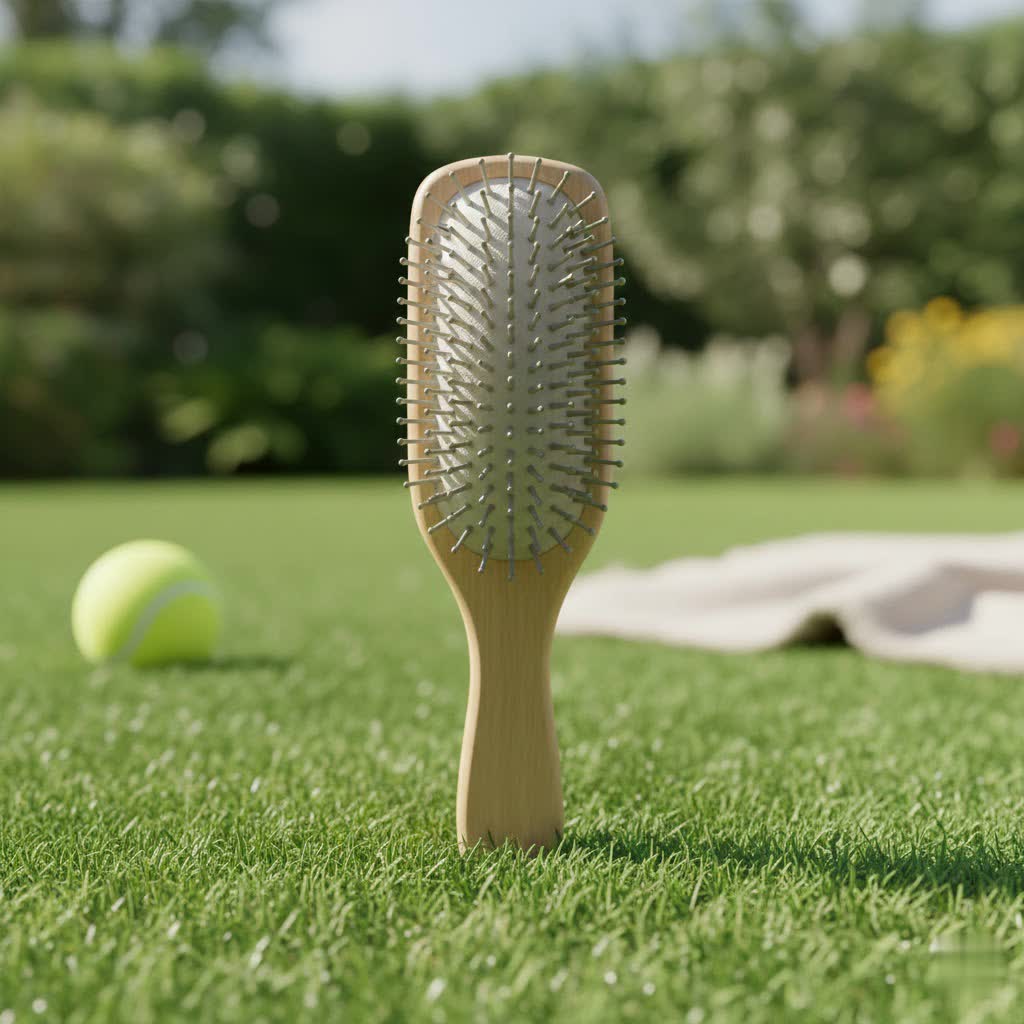
For individuals with curly hair, the wet brush is an essential tool designed to detangle strands gently, minimizing frizz and breakage. Its ultra-flexible bristles, often featuring IntelliFlex™ technology, glide through wet hair without pulling or tugging, making it ideal for distributing products and preserving curl definition. Brushing curly hair when wet is crucial because wet hair is more flexible and elastic, reducing the risk of damage.

Curly hair, with its intricate spiral shape, requires a distinct approach to maintenance compared to straight hair. Each bend and coil creates potential points of weakness, making it highly susceptible to damage and frizz if handled incorrectly. Brushing dry curly hair can disrupt its natural pattern, leading to a halo of frizz and unwanted breakage. This is where the wet brush steps in, transforming what was once a daunting task into a smooth, pain-free experience. For see our hair brush recommendations on this site.
What is a Wet Brush and Why is it Essential for Curly Hair?
A wet brush is a specialized detangling tool engineered with ultra-flexible bristles, often featuring IntelliFlex™ technology, designed to glide through wet hair without pulling, tugging, or causing damage. Unlike traditional brushes with rigid bristles that can snag and break delicate wet strands, a wet brush’s pliable design flexes around knots, gently separating them.
The essence of a successful curly hair care routine lies in moisture. Brushing curly hair when it’s wet or damp is widely recommended by experts to preserve curl definition and minimize frizz. Wet hair is considerably more flexible and elastic than dry hair. This increased pliability allows for easier detangling, significantly reducing the risk of breakage that often accompanies brushing dry, tangled curls. When used with conditioner or a detangling spray, a wet brush helps to evenly distribute products, ensuring every strand is coated, leading to better curl clumping and a smoother finish.
Key Benefits of Using a Wet Brush on Curly Hair
Embracing a wet brush in your curly hair regimen offers a multitude of advantages:
- Gentle Detangling: The primary benefit is its ability to detangle knots and snags with minimal force. The flexible bristles bend with the hair rather than pulling on it, making the process less painful and more efficient.
- Minimizing Frizz and Enhancing Curl Definition: Brushing dry curly hair disrupts the curl pattern, leading to frizz. Wet brushing, particularly when hair is saturated with water and conditioner, helps smooth the hair cuticle, promoting natural curl formation and reducing frizz. It encourages curls to clump together, resulting in more defined and vibrant spirals.
- Optimal Product Distribution: A wet brush excels at distributing conditioners, leave-in treatments, and styling products evenly throughout your hair. This ensures that every strand receives the benefits of your products, leading to better hydration and consistent curl patterns.
- Reduced Breakage and Damage: Wet hair is in its most fragile state, but aggressive brushing can cause significant damage. A wet brush’s gentle action minimizes stretching and snapping of the hair shaft, preventing split ends and long-term thinning.
- Scalp Health and Circulation: While primarily a detangling tool, the gentle massage from the flexible bristles can also stimulate the scalp, promoting blood circulation, which is beneficial for overall hair health.
Types of Brushes for Curly Hair: Wet Brush vs. Other Popular Options
When it comes to brushing curly hair, the market offers several tools, each with unique characteristics. Understanding the differences between a wet brush and other popular options like the Denman brush and wide-tooth comb can help you make an informed choice for your specific needs.
| Type of Brush | Bristle Material & Design | Primary Use | Pros | Cons | Ideal Hair Type/Situation |
|---|---|---|---|---|---|
| Wet Brush | Ultra-flexible IntelliFlex™ bristles, often ball-tipped. | Gentle detangling of wet or damp hair. | Minimizes breakage, reduces pain, excellent for distributing product, lightweight. | Less effective for curl definition/clumping compared to Denman. | All curl types, especially fragile, easily tangled, or bleached hair. Great for product application. |
| Denman Brush | Nylon quill bristles, often without ball tips, set in a rubber pad. | Curl definition, clumping, styling, detangling. | Creates excellent curl definition, reduces frizz, good for brush coiling, can be used on wet or dry hair (though wet is preferred for curls). | Can create too much tension if not used correctly, higher learning curve, can be more expensive. | 2C to 4A curls seeking enhanced definition and clumping. |
| Wide-Tooth Comb | Widely spaced, thick teeth. | Initial detangling, especially for very tangled or fragile hair. | Extremely gentle, prevents large knots from forming, basic and affordable. | Less efficient for thorough detangling or product distribution, does not provide curl definition. | All curl types for initial detangling, particularly very thick or coily hair. |
“For defining curls, the Denman brush is absolutely better than a Wet Brush. The Wet Brush excels at gentle detangling, but it doesn’t define or clump curls like the Denman can. That’s why it’s a staple for salon styling.” – Jennifer Charan, Pro Stylist.
The Wet Brush and the Denman Brush, while both beneficial for curly hair, serve different primary functions. The Wet Brush is a detangling champion, offering a pain-free experience and preventing breakage. The Denman Brush, with its unique bristle arrangement, is renowned for its ability to define and clump curls, making it a styling powerhouse. Many curly-haired individuals find success by incorporating both: using a Wet Brush for initial detangling with conditioner, then a Denman brush to define curls during styling.
How to Master Wet Brushing for Your Curls: A Step-by-Step Guide
To unlock the full potential of your wet brush and achieve beautifully defined, tangle-free curls, follow these essential steps:
- Saturate Your Hair: Begin with hair that is dripping wet, ideally in the shower after applying conditioner. The “slip” provided by water and conditioner is crucial for the brush to glide smoothly without snagging.
- Apply Conditioner Generously: Distribute your favorite conditioner or a detangling spray throughout your hair. This adds a protective layer and further enhances slip, making detangling effortless.
- Section Your Hair: For best results, especially with thicker or longer curls, divide your hair into manageable sections. This allows you to work through each section thoroughly and gently.
- Start from the Ends, Work Your Way Up: Always begin brushing at the very ends of your hair, gently working your way upwards towards the roots. This technique helps to systematically remove tangles without pushing them down and creating larger knots.
- Brush with Intention: Use slow, controlled strokes. If you encounter a stubborn tangle, do not yank the brush. Instead, gently work through it with shorter strokes or use your fingers to loosen it before continuing with the brush.
- Style with Your Wet Brush: Once detangled, you can use your wet brush to help distribute styling products like curl cream or gel. Brush the product through, pulling sections up and away from your head to encourage curl formation and reduce “wet frizz.” For extra definition, some individuals gently twirl sections around the brush handle or their finger.
- Scrunch and Air Dry/Diffuse: After brushing, use styling techniques such as “prayer hands” and scrunching to further encourage curl formation. Allow your hair to air dry or use a diffuser on a low heat setting to minimize frizz and enhance definition. Avoid touching your hair excessively while it dries to keep curl clumps intact.
Choosing the Right Wet Brush for Your Curl Type
While the original Wet Brush is a versatile tool, there are variations designed to cater to different hair needs. If you have particularly thick or coily hair, look for wet brushes with slightly firmer or longer bristles that can effectively navigate through denser textures. Some brands also offer eco-friendly options or brushes infused with conditioning agents. Consider your specific curl pattern (wavy, curly, coily), hair density, and texture when making your selection.
Maintaining Your Wet Brush for Optimal Performance
Just like any hair tool, your wet brush requires regular cleaning to maintain its effectiveness and hygiene. Product buildup and shed hairs can accumulate on the bristles and pad, hindering its performance.
To clean your wet brush:
- Remove any trapped hair from the bristles.
- Gently wash the brush with warm water and a mild shampoo or soap.
- You can use an old toothbrush to scrub away any stubborn product residue.
- Rinse thoroughly and allow it to air dry completely, bristles down, to prevent moisture from collecting in the cushion.
Replace your wet brush when the bristles start to show signs of wear, such as becoming bent, stiff, or losing their original flexibility. A worn-out brush will be less effective at detangling and could potentially cause damage.
Conclusion
For anyone navigating the unique challenges of curly hair, a wet brush is more than just a tool; it’s an indispensable ally. Its innovative design and flexible bristles offer a gentle, pain-free approach to detangling, significantly reducing breakage and frizz while promoting beautiful curl definition. By understanding how to properly use and care for your wet brush, you can improve your hair care routine, ensuring your curls remain healthy, vibrant, and effortlessly beautiful.
Are you ready to embrace the magic of wet brushing and give your curls the care they truly deserve?
Frequently Asked Questions
Can I use a wet brush on dry curly hair?
|
Our Picks for the Best Hair Brush in 2026
As an Amazon Associate I earn from qualifying purchases.
|
||
| Num | Product | Action |
|---|---|---|
| 1 | Hair Brush Boar Bristle Hairbrush for Thick Curly Thin Long Short Wet or Dry Hair Adds Shine and Makes Hair Smooth, Best Paddle Hair Brush for Men Women Kids |

|
| 2 | Wet Brush Detangling Brush, Original Detangler Brush (Sky) - Wet & Dry Tangle-Free Hair Brush for Women & Men - No Tangle Soft & Flexible Bristles for Straight, Curly, & Thick Hair |
|
| 3 | Medium Round Brushing Brush - Ceramic Hair Brush for a Smooth Salon Style Look - Professional Brushing Brush Ideal for All Hair Types - 43 mm |
|
| 4 | Wet Brush Original Detangler Hair Brush, Black Frost - Ultra-Soft IntelliFlex Bristles - Detangling Brush Glides Through Tangles For All Hair Types (Wet Dry & Damaged Hair) - Women & Men |
|
| 5 | Tangle Teezer Ultimate Detangler Brush for Wet & Dry Hair, Eliminates Knots & Reduces Breakage for All Hair Types, Millennial Pink |
|
| 6 | Conair Detangling Hair Brush Set 3 Pack, For Wet, Dry and All Hair Types, Detangling Brushes for Women in Blue, Pink, and Gray |
|
| 7 | 10 Pack Natural Bamboo Hair Brushes, Wooden Paddle Scalp Massage Brush with Round-Tipped Bristles for Stimulating Hair Growth, Anti-Static Detangling for Women, Men |
|
| 8 | GAINWELL Bamboo Hair Brush for Hair Growth, Natural Bamboo Bristles Detangling Wooden Paddle Hairbrush for Massaging Scalp, for Women Men and Kids, for All Hair Types, with Ergonomic Handle |
|
| 9 | Wet Brush Original Detangler Hair Brush, Amazon Exclusive Purple - Ultra-Soft IntelliFlex Bristles - Detangling Hairbrush Glides Through Tangles For Wet, Dry & Damaged Hair - Women, & Men |
|
| 10 | Kitsch Detangler Brush – Flexible Curly Hair Brush for Women, Men & Kids - Detangling Hairbrush with Bendable Frame and Ultra-Smooth Bristles for Wet or Dry Strands - Soft Violet |
|
While a wet brush is specifically designed for wet hair, using it on dry curly hair is generally not recommended. Brushing dry curly hair can disrupt the curl pattern, lead to increased frizz, and cause breakage. For dry detangling, a wide-tooth comb or your fingers, along with a leave-in conditioner or styling cream, are usually better options.
Is a Wet Brush really better than a wide-tooth comb for curly hair?
Both wet brushes and wide-tooth combs are excellent for detangling curly hair. A wide-tooth comb is a classic choice for its gentleness, especially for very tangled or fragile hair. However, a wet brush can offer a more thorough detangling experience with its flexible bristles that glide through hair. Many stylists recommend using a wide-tooth comb for initial detangling, followed by a wet brush for finer knots and product distribution.
How often should I brush my curly hair with a wet brush?
The frequency of wet brushing depends on your individual hair type and routine. Most people with curly hair brush during their wash days, typically every 2-7 days, when their hair is saturated with conditioner. This prevents over-manipulation and helps maintain curl integrity between washes.
What if I have very coily or kinky hair? Is a wet brush still suitable?
Yes, wet brushes can be highly beneficial for coily and kinky hair types (like 3C-4A). The key is to ensure your hair is dripping wet and coated with a good conditioner or detangler to provide ample “slip.” Sectioning your hair into smaller parts and starting from the ends will maximize effectiveness and minimize breakage. Some wet brush variations feature firmer or longer bristles, which can be particularly effective for denser curl patterns.
Get our weekly buyer guide
Practical specs, not advice. Unsubscribe anytime.

I got a wet brush hoping it would be the ultimate solution for my thick, coily hair. While it does a decent job of detangling when my hair is soaking wet, I find that the bristles are a bit too flexible for really getting through some of the tougher knots without a lot of passes. It’s okay, but I was expecting a bit more oomph for distributing thicker products.
I’ve always struggled with detangling my 3C curls after washing, and this guide really helped me understand why brushing wet is so important. The IntelliFlex™ bristles on my new wet brush are a game-changer! It glides through my hair so smoothly, and I’ve noticed way less breakage. My curl definition has also improved since I started using it to distribute my leave-in conditioner.
I picked up a wet brush after reading about how it helps minimize frizz and breakage for curly hair. It definitely works better than my old wide-tooth comb for detangling in the shower. I appreciate how it doesn’t pull on my hair, but I do wish it felt a little more substantial in my hand. Still, it’s a solid tool for my wash day routine.
This brush has completely transformed my hair routine! I used to dread wash days because of the tangles and the frizz that would inevitably follow. Now, using the wet brush on my wet hair, as suggested, makes detangling a breeze. My curls are so much more defined, and I’ve seen a significant reduction in breakage. It truly preserves my curl pattern.