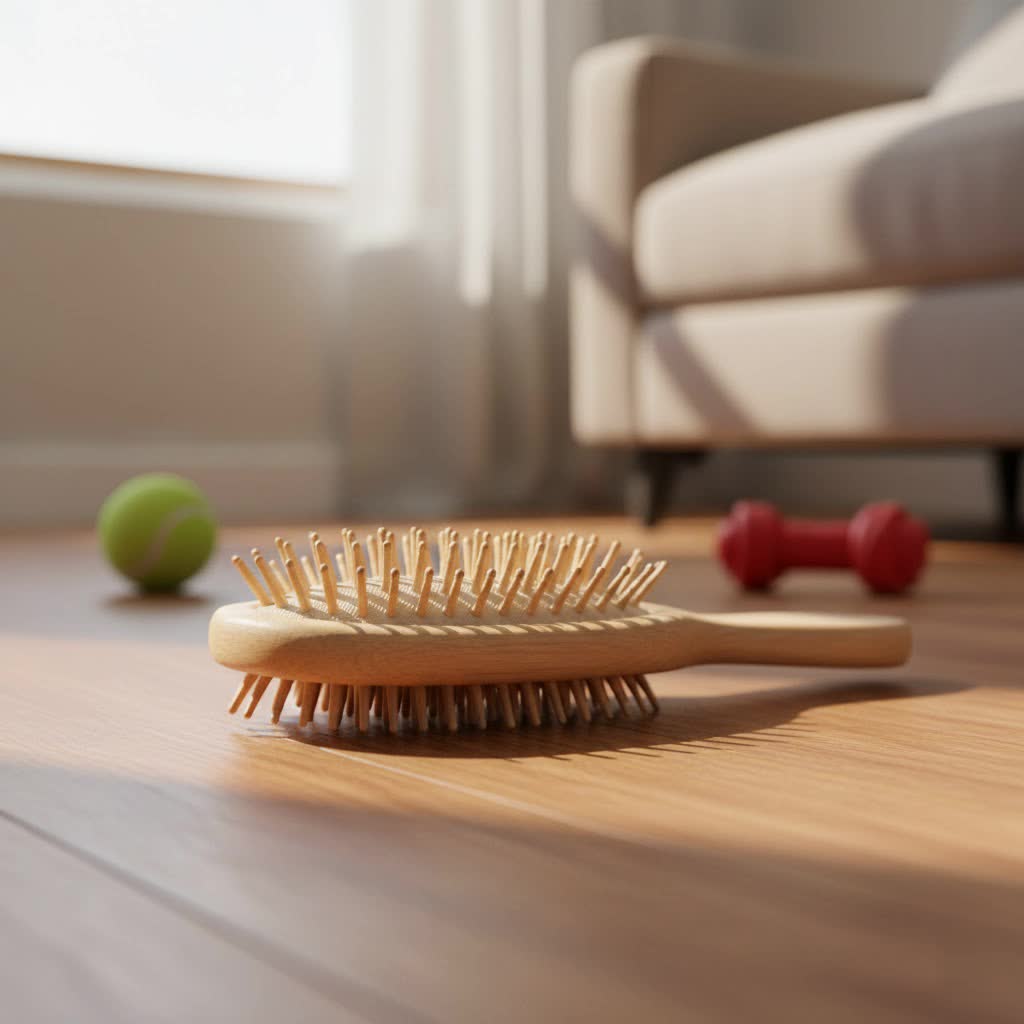
The best hair brush for thick hair effectively manages density, detangles knots, and prevents breakage. Key types include paddle brushes for general detangling, detangling brushes with flexible bristles for knots, and mixed bristle brushes (boar and nylon) for detangling and shine. Selecting the right brush transforms daily hair care from a struggle into an efficient routine, promoting healthier, more manageable, and stunning thick hair.

Understanding Thick Hair: More Than Just Volume
Thick hair is characterized by the large diameter of individual hair strands and the sheer number of hairs on your scalp, creating a dense and often voluminous head of hair. Unlike fine hair, which has a smaller diameter, thick strands are robust and strong. However, this strength often comes with unique challenges. Thick hair is prone to tangling, can be difficult and time-consuming to detangle, and may resist certain styling techniques. Its density can also make it slow to dry, leading to potential frizz if not managed properly. A generic brush simply won’t suffice; a specialized brush is essential to work through the volume effectively without causing damage or discomfort.
Essential Hair Brush Types for Thick Hair
Choosing the right brush type is paramount for managing thick hair. Each style is designed with specific benefits to address the challenges dense tresses present.
- Paddle Brushes: These are often considered the primary choice for thick, long hair due to their wide, flat, and often rectangular surface area. The large head allows you to cover more hair at once, significantly reducing brushing time. Many paddle brushes feature a cushioned base that flexes with your scalp, providing comfort and preventing harsh tugging. They are excellent for general detangling and smoothing.
- Detangling Brushes: Specifically engineered to glide through knots with minimal pulling or breakage, detangling brushes like the Tangle Teezer or Wet Brush are game-changers for thick hair. They feature flexible, widely spaced bristles (often in varying lengths) that gently separate tangles. These are particularly effective on both wet and dry hair, minimizing damage when strands are most vulnerable.
- Wide-Tooth Combs: While not technically a brush, a wide-tooth comb is an indispensable tool for anyone with thick hair, especially for detangling when wet. Wet hair is most fragile and susceptible to breakage, and the wide spacing of the comb’s teeth allows you to gently work through knots without stress.
- Mixed Bristle Brushes (Boar & Nylon): These hybrid brushes offer the best of both worlds. The sturdy nylon bristles are strong enough to penetrate dense hair and detangle effectively, while the natural boar bristles work to distribute your scalp’s natural oils from root to tip. This combination helps to smooth the hair cuticle, add shine, and reduce frizz.
- Vented Brushes: Characterized by their open, “vented” design, these brushes allow air to flow through them freely. This makes them ideal for speeding up blow-drying time, a significant advantage for thick hair that takes longer to dry. They often have stiff nylon bristles to handle dense strands.
- Round Brushes (Ceramic/Thermal): When it comes to styling, a large round brush is excellent for creating volume, waves, or straightening thick hair during a blowout. Ceramic or thermal barrels heat up evenly, helping to set styles faster and reduce frizz. The larger the barrel, the looser the curl or straighter the finish.
Bristle Breakdown: The Key to Effective Brushing
|
Our Picks for the Best Hair Brush in 2026
As an Amazon Associate I earn from qualifying purchases.
|
||
| Num | Product | Action |
|---|---|---|
| 1 | 10 Pack Natural Bamboo Hair Brushes, Wooden Paddle Scalp Massage Brush with Round-Tipped Bristles for Stimulating Hair Growth, Anti-Static Detangling for Women, Men |

|
| 2 | Wet Brush Original Detangler Hair Brush, Black Frost - Ultra-Soft IntelliFlex Bristles - Detangling Brush Glides Through Tangles For All Hair Types (Wet Dry & Damaged Hair) - Women & Men |
|
| 3 | Hair Brush Boar Bristle Hairbrush for Thick Curly Thin Long Short Wet or Dry Hair Adds Shine and Makes Hair Smooth, Best Paddle Hair Brush for Men Women Kids |
|
| 4 | Tangle Teezer Ultimate Detangler Brush for Wet & Dry Hair, Eliminates Knots & Reduces Breakage for All Hair Types, Millennial Pink |
|
| 5 | Wet Brush Detangling Brush, Original Detangler Brush (Sky) - Wet & Dry Tangle-Free Hair Brush for Women & Men - No Tangle Soft & Flexible Bristles for Straight, Curly, & Thick Hair |
|
| 6 | Medium Round Brushing Brush - Ceramic Hair Brush for a Smooth Salon Style Look - Professional Brushing Brush Ideal for All Hair Types - 43 mm |
|
| 7 | Wet Brush Original Detangler Hair Brush, Amazon Exclusive Purple - Ultra-Soft IntelliFlex Bristles - Detangling Hairbrush Glides Through Tangles For Wet, Dry & Damaged Hair - Women, & Men |
|
| 8 | GAINWELL Bamboo Hair Brush for Hair Growth, Natural Bamboo Bristles Detangling Wooden Paddle Hairbrush for Massaging Scalp, for Women Men and Kids, for All Hair Types, with Ergonomic Handle |
|
| 9 | Kitsch Detangler Brush – Flexible Curly Hair Brush for Women, Men & Kids - Detangling Hairbrush with Bendable Frame and Ultra-Smooth Bristles for Wet or Dry Strands - Soft Violet |
|
| 10 | Conair Detangling Hair Brush Set 3 Pack, For Wet, Dry and All Hair Types, Detangling Brushes for Women in Blue, Pink, and Gray |
|
The type of bristles in your hair brush profoundly impacts its performance on thick hair. Understanding their characteristics is crucial for making the best choice.
- Nylon Bristles: These synthetic bristles are a powerhouse for thick, coarse, and curly or coily hair types. Their firmness and resilience allow them to effectively penetrate dense sections, making them excellent for detangling. Nylon bristles are durable and easy to clean, and they help distribute natural oils. However, some purely nylon brushes can occasionally generate static, especially in dry environments.
- Boar Bristles: Derived from natural boar hair, these bristles closely resemble human hair in composition. They are renowned for their ability to distribute natural oils from the scalp along the hair shaft, imparting shine and smoothness while reducing frizz. While ideal for fine-to-medium hair, pure boar bristles might not be rigid enough to penetrate super thick hair effectively for detangling. They shine brightest when mixed with nylon bristles for thick hair.
- Mixed Bristles (Boar & Nylon): This combination is often hailed as the ultimate choice for normal to thick hair. The longer, firmer nylon pins work to detangle and stimulate the scalp, while the shorter, softer boar bristles distribute natural oils and add a polished shine. This synergistic effect ensures both effective detangling and a healthy, glossy finish.
- Other Materials: Bristle tips can also be made from other materials. Plastic tips are common and often found on detangling brushes, designed with rounded ends to be gentle on the scalp. Metal or carbon bristles are sometimes used in heat-resistant styling brushes, providing durability and anti-static properties, particularly useful for thick and wavy hair.
Choosing Your Perfect Match: A Buying Guide for Thick Hair
Selecting the ideal hair brush goes beyond simply identifying your hair as “thick.” Consider these important factors to find your perfect grooming partner:
- Consider Your Hair Type Beyond Thickness: Thick hair can still be straight, wavy, curly, or coily. If your thick hair is also curly, look for brushes with flexible, widely spaced bristles that define curls without causing frizz. If it’s oily, certain materials like wood or boar bristles can help distribute natural oils more effectively. For dry or fragile thick hair, opt for softer, rounded-tip bristles to minimize stress.
- Bristle Strength & Flexibility: For thick hair, bristles must be strong enough to penetrate all layers of your hair down to the scalp without bending or breaking. At the same time, they need a degree of flexibility to prevent tugging and hair breakage. Mixed boar and nylon bristles often strike this balance perfectly.
- Brush Head Size & Shape: A large brush head, such as that found on a paddle brush, is ideal for thick hair as it covers a significant area, making brushing more efficient. Curved brush heads are designed to hug the contours of your scalp, providing a comfortable experience and optimizing contact for detangling and oil distribution.
- Handle Ergonomics: When dealing with thick hair, brushing can be a substantial task. An ergonomic handle that fits comfortably in your hand and provides a good grip is essential to prevent hand fatigue and ensure control, especially when working through tough tangles.
- Material of the Brush: The body of the brush can influence its feel and performance. Wooden brushes are often praised for being more sustainable and less prone to causing static electricity compared to plastic. Ceramic or metal barrels on round brushes are crucial for even heat distribution during styling.
- Wet vs. Dry Use: Some brushes are specifically designed for wet hair detangling, featuring widely spaced, flexible plastic bristles that minimize damage to fragile wet strands. Others are better suited for dry styling or smoothing. Versatile detangling brushes can often be used on both, but having a dedicated wide-tooth comb for wet hair is always a smart choice.
Mastering the Art of Brushing Thick Hair: Techniques for Healthier Tresses
Even with the best brush, proper technique is key to maintaining the health and beauty of thick hair. Avoid common mistakes that can lead to breakage and discomfort.
- The “Bottom-Up” Method: This is arguably the most crucial technique for thick hair. Instead of starting from the roots and pulling down, begin by detangling small sections at the ends of your hair. Once those tangles are removed, move slightly higher up the hair shaft and continue working your way towards the roots. This method minimizes pressure on your hair and scalp, preventing knots from becoming larger and reducing breakage.
- Brushing Wet Hair: Hair is most vulnerable when wet. For detangling wet thick hair, always use a wide-tooth comb or a specialized wet detangling brush. Apply a leave-in conditioner or detangling spray to help the comb or brush glide through. Work slowly and gently from the ends upwards. Avoid aggressive brushing with standard brushes on wet hair.
- Brushing Dry Hair: When brushing dry hair, consider sectioning your hair into manageable parts. Use your chosen brush (paddle, mixed bristle, or detangler) and continue with the bottom-up method. Regular, gentle brushing helps to remove loose hairs, distribute natural oils, and prevent new tangles from forming. Aim to brush 2-3 times daily.
- Scalp Stimulation: Don’t neglect your scalp! Gentle brushing with a suitable brush (especially one with boar or mixed bristles) can stimulate blood circulation to the hair follicles, which is beneficial for hair growth. It also helps to exfoliate dead skin cells and distribute natural oils, addressing issues like an oily scalp and dry ends.
- Brush Cleaning & Maintenance: To prolong the life of your brush and maintain hair health, clean it regularly. Remove trapped hair after each use. Periodically wash your brush with warm, soapy water to remove product buildup, especially for brushes used with styling products. Avoid fully submerging wooden brushes.
Where to Find Your Ideal Hair Brush for Thick Hair
Finding the perfect brush for your thick hair is an investment in its long-term health and your styling routine. You can explore a wide range of options at:
- Online Retailers: Websites like Amazon, Ulta Beauty, Sephora, and brand-specific online stores offer extensive selections and customer reviews.
- Beauty Supply Stores: Stores specializing in beauty products often have knowledgeable staff who can guide you through the options.
- Salons: Your stylist can offer personalized recommendations based on your hair type and styling needs.
When shopping, compare prices and read reviews, but also remember that sometimes a slightly higher investment in a quality brush can lead to significant improvements in your hair’s condition and your overall styling experience. Look for reputable brands known for their durable and effective hair tools.
Conclusion
Embracing the beauty of thick hair means equipping yourself with the right tools. Choosing the best hair brush is not merely about untangling; it’s about nurturing your hair, enhancing its natural luster, and making every styling moment a pleasure. By understanding the different brush types, bristle materials, and essential features, you can confidently select the perfect companion for your dense tresses. With the right brush and proper technique, you’ll minimize breakage, maximize shine, and unlock the full potential of your magnificent thick hair.
What transformations will the right hair brush bring to your thick hair routine?
Frequently Asked Questions
Can I use a boar bristle brush on thick hair?
While pure boar bristle brushes are excellent for distributing natural oils and adding shine, they may not be stiff enough to effectively detangle very thick or coarse hair down to the scalp. For thick hair, a mixed bristle brush (combining boar and nylon bristles) is often a better choice, as the nylon helps penetrate the density while the boar bristles provide smoothing and shine benefits.
How often should I brush my thick hair?
Aim to brush your thick hair gently 2-3 times a day. Regular brushing helps to remove loose hairs, prevent tangles from forming, and distribute natural oils from your scalp to your ends. Always use the “bottom-up” method, starting from the ends and slowly working your way up to avoid breakage.
Is it bad to brush thick hair when it’s wet?
Brushing thick hair when it’s wet can be damaging because wet hair is more fragile and prone to stretching and breaking. It’s best to use a wide-tooth comb or a specialized detangling brush designed for wet hair, along with a leave-in conditioner, to gently work through tangles. Avoid harsh pulling or tugging.
What causes static in thick hair, and how can I prevent it?
Static in thick hair is often caused by friction, especially with certain brush materials (like plastic) or in dry environments. To prevent it, opt for brushes with natural materials like wood handles or mixed boar and nylon bristles. Using a leave-in conditioner or an anti-frizz serum can also help to smooth the hair cuticle and reduce static.
What’s the best brush for blow-drying thick hair?
For blow-drying thick hair, a vented brush is highly recommended as it allows hot air to pass through, significantly reducing drying time. A large round brush with ceramic or thermal properties is also excellent for styling, adding volume, or straightening thick hair during a blowout, as it provides even heat distribution and helps to set the style.
Get our weekly buyer guide
Practical specs, not advice. Unsubscribe anytime.

I’ve always struggled with my super thick hair, especially after washing it. The detangling brush with flexible bristles mentioned here has been a total game-changer. It glides through knots without pulling, and I’ve noticed way less breakage. My hair routine is so much faster now, and my scalp isn’t sore anymore.
My thick hair used to be a nightmare to brush, always getting tangled and feeling heavy. The advice on choosing a brush that manages density really hit home. I invested in a good quality paddle brush and it’s made such a difference. My hair feels lighter and much more manageable throughout the day. Definitely worth it!
I tried a mixed bristle brush, hoping for that detangling and shine combo. While it definitely adds a nice shine to my thick hair, I found the boar bristles didn’t quite get through all the layers to detangle as effectively as I’d hoped. It’s good for finishing, but I still need another brush for the initial detangling process. Maybe my hair is just too dense for it.
I picked up a paddle brush after reading about how good they are for general detangling on thick hair. It works really well for smoothing everything out and getting rid of tangles without much effort. I still find myself reaching for my old brush for really stubborn knots, but for everyday use, this one is fantastic and makes my hair feel much softer.