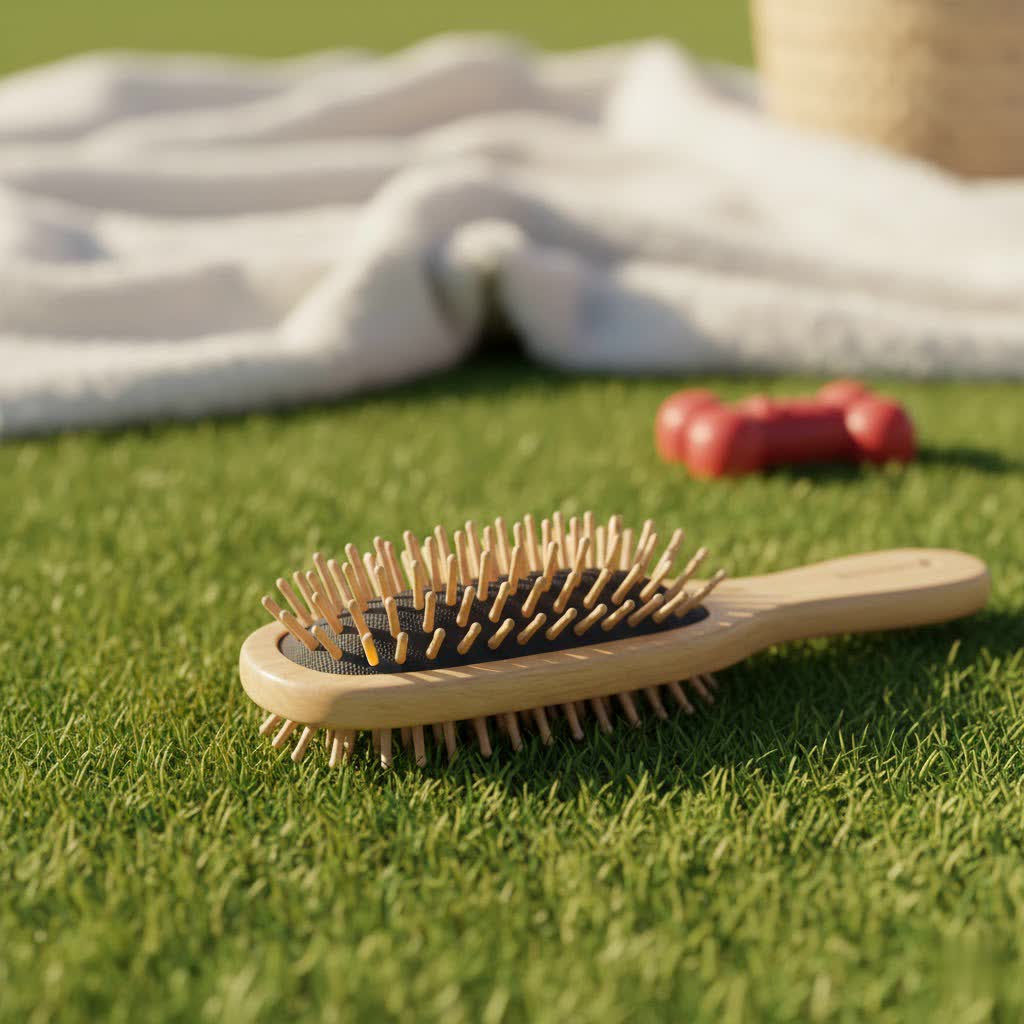
If you have fine hair, you know the daily struggle: it tangles easily, can look flat, and is prone to breakage or static. Finding the right hairbrush might seem like a small detail, but for delicate strands, it makes all the difference. This comprehensive guide will help you navigate the world of hairbrushes to find the perfect tool to nurture, detangle, and style your fine hair without causing damage.
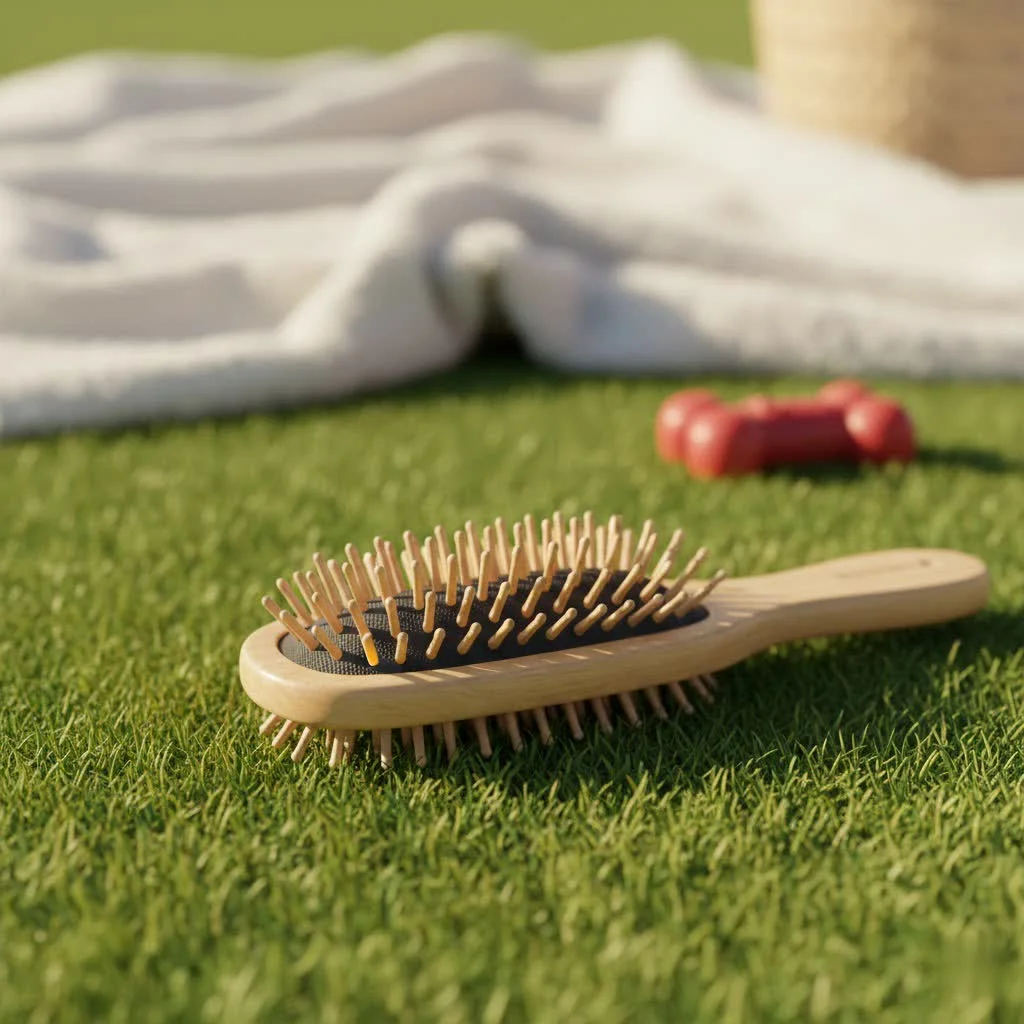
What is Fine Hair and Why Does it Need a Special Brush?
Fine hair refers to the diameter of individual hair strands, meaning each strand is thin and delicate. This is different from thin hair, which refers to the density or number of hairs on your scalp. While you might have a lot of fine hair, its delicate nature makes it uniquely susceptible to certain issues.
The primary challenges with fine hair include a propensity for tangling, static electricity, lack of volume, and increased vulnerability to breakage. Its delicate structure means standard brushes, designed for thicker or more resilient hair types, can often be too harsh. They might snag, pull, or even break the strands, leading to frizz, split ends, and further damage. A brush specifically designed for fine hair respects its fragility, working gently to detangle, smooth, and enhance its natural beauty without causing undue stress.
Essential Brush Types for Fine Hair and Their Benefits
Not all brushes are created equal, especially when it comes to fine hair. Understanding the different types and their specific advantages is key to making an informed choice.
Boar Bristle Brushes
Boar bristle brushes are often hailed as a hero for fine hair due to their natural, soft bristles. These bristles are excellent at distributing your scalp’s natural oils (sebum) from root to tip, conditioning your hair and adding a beautiful, natural shine. They are gentle on both hair and scalp, reducing static and smoothing the hair cuticle, which helps prevent frizz and snags. For fine-to-medium hair that is naturally straight or wavy, pure boar bristles can be incredibly beneficial. However, for very delicate or easily tangled fine hair, they might not provide enough detangling power on their own.
Mixed Bristle Brushes
A combination of natural boar bristles and synthetic (often nylon) pins, mixed bristle brushes offer the best of both worlds. The boar bristles provide the same oil distribution and shine benefits, while the nylon pins—often slightly longer and with rounded tips—excel at detangling. This blend helps to work through knots without excessive pulling, making them a versatile, all-purpose option for fine hair that needs both gentle detangling and a smooth, polished finish. They can be a great starting point if you’re unsure which type of bristle to choose.
Paddle Brushes
|
Our Picks for the Best Hair Brush in 2026
As an Amazon Associate I earn from qualifying purchases.
|
||
| Num | Product | Action |
|---|---|---|
| 1 | Kitsch Detangler Brush – Flexible Curly Hair Brush for Women, Men & Kids - Detangling Hairbrush with Bendable Frame and Ultra-Smooth Bristles for Wet or Dry Strands - Soft Violet |

|
| 2 | Tangle Teezer Ultimate Detangler Brush for Wet & Dry Hair, Eliminates Knots & Reduces Breakage for All Hair Types, Millennial Pink |
|
| 3 | Conair Detangling Hair Brush Set 3 Pack, For Wet, Dry and All Hair Types, Detangling Brushes for Women in Blue, Pink, and Gray |
|
| 4 | Hair Brush Boar Bristle Hairbrush for Thick Curly Thin Long Short Wet or Dry Hair Adds Shine and Makes Hair Smooth, Best Paddle Hair Brush for Men Women Kids |
|
| 5 | 10 Pack Natural Bamboo Hair Brushes, Wooden Paddle Scalp Massage Brush with Round-Tipped Bristles for Stimulating Hair Growth, Anti-Static Detangling for Women, Men |
|
| 6 | Wet Brush Detangling Brush, Original Detangler Brush (Sky) - Wet & Dry Tangle-Free Hair Brush for Women & Men - No Tangle Soft & Flexible Bristles for Straight, Curly, & Thick Hair |
|
| 7 | Wet Brush Original Detangler Hair Brush, Black Frost - Ultra-Soft IntelliFlex Bristles - Detangling Brush Glides Through Tangles For All Hair Types (Wet Dry & Damaged Hair) - Women & Men |
|
| 8 | Medium Round Brushing Brush - Ceramic Hair Brush for a Smooth Salon Style Look - Professional Brushing Brush Ideal for All Hair Types - 43 mm |
|
| 9 | GAINWELL Bamboo Hair Brush for Hair Growth, Natural Bamboo Bristles Detangling Wooden Paddle Hairbrush for Massaging Scalp, for Women Men and Kids, for All Hair Types, with Ergonomic Handle |
|
| 10 | Wet Brush Original Detangler Hair Brush, Amazon Exclusive Purple - Ultra-Soft IntelliFlex Bristles - Detangling Hairbrush Glides Through Tangles For Wet, Dry & Damaged Hair - Women, & Men |
|
Paddle brushes are characterized by their large, flat, and wide head, making them ideal for covering a large surface area of hair quickly. For fine hair, choose a paddle brush with soft, flexible bristles, preferably with ball-tipped ends, as these glide through strands without tugging or pulling. They are excellent for gentle detangling on dry hair and for achieving a sleek, smooth finish. While they might not add significant volume, they are fantastic for managing longer fine hair and reducing frizz.
Round Brushes
If volume and styling are your goals, a round brush is indispensable. For fine hair, opt for a small to medium-sized round brush with natural boar bristles or a mix of boar and soft nylon bristles. The round shape helps lift hair at the roots when blow-drying, creating body and bounce. Natural bristles provide grip without snagging and are gentler on fine strands compared to purely synthetic or metal-barreled options, which can sometimes cause heat damage.
Wide-Tooth Combs
A wide-tooth comb is a non-negotiable tool for anyone with fine hair, especially for detangling when wet. Hair is most fragile when damp, and the wide spacing of the teeth allows the comb to gently separate strands and work through knots without causing breakage or frizz. It mimics the gentle action of finger detangling, making it perfect for distributing conditioner in the shower or carefully preparing your hair before drying.
Vented Brushes
Vented brushes feature openings in their design that allow air to flow through them freely. This makes them excellent for blow-drying fine hair, as they reduce drying time and minimize heat exposure, which is crucial for preventing damage to delicate strands. Look for vented brushes with soft, flexible bristles to ensure gentleness while styling.
Detailed Comparison of Hair Brush Types for Fine Hair
| Type of Brush | Best For | Key Benefits for Fine Hair | Bristle Type (Common) | Material (Handle/Barrel) | Considerations |
|---|---|---|---|---|---|
| Boar Bristle Brush | Adding shine, smoothing, distributing oils | Gentle, adds natural luster, reduces static, conditions hair | 100% natural boar bristles | Wood, plastic | Less effective for heavy detangling; can be too soft for very tangled hair. |
| Mixed Bristle Brush | Detangling, smoothing, shine, all-purpose | Combines detangling power with shine-enhancing properties, gentle yet effective | Boar and nylon mix | Wood, plastic | Good balance for daily use; some synthetic pins might not suit super sensitive scalps. |
| Paddle Brush | Detangling (dry), smoothing straight styles, long hair | Covers large areas, gentle detangling with soft bristles, creates sleek looks | Soft nylon with rounded tips, sometimes mixed | Wood, plastic | Can flatten hair if too firm; choose one with a cushioned base and flexible bristles. |
| Round Brush | Adding volume, blow-drying, styling curls/waves | Lifts roots for volume, shapes hair, speeds up drying when vented | Boar, mixed, soft nylon | Ceramic, wood, metal (avoid metal for fine hair if heat sensitive) | Choose small/medium size; avoid metal barrels if concerned about heat damage; natural bristles are gentler. |
| Wide-Tooth Comb | Detangling wet hair, distributing products | Prevents breakage when wet, gentle on fragile strands, minimizes frizz | Plastic, wood | Plastic, wood | Not for styling or adding shine to dry hair; primarily a detangling tool. |
| Vented Brush | Fast blow-drying, reduced heat exposure | Allows airflow for quicker drying, minimizes heat damage, lightweight | Soft nylon, synthetic | Plastic | Primarily for use with a hairdryer; ensures even heat distribution. |
How to Choose the Right Brush for Your Fine Hair
Selecting the ideal brush for your fine hair involves understanding your specific hair needs and styling goals.
-
Identify Your Primary Need: Are you looking primarily for detangling, volume, smoothing, or a daily all-rounder?
- For gentle detangling (especially wet hair), a wide-tooth comb is paramount. For dry detangling, a paddle brush with soft bristles or a mixed bristle brush works well.
- To add volume, a small to medium round brush with natural or mixed bristles is your go-to.
- For smoothing and shine, a boar bristle brush or a mixed bristle brush is excellent.
- For a versatile daily brush that handles most tasks, a mixed bristle paddle brush is often a great choice.
-
Consider Bristle Type: For fine hair, soft, flexible bristles are crucial.
- Boar bristles are best for distributing oils and adding shine.
- Nylon bristles with rounded tips are effective for detangling without snagging.
- Mixed bristles offer a balanced approach.
- Avoid stiff, widely spaced plastic bristles without rounded tips, as these can be too harsh.
-
Assess Brush Head Size and Design:
- Lightweight brushes are easier to handle and won’t weigh down delicate strands.
- Smaller or medium-sized brush heads provide more control and precision, especially for shorter fine hair or specific styling.
- Vented designs are highly beneficial if you frequently blow-dry, as they promote faster and gentler drying.
- A cushioned base on a paddle brush provides extra flexibility and gentle contact with the scalp.
Proper Brushing Techniques for Healthy Fine Hair
Even with the perfect brush, incorrect technique can still lead to damage. Here’s how to brush your fine hair to keep it healthy and vibrant:
- Start from the Ends, Work Your Way Up: This is perhaps the most crucial rule for fine hair. Begin by gently detangling any knots at the very ends of your hair. Once those are clear, move a few inches up and repeat. Gradually work your way towards the roots. This method prevents pulling existing tangles downwards, which can create larger knots and cause breakage.
- Brush Gently and with Light Pressure: Fine hair is fragile. Use soft, controlled strokes rather than aggressive brushing. Avoid yanking or tearing through tangles; be patient and gentle.
- Avoid Brushing Wet Hair (Mostly): Fine hair is most vulnerable when wet. Unless you are using a wide-tooth comb or a brush specifically designed for wet detangling (like a detangling brush with very flexible bristles), it’s best to wait until your hair is at least damp or fully dry. When wet, hair’s elasticity is compromised, making it prone to stretching and breaking.
- Brush Consistently, But Don’t Over-Brush: Brushing 2-3 times a day—in the morning to style and detangle, and before bed to remove product buildup and distribute natural oils—is generally sufficient. Over-brushing can cause unnecessary friction and lead to breakage.
- Keep Your Brush Clean: Regularly remove shed hair and any product residue from your brush. A clean brush performs better and prevents the transfer of dirt and oils back onto your clean hair. You can use a comb to pull out hair and then wash the brush with mild soap and water occasionally.
- Pair with Hair Care Products: Complement your brushing routine with leave-in conditioners, detangling sprays, or heat protectants, especially if you use heat styling. These products add an extra layer of protection and make brushing easier.
Where to Buy Brushes for Fine Hair & What to Look For
Investing in a quality brush for your fine hair is a step towards healthier, happier locks. You can find excellent options at various retailers, both online and in physical stores.
Where to Buy:
- Online Retailers: Websites like Amazon, Ulta, Sephora, and specialized hair care sites offer a vast selection from various brands, often with customer reviews that can be helpful.
- Beauty Supply Stores: Stores like Sally Beauty or local professional beauty supply shops carry a range of brushes, and staff can sometimes offer personalized recommendations.
- Department Stores: High-end department stores often feature premium hair care brands with durable and well-designed brushes.
- Specialty Hair Brands: Many hair care brands that focus on specific hair types will offer brushes tailored to those needs.
Buying Guide: Important Considerations When Purchasing a Brush for Fine Hair
- Bristle Material: Prioritize natural boar bristles, soft nylon with rounded tips, or a mixed blend. These are the most gentle and effective for fine hair. Double-check that nylon pins have smooth, rounded tips to prevent scratching the scalp or snagging hair.
- Brush Design & Shape: Consider if you need a paddle for general detangling, a round brush for volume, or a wide-tooth comb for wet hair. Ensure the brush is lightweight and comfortable to hold. If you blow-dry often, a vented design is a significant plus.
- Size: Smaller to medium-sized brush heads are generally better for fine hair, offering more control. For very long fine hair, a larger paddle brush can be efficient, but always ensure the bristles are gentle.
- Durability and Quality: A well-made brush will last longer and perform better. Look for sturdy construction and bristles that are securely set. While some premium brushes can be an investment, they often pay off in terms of hair health.
- Brand Reputation: While not always a definitive indicator, established brands known for their hair tools often have a track record of quality and thoughtful design. Reading reviews from others with fine hair can also provide valuable insights.
Conclusion
Choosing the right brush for your fine hair is more than just a purchase; it’s an investment in your hair’s health and appearance. By understanding the unique needs of fine strands and selecting a brush with soft, appropriate bristles and a thoughtful design, you can transform your daily hair care routine. The right tool, combined with gentle brushing techniques, will help you detangle without breakage, enhance natural shine, and add volume, allowing your fine hair to look its absolute best.
Don’t underestimate the power of a good brush to make a significant difference. What hair challenge are you hoping a new brush will solve for you?
Frequently Asked Questions
Can I use a regular hairbrush on fine hair?
While you can use a regular hairbrush, it’s generally not recommended. Brushes designed for thicker hair often have stiffer, more widely spaced bristles that can be too harsh for delicate fine strands, leading to breakage, split ends, and increased static. Opting for a brush specifically made for fine hair will provide gentler care.
How often should I brush my fine hair?
Brushing your fine hair once or twice a day is usually sufficient. Over-brushing can cause unnecessary friction and lead to damage. A gentle brush in the morning to style and a light brush before bed to detangle and distribute natural oils are ideal.
Is a boar bristle brush good for fine, oily hair?
Yes, a pure boar bristle brush can be excellent for fine, oily hair. Its natural bristles effectively distribute the scalp’s oils down the hair shaft, helping to condition drier ends and reduce the appearance of oiliness at the roots. This natural oil distribution can also extend the time between washes.
Should I brush fine hair when it’s wet?
It’s generally best to avoid brushing fine hair when it’s soaking wet, as hair is most fragile and prone to breakage in this state. Instead, use a wide-tooth comb or a detangling brush specifically designed for wet hair, starting from the ends and gently working your way up.
How can I add volume to fine hair with a brush?
To add volume to fine hair, use a small or medium-sized round brush with natural or mixed bristles while blow-drying. Lift sections of hair at the roots and direct the airflow upwards as you brush, creating tension and lift. A vented round brush can further enhance this by speeding up drying time.
Get our weekly buyer guide
Practical specs, not advice. Unsubscribe anytime.
