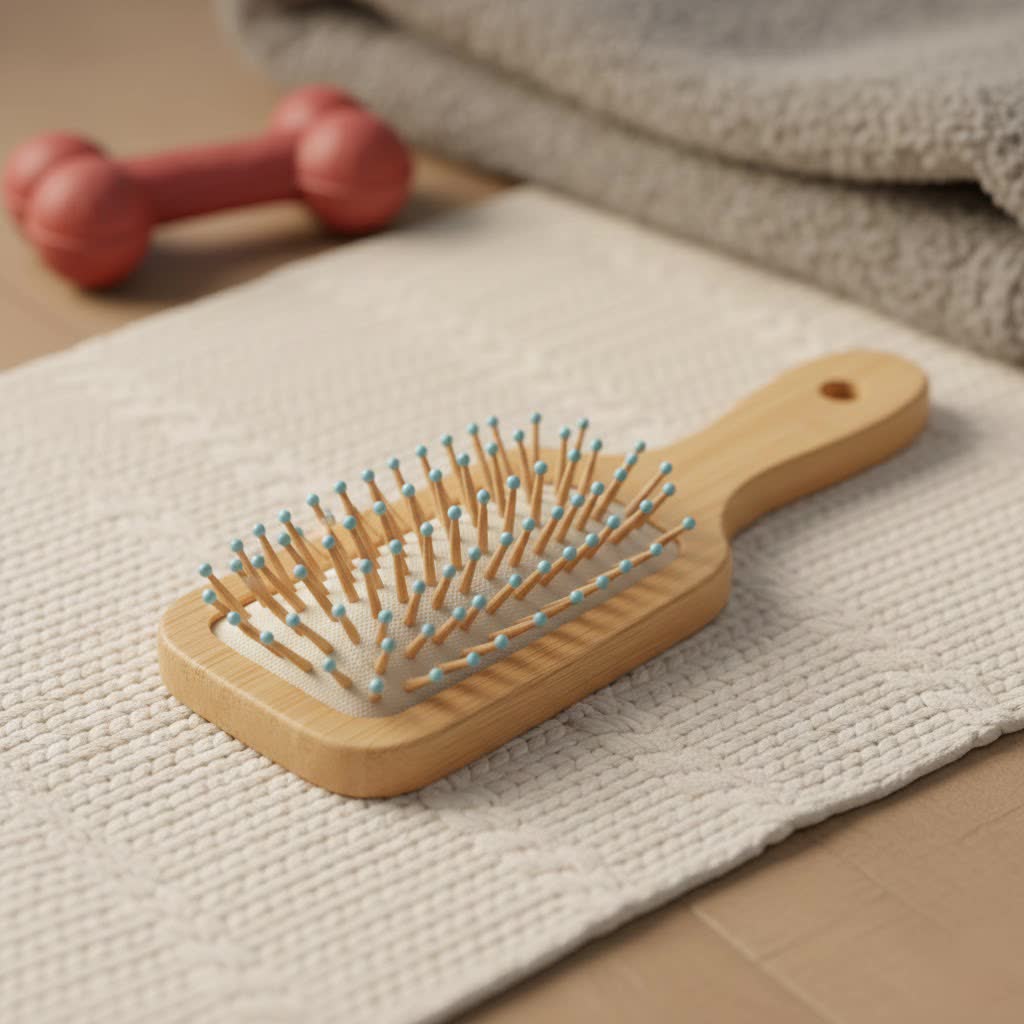
Have you ever stopped to consider the impact of your daily hair brushing routine on your hair’s health and the planet? While many reach for plastic, a simple switch to a wooden hair brush can improve your hair care, offering a gentle, effective, and eco-conscious solution. From minimizing static and tangles to promoting a healthier scalp and lustrous locks, the wooden hair brush stands out as a superior choice. This comprehensive guide will explore everything you need to know about these natural tools, helping you choose the perfect one for your hair type and embrace a more sustainable beauty regimen.
What is a Hair Brush? Why You Need a Good One?
A hair brush is more than just a tool to detangle your strands; it’s an essential instrument in maintaining the overall health and appearance of your hair. Throughout history, various materials have been used, but the fundamental purpose remains: to smooth, style, and distribute natural oils. Proper hair brushing is vital for stimulating the scalp, encouraging blood circulation, and evenly spreading the hair’s natural conditioners. Opting for a quality brush, particularly one crafted from wood, ensures this routine nourishes rather than harms your hair, preventing issues like breakage, frizz, and scalp irritation often associated with synthetic alternatives.
Popular Types of Wooden Hair Brushes and Their Uses
The world of wooden hair brushes offers a variety of designs, each tailored to specific hair needs and styling goals. While all share the core benefits of natural wood, their construction and bristle types dictate their primary functions.
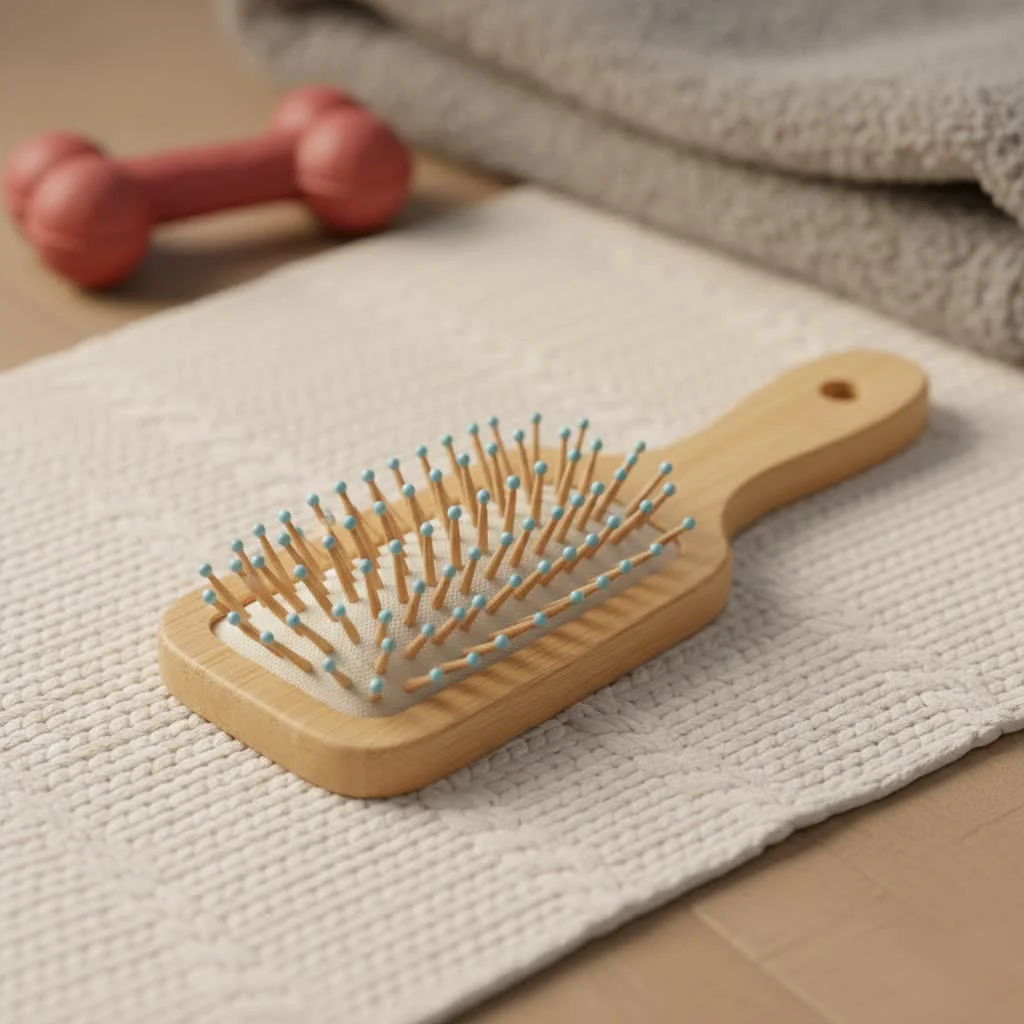
- Wooden Paddle Brushes: These typically feature a wide, flat base with widely spaced wooden pins, often tipped with rounded ends. They are excellent for detangling all hair types, especially long or thick hair, without causing static or pulling. The broad surface also makes them ideal for smoothing and gentle scalp massage.
- Wooden Round Brushes: Designed for styling, round wooden brushes help create volume, waves, or curls during blow-drying. The wooden barrel heats up less intensely than metal, reducing heat damage, while the pins help lift and shape the hair.
- Wooden Vent Brushes: These brushes have open spaces (vents) in their design, allowing air to flow through more easily. While less common in pure wood, wooden-handled vent brushes with wooden pins can speed up drying time while offering the benefits of wood.
- Wooden Combs (Wide-Tooth): Though not strictly brushes, wooden wide-tooth combs are indispensable for gently detangling wet or fragile hair. Their smooth, polished teeth glide through knots with minimal friction, preventing breakage and preserving natural hair texture, especially for curly or wavy hair.
- Wooden Bristle Brushes with Mixed Materials: Some wooden brushes incorporate a combination of wooden pins and natural boar bristles. These hybrid brushes offer enhanced oil distribution from the boar bristles while maintaining the scalp-stimulating and anti-static benefits of wooden pins, suitable for a comprehensive approach to hair health.
The type of wood itself also plays a role. Different woods offer varying levels of durability, weight, and even aesthetic appeal, contributing to the overall experience and longevity of the brush.
Detailed Comparison Table of Wooden Hair Brush Materials
The choice of wood significantly impacts a hair brush’s performance and feel. Here’s a comparison of common timber types used for wooden hair brushes:
| Wood Type | Key Characteristics & Benefits | Ideal For | Price Range | Considerations |
|---|---|---|---|---|
| Sandalwood | Smooth texture, soft bristles, reduces static, warm aroma (aromatherapy). | Fine, sensitive hair; those seeking aromatic benefits. | High | Rarity, high cost, scent may cause allergies for some. |
| Ebony | Deep, glossy finish, very soft bristles, visually striking. | Most hair types, daily gentle use. | High | High density (can be heavy), potential environmental concerns. |
| Rosewood | Fine texture, nourishes hair, luxurious feel, soft bristles. | Users seeking high-end, gentle care. | High | Expensive, some species are endangered, limited supply. |
| Teak | Highly durable, water-resistant, won’t swell/deform in moisture. | Wet/damp hair styling, humid climates, long-term use. | Medium-High | Can be heavier, typically used for handles or robust structures. |
| Verawood | Natural beauty, exceptional durability, hard and dense, wear-resistant. | Frequent use, high-quality, long-lasting brushes. | Medium-High | May be less common, specific sourcing. |
| Beech | Durable, heat-resistant, won’t warp/crack under high temperatures. | Users of heat styling tools regularly. | Medium | Generally strong, versatile, and often FSC-certified. |
| Guatambu | Lightweight, strong, durable, unique grain patterns. | Daily use, portability, travel. | Medium | Less well-known, may be harder to find. |
Choosing the right wood means balancing durability, weight, texture, sustainability, and aesthetics to find the perfect match for your personal preferences and hair care routine.
Guide to Choosing the Right Wooden Hair Brush for Each Hair Type
Selecting the appropriate wooden hair brush is paramount for optimal hair health. Consider your unique hair characteristics:
- Straight Hair: A wooden paddle brush with widely spaced pins is excellent for detangling and smoothing straight hair without creating static. For added shine, a brush with finely polished wooden pins works wonders.
- Curly or Wavy Hair: To preserve curl patterns and prevent frizz, opt for a wide-tooth wooden comb or a wooden paddle brush with very widely spaced, rounded pins. These tools gently separate strands, minimizing breakage and maintaining natural texture.
- Oily Hair: A wooden bristle brush (especially one with pure wooden pins) can help distribute natural scalp oils (sebum) more evenly from roots to ends. This action helps reduce oil buildup at the scalp while nourishing drier ends, balancing oil production.
- Dry or Brittle Hair: Look for a wooden brush with very smooth, rounded pins or a half-moon wooden brush designed for scalp massage. The gentle action helps stimulate blood flow without stripping fragile hair of its moisture. Avoid brushes with sharp edges that could snag.
- Fine or Thin Hair: A lightweight wooden paddle brush or a wooden brush with soft, flexible pins is ideal. These provide gentle detangling and scalp stimulation without overwhelming delicate strands. A wooden massage brush can also boost circulation without causing breakage.
- Thick Hair: A sturdy wooden paddle brush with longer, well-spaced pins will effectively penetrate thick hair to detangle and distribute oils. Harder woods like teak or verawood might offer the durability needed for dense hair.
Regardless of your hair type, the key is to ensure the wooden pins are smooth, well-finished, and free from splinters to prevent any damage to your hair cuticles.
How to Brush Your Hair Correctly for Healthy Hair
Even the best wooden hair brush needs to be used correctly to maximize its benefits. Embrace these habits for healthier hair:
- Start from the Ends: Always begin detangling from the tips of your hair, working your way up in small sections. This prevents pulling and minimizes breakage, gently easing out knots rather than forcing the brush through them.
- Brush When Dry or Slightly Damp: While a wide-tooth wooden comb is perfect for wet hair, using a paddle brush on sopping wet hair can cause damage as hair is most vulnerable when wet. For best results with your wooden brush, wait until your hair is dry or just slightly damp.
- Brush Regularly, But Gently: Brushing your hair 2-3 times a day for a few minutes can help distribute natural oils, stimulate the scalp, and keep tangles at bay. However, avoid over-brushing or aggressive strokes, which can lead to breakage and irritation.
- Incorporate Scalp Massage: The rounded wooden pins of a quality brush are excellent for massaging your scalp. This action increases blood flow to the hair follicles, which can promote hair growth and deliver vital nutrients. Gently press the brush against your scalp and make small circular motions.
- Clean Your Brush Regularly: Over time, hair, dust, and product residue can accumulate on your brush. Regularly remove trapped hair and clean your wooden brush with mild soap and water. Allow it to air dry completely, preferably bristle-down, to prevent wood damage. Using warm water and a toothbrush can help clean between the pins.
- Use Complementary Hair Products: Pair your wooden brush with natural hair oils, serums, or leave-in conditioners to enhance shine and manageability. The wooden pins will help distribute these products evenly through your hair.
“A good wooden brush doesn’t just detangle; it’s a daily ritual that nurtures your scalp and enriches your hair with its natural oils, leading to unparalleled shine and strength.” – Dr. Elara Vance, Trichologist and Hair Care Specialist.
Where to Buy Wooden Hair Brushes? What About the Price?
Finding a quality wooden hair brush is easier than ever, with options available both online and in physical stores.
You can typically find a good selection at:
- Specialty Beauty Stores: Many high-end or natural beauty retailers carry a curated selection of wooden hair brushes, often offering various wood types and designs.
- Eco-Friendly or Zero-Waste Shops: These stores prioritize sustainable products, making them an excellent source for ethically sourced wooden brushes.
- Online Marketplaces: Large e-commerce platforms and dedicated beauty websites offer an extensive range, often with customer reviews that can help guide your decision. Look for reputable sellers and detailed product descriptions.
- Health Food Stores: Some larger health food stores or natural product co-ops may also stock wooden hair care tools.
When it comes to price, wooden hair brushes generally range from $15 to $80 or more, depending on the type of wood, craftsmanship, brand, and size. While they might have a higher upfront cost compared to mass-produced plastic brushes, their durability, longevity, and myriad hair health benefits make them a worthwhile investment. A well-maintained wooden brush can last for many years, offering superior value over time compared to frequently replacing cheaper, less effective plastic alternatives. Look for brands known for their commitment to sustainable sourcing and quality materials to ensure you’re getting a genuine, beneficial product.
Buying Guide: Important Considerations When Buying a Wooden Hair Brush
Choosing the perfect wooden hair brush involves more than just aesthetics; it’s about understanding the specific features that cater to your hair’s needs.
- Wood Type: As detailed in our comparison, different woods offer unique properties. Consider durability (teak, verawood for longevity), weight (guatambu for portability), texture (sandalwood for smoothness), and sustainability (FSC-certified beech for eco-conscious choices). The right wood enhances the brush’s function and feel.
- Bristle Type / Pin Material: For wooden brushes, the pins are crucial. Look for smooth, rounded wooden pins that glide through hair without snagging or scratching the scalp. Avoid any brushes with rough or unfinished pins, as these can cause cuticle damage and split ends. Wide-spaced pins are best for detangling, while denser pins can offer more smoothing.
- Design and Shape:
- Paddle brushes are excellent for general detangling and smoothing.
- Round brushes are designed for styling, adding volume or waves.
- Wide-tooth combs are indispensable for wet detangling. Select a shape that aligns with your primary hair care needs.
- Ergonomics and Handle: A comfortable handle ensures a pleasant brushing experience. Look for a design that fits well in your hand, allowing for a firm grip without causing strain, especially if you have long or thick hair requiring more effort to brush.
- Cushion Base (if applicable): Many paddle and oval wooden brushes feature a rubber cushion that houses the wooden pins. This cushion provides flexibility, allowing the pins to move with your scalp and hair, reducing pulling and providing a gentle massage. Ensure the cushion is made from natural rubber for sustainability.
- Brand Reputation and Sustainability: Research brands that are known for quality craftsmanship and ethical sourcing. Look for certifications like FSC (Forest Stewardship Council) to ensure the wood comes from responsibly managed forests. Investing in a reputable brand often means better durability and performance.
- Size: Consider the size of the brush relative to your hair length and personal preference. Smaller brushes are great for travel or short hair, while larger paddle brushes are more efficient for longer, thicker hair.
By carefully considering these factors, you can select a wooden hair brush that not only looks beautiful but also provides superior care for your hair and scalp for years to come.
Conclusion
Embracing a wooden hair brush is more than just a trend; it’s a commitment to healthier hair and a more sustainable lifestyle. By understanding the distinct benefits—from reducing static and distributing natural oils to stimulating your scalp and preventing damage—you can improve your daily hair care routine. The journey to lustrous, strong, and vibrant hair begins with the right tools, and a wooden hair brush stands as a shows nature’s ability to provide effective, gentle solutions. Make the switch today and experience the transformative difference for yourself. What natural hair care practices have you found most effective in maintaining your hair’s health?
Frequently Asked Questions
Are wooden hair brushes suitable for all hair types?
|
Our Picks for the Best Hair Brush in 2026
As an Amazon Associate I earn from qualifying purchases.
|
||
| Num | Product | Action |
|---|---|---|
| 1 | Medium Round Brushing Brush - Ceramic Hair Brush for a Smooth Salon Style Look - Professional Brushing Brush Ideal for All Hair Types - 43 mm |

|
| 2 | GAINWELL Bamboo Hair Brush for Hair Growth, Natural Bamboo Bristles Detangling Wooden Paddle Hairbrush for Massaging Scalp, for Women Men and Kids, for All Hair Types, with Ergonomic Handle |
|
| 3 | Kitsch Detangler Brush – Flexible Curly Hair Brush for Women, Men & Kids - Detangling Hairbrush with Bendable Frame and Ultra-Smooth Bristles for Wet or Dry Strands - Soft Violet |
|
| 4 | Tangle Teezer Ultimate Detangler Brush for Wet & Dry Hair, Eliminates Knots & Reduces Breakage for All Hair Types, Millennial Pink |
|
| 5 | Wet Brush Original Detangler Hair Brush, Amazon Exclusive Purple - Ultra-Soft IntelliFlex Bristles - Detangling Hairbrush Glides Through Tangles For Wet, Dry & Damaged Hair - Women, & Men |
|
| 6 | Hair Brush Boar Bristle Hairbrush for Thick Curly Thin Long Short Wet or Dry Hair Adds Shine and Makes Hair Smooth, Best Paddle Hair Brush for Men Women Kids |
|
| 7 | Conair Detangling Hair Brush Set 3 Pack, For Wet, Dry and All Hair Types, Detangling Brushes for Women in Blue, Pink, and Gray |
|
| 8 | Wet Brush Detangling Brush, Original Detangler Brush (Sky) - Wet & Dry Tangle-Free Hair Brush for Women & Men - No Tangle Soft & Flexible Bristles for Straight, Curly, & Thick Hair |
|
| 9 | Wet Brush Original Detangler Hair Brush, Black Frost - Ultra-Soft IntelliFlex Bristles - Detangling Brush Glides Through Tangles For All Hair Types (Wet Dry & Damaged Hair) - Women & Men |
|
| 10 | 10 Pack Natural Bamboo Hair Brushes, Wooden Paddle Scalp Massage Brush with Round-Tipped Bristles for Stimulating Hair Growth, Anti-Static Detangling for Women, Men |
|
Yes, wooden hair brushes are generally suitable for all hair types, including straight, wavy, curly, thick, fine, oily, and dry hair. The key is to choose the right brush design and wood type, such as a wide-tooth wooden comb for curly hair or a paddle brush for detangling straight hair, to match specific needs.
How often should I clean my wooden hair brush?
You should aim to clean your wooden hair brush at least once a week, or more frequently if you use a lot of hair products. Remove loose hair daily, and deep clean with mild soap and water, ensuring it dries completely to maintain its integrity.
Do wooden hair brushes really help with hair growth?
Wooden hair brushes can indirectly promote hair growth by stimulating blood circulation in the scalp. The gentle massage from the rounded wooden pins enhances nutrient delivery to hair follicles, creating a healthier environment for hair to flourish.
Can wooden brushes be used on wet hair?
While wooden wide-tooth combs are excellent for detangling wet hair, using a paddle or round wooden brush on soaking wet hair is generally not recommended. Hair is most fragile when wet, and excessive brushing can cause damage. It’s best to use them on dry or slightly damp hair.
What’s the main difference between a wooden brush and a plastic brush?
The main difference lies in static electricity. Wooden brushes, being natural, do not generate static, preventing frizz and breakage. Plastic brushes, conversely, often build up static, leading to frizzy, unmanageable hair and potential scalp irritation. Wooden brushes are also more eco-friendly.
Get our weekly buyer guide
Practical specs, not advice. Unsubscribe anytime.

I picked up a wooden brush after reading about how they help distribute natural oils. My dry ends have always been a struggle, and I’m genuinely seeing an improvement. It feels really good to use something that’s also eco-conscious. My hair feels softer and looks much healthier overall.
I’ve been using a wooden brush for about a month now, and I can’t believe the difference! My hair used to get so staticky, especially in the winter, but with this brush, it’s practically gone. It feels so much gentler on my scalp too, and I’ve noticed less breakage. Definitely a game-changer for my fine hair.
I was skeptical about switching from my old plastic brush, but the promise of a healthier scalp really got me. This wooden brush has definitely made my scalp feel less irritated, and my hair looks shinier. My only minor complaint is that it doesn’t detangle super thick hair quite as fast as my old brush, but the benefits outweigh that.
I wanted to love this wooden brush for its sustainability aspect, and it does feel nice in my hand. However, I have really long, curly hair, and I find it doesn’t get through my tangles as easily as I’d hoped. It’s good for a gentle brush-through, but for serious detangling, I still need my wide-tooth comb first. Maybe it’s better for straighter hair types.