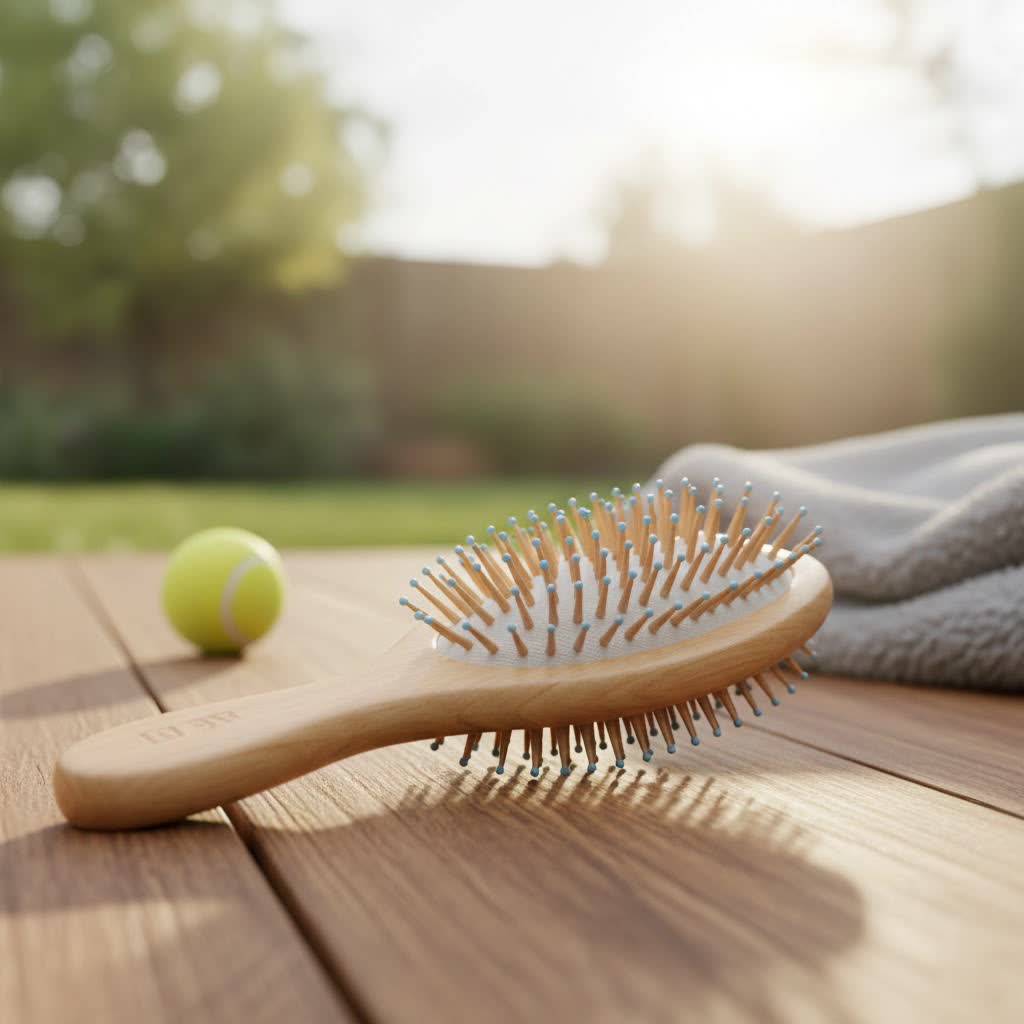
For centuries, the simple act of brushing hair has been a cornerstone of beauty and personal care. From untangling knots to creating elaborate styles, the right hair brush is an indispensable tool. But beyond basic grooming, a specialized brush like the round hair brush elevates styling to an art form, allowing you to achieve professional-looking blowouts, add glorious volume, or create beautifully defined waves right in your own home. Choosing the perfect hair brush, especially a round one, is not merely about aesthetics; it’s about hair health, styling versatility, and achieving the exact look you desire.
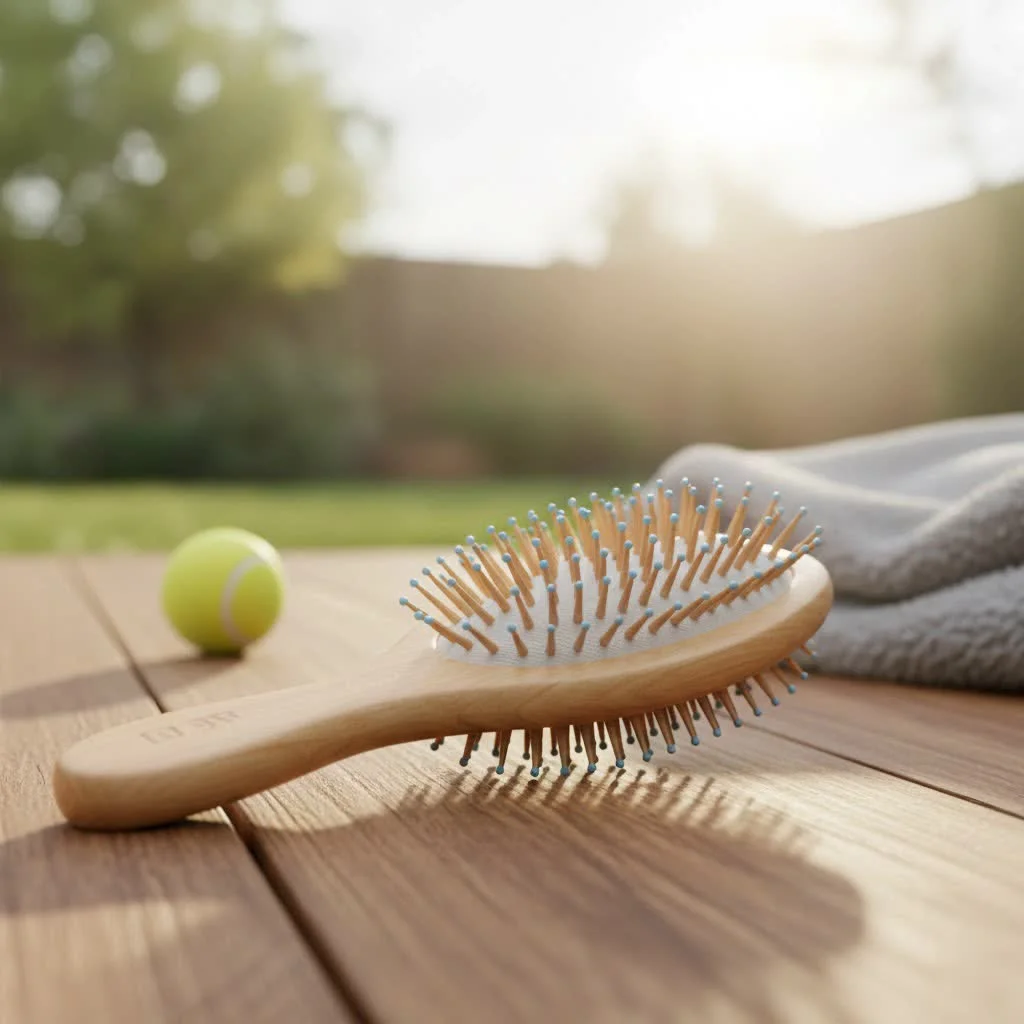
What is a Hair Brush? Why You Need a Good One?
At its core, a hair brush is a tool designed to smooth, detangle, and style hair. Its history is as long as human civilization, evolving from simple animal bones and wood to sophisticated designs tailored for specific needs. A good quality hair brush is more than just a detangler; it distributes natural oils from the scalp down the hair shaft, improving shine and nourishment. It also stimulates the scalp, which can encourage healthy hair growth. Proper brushing prevents breakage, reduces frizz, and prepares your hair for styling, making a significant difference in its overall health and appearance.
Among the diverse array of brushes available, the round hair brush stands out as the ultimate tool for heat styling, particularly for creating volume, waves, or smooth, curled ends during blow-drying. Its unique cylindrical shape and varying bristle types allow hair to be wrapped around the barrel, providing tension and heat distribution that molds the hair into desired shapes. Without a quality round brush, achieving that coveted salon-fresh blowout at home would be a near-impossible task.
Popular Hair Brush Types and Their Uses
The world of hair brushes is vast, each type serving a distinct purpose. Understanding these differences is key to mastering your hair care routine and achieving specific styles.
Round Hair Brush: This is the hero for blow-drying and thermal styling. Available in various barrel sizes and bristle materials, round brushes are perfect for adding volume at the roots, creating bouncy curls, soft waves, or smoothing and straightening hair with a slight bend. Smaller barrels produce tighter curls and more lift, while larger barrels create bigger waves, softer bends, or help straighten longer hair.
Paddle Brush: Characterized by its broad, flat base, a paddle brush is excellent for detangling, smoothing, and straightening long, thick hair. It covers a large surface area, making it efficient for everyday brushing and creating sleek, smooth finishes. Its wide-set bristles are gentle and help prevent static.
Vent Brush: With its open, ventilated design, the vent brush allows air to pass through freely, significantly speeding up blow-drying time. It’s ideal for quickly drying fine hair or achieving a natural look with minimal frizz. The flexible bristles also make it good for detangling.
Detangling Brush: Often featuring flexible plastic bristles or a unique design, detangling brushes are specifically engineered to gently remove knots and tangles from wet or dry hair without causing breakage. These brushes minimize pulling and pain, making them a favorite for those with delicate or easily tangled hair.
Half-Round Brush: This brush combines elements of a paddle and round brush. Its curved shape is great for creating volume and shaping bangs, offering more control than a full round brush for specific sections.
Detailed Comparison Table of Hair Brush Types
Choosing the right brush means understanding their distinct characteristics. Here’s a comparison to guide your selection:
| Type of Brush | Material (Common) | Primary Function | Pros | Cons |
|---|---|---|---|---|
| Round Brush (Boar Bristle) | Natural boar bristles, wood/ceramic barrel | Volume, shine, healthy oil distribution during blowouts, soft curls | Adds incredible shine, gentle, great for distributing natural oils, reduces frizz | Can be pricey, requires technique, may not detangle thick hair easily |
| Round Brush (Nylon/Mixed) | Nylon bristles, ceramic/metal barrel | Volume, quick styling, stronger grip, defined curls/waves | Excellent for heat styling, provides strong tension for shaping, heats up quickly with dryer | Can be harsh if not used carefully, may cause static, potential for heat damage on fine hair |
| Paddle Brush | Plastic, wood, rubber base | Detangling, smoothing, straightening | Great for long, straight hair, minimizes static, comfortable for scalp | Not ideal for volume or curling, less effective on very short hair |
| Vent Brush | Plastic, widely spaced bristles | Quick drying, light detangling | Speeds up blow-drying, adds some volume, good for natural styles | Limited styling capabilities, may not smooth as effectively as other brushes |
| Detangling Brush | Flexible plastic bristles | Gentle detangling (wet or dry hair) | Reduces breakage, minimizes pain, safe for sensitive scalps | Not designed for styling, offers no volume or curl |
How to Choose the Right Hair Brush for Each Hair Type
The secret to a great hair day often lies in selecting the brush that perfectly complements your hair type and desired style.
For Fine Hair: Opt for a round brush with a smaller barrel diameter and natural boar bristles. Boar bristles are gentle and excellent for adding shine and volume without weighing down delicate strands. Use gentle tension and focus on smoothing airflow during blow-drying to prevent damage.
For Thick Hair: A larger barrel round brush with robust nylon or mixed bristles is ideal. The larger size makes styling more efficient, while stronger bristles can handle denser hair, providing firm tension for effective shaping and ensuring good heat distribution throughout the section.
For Curly or Wavy Hair: Smaller to medium-sized round brushes can define curls and waves during blow-drying. A round brush with mixed boar and nylon bristles can help detangle while still allowing you to shape your natural texture. For detangling outside of styling, a wide-tooth comb or a dedicated detangling brush is recommended to avoid disrupting curl patterns.
For Straight Hair: While paddle brushes are excellent for overall smoothing, a large barrel round brush can be used during blow-drying to create a sleek, straight look with a soft, voluminous bend at the ends. Ceramic barrels are beneficial for even heat distribution.
For Oily Scalp: A boar bristle round brush can help distribute natural oils from the scalp down to the ends, naturally conditioning the hair and potentially reducing oiliness at the roots over time.
For Dry or Brittle Hair: Look for brushes with soft, flexible bristles or rounded tips to minimize friction and breakage. Avoid metal or ionic barrels if your hair is already prone to dryness, as these can intensify heat.
How to Brush Hair Correctly for Healthy Hair
Proper brushing technique is paramount for maintaining healthy hair and achieving your desired styles.
Begin by gently detangling the ends of your hair, working your way upwards towards the roots. This prevents pulling and breakage, especially if your hair is prone to knots. It is generally best to brush hair when it is dry or only slightly damp, as wet hair is more fragile and susceptible to damage.
Aim to brush your hair consistently, about two to three times each day. This routine helps to distribute natural oils, stimulate the scalp, and keep your strands smooth. Remember to regularly clean your hair brush to remove accumulated hair, product residue, and oils, ensuring it remains effective and hygienic.
When using a round brush for a blowout, always apply a heat protectant product that guards against high temperatures. Dry your hair to about 80% before starting with the round brush. To create volume at the roots, section your hair, place the brush as close to the root as possible, and direct the hairdryer’s heat there, lifting the section as you dry. Gently rotate the brush as you pull it through the length of your hair, twisting your wrist at the ends for a soft wave or curl. Focus on drying the roots first, as they take longer to dry than the ends, ensuring maximum fullness.
Where to Buy Hair Brushes? Pricing?
High-quality hair brushes are widely available from a variety of retailers, both online and in physical stores. You can find them at beauty supply stores, department stores, pharmacies, and dedicated hair salon product retailers. Online marketplaces and brand-specific websites also offer extensive selections, often with customer reviews that can help guide your decision.
The price of a hair brush can vary significantly based on its material, brand, and design. Basic plastic brushes might cost just a few dollars, while high-end round brushes with natural boar bristles, ceramic barrels, or advanced ionic technologies can range from $20 to over $100. Investing in a good quality brush, especially a versatile round brush, is often worth it for the improved styling results and benefits to hair health. Well-known brands in the hair care industry often offer a range of reliable options.
Buying Guide: Important Considerations When Purchasing a Hair Brush
Selecting the ideal hair brush involves more than just picking the first one you see. Thoughtful consideration will ensure you find a tool that truly enhances your hair care and styling routine.
Material: The material of both the bristles and the barrel (for round brushes) is crucial. Natural boar bristles are excellent for shine and distributing natural oils, while nylon bristles provide stronger grip and are great for detangling and creating tension. Mixed bristles offer a balance of both. For round brushes, ceramic or tourmaline barrels heat up evenly and can help reduce frizz, while metal barrels retain heat intensely for faster styling.
Style and Shape: While this guide focuses on the round brush, consider its specific shape and the features it offers. For instance, a vented round brush allows for faster drying, while a solid barrel provides more heat retention for shaping. The overall ergonomics should also be comfortable for your hand during prolonged styling.
Size: For round brushes, size truly matters. The barrel diameter dictates the type of curl or volume you’ll achieve. Smaller barrels (1-1.5 inches) are best for short hair, tight curls, or significant root lift. Medium barrels (1.5-2 inches) are versatile for creating waves, medium curls, and adding volume to shoulder-length hair. Larger barrels (2-3 inches or more) are ideal for straightening long hair, creating soft waves, or adding significant body. Match the barrel size to your hair length and your desired outcome.
Durability: A well-made brush should withstand daily use and last for years. Look for brushes with sturdy handles, securely embedded bristles, and quality construction to ensure a long lifespan. Read reviews to gauge the product’s durability.
Brand Reputation: While not always a guarantee, choosing brushes from reputable brands often ensures a certain level of quality and performance. Established hair tool companies have a history of producing reliable and effective products.
“A quality round brush isn’t just a tool; it’s an extension of your styling ambition. The right one can transform a simple blow-dry into a masterpiece of volume and shine.” – Sophia Loren, Master Stylist & Hair Care Innovator
Conclusion
The round hair brush is an indispensable tool for anyone aspiring to achieve professional-looking blowouts, remarkable volume, or beautifully sculpted waves. By understanding the different types of bristles, barrel sizes, and appropriate techniques, you can unlock its full potential and transform your hair. Investing in a high-quality round brush that matches your hair type and styling goals is a commitment to healthier, more manageable, and stunning hair. With the right knowledge and a little practice, you can confidently create salon-worthy styles every day. What kind of magnificent hair transformation will you create with your perfect round brush?
Frequently Asked Questions
What size round brush should I use for short hair?
|
Our Picks for the Best Hair Brush in 2026
As an Amazon Associate I earn from qualifying purchases.
|
||
| Num | Product | Action |
|---|---|---|
| 1 | Medium Round Brushing Brush - Ceramic Hair Brush for a Smooth Salon Style Look - Professional Brushing Brush Ideal for All Hair Types - 43 mm |

|
| 2 | 10 Pack Natural Bamboo Hair Brushes, Wooden Paddle Scalp Massage Brush with Round-Tipped Bristles for Stimulating Hair Growth, Anti-Static Detangling for Women, Men |
|
| 3 | Tangle Teezer Ultimate Detangler Brush for Wet & Dry Hair, Eliminates Knots & Reduces Breakage for All Hair Types, Millennial Pink |
|
| 4 | Wet Brush Original Detangler Hair Brush, Amazon Exclusive Purple - Ultra-Soft IntelliFlex Bristles - Detangling Hairbrush Glides Through Tangles For Wet, Dry & Damaged Hair - Women, & Men |
|
| 5 | Wet Brush Detangling Brush, Original Detangler Brush (Sky) - Wet & Dry Tangle-Free Hair Brush for Women & Men - No Tangle Soft & Flexible Bristles for Straight, Curly, & Thick Hair |
|
| 6 | Conair Detangling Hair Brush Set 3 Pack, For Wet, Dry and All Hair Types, Detangling Brushes for Women in Blue, Pink, and Gray |
|
| 7 | GAINWELL Bamboo Hair Brush for Hair Growth, Natural Bamboo Bristles Detangling Wooden Paddle Hairbrush for Massaging Scalp, for Women Men and Kids, for All Hair Types, with Ergonomic Handle |
|
| 8 | Kitsch Detangler Brush – Flexible Curly Hair Brush for Women, Men & Kids - Detangling Hairbrush with Bendable Frame and Ultra-Smooth Bristles for Wet or Dry Strands - Soft Violet |
|
| 9 | Hair Brush Boar Bristle Hairbrush for Thick Curly Thin Long Short Wet or Dry Hair Adds Shine and Makes Hair Smooth, Best Paddle Hair Brush for Men Women Kids |
|
| 10 | Wet Brush Original Detangler Hair Brush, Black Frost - Ultra-Soft IntelliFlex Bristles - Detangling Brush Glides Through Tangles For All Hair Types (Wet Dry & Damaged Hair) - Women & Men |
|
For short hair, a round brush with a smaller barrel diameter, typically between 1 to 1.5 inches, is most effective. This size provides the necessary tension to lift roots for volume and create tighter curls or flips on shorter lengths, giving you precise control over your style.
Can I use a round brush on wet hair?
While you can start drying with a round brush when hair is slightly damp, it’s generally recommended to rough-dry your hair to about 80% dry before using a round brush for styling. Using it on soaking wet hair can cause excessive pulling, frizz, and heat damage.
What is the best bristle type for a round brush?
The best bristle type depends on your hair. Natural boar bristles are excellent for adding shine and distributing natural oils, ideal for fine or normal hair. Nylon bristles offer a stronger grip and are better for thick or coarse hair. Mixed boar and nylon bristles provide a balanced approach, combining detangling with shine.
How do I get more volume with a round brush?
To maximize volume, focus on lifting the hair at the roots. Section your hair, place the round brush underneath a section near the scalp, and direct the hairdryer’s nozzle onto the brush as you lift the hair upwards and away from your head. Allow the section to cool slightly on the brush before releasing.
Is a ceramic round brush better than a metal one?
Ceramic round brushes are often preferred over plain metal ones because they heat up more evenly and distribute heat more consistently, which can reduce heat damage and frizz. Many ceramic brushes also feature ionic technology, which helps smooth the hair cuticle for a shinier finish.
Get our weekly buyer guide
Practical specs, not advice. Unsubscribe anytime.
