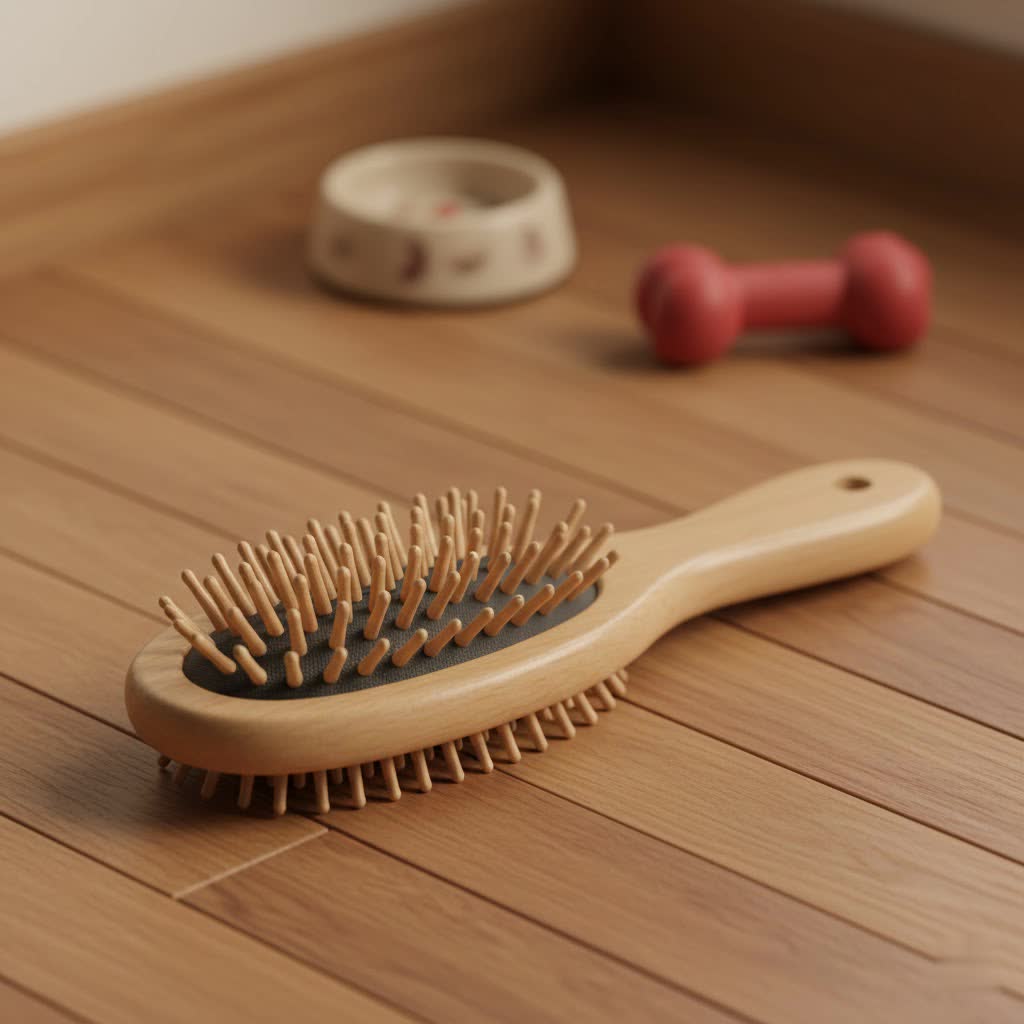
Are you tired of battling tangles, frizz, or flat hair, wondering if your hair brush is truly helping or hindering your hair goals? With a myriad of options available, selecting the perfect hair brush can feel overwhelming. Yet, this simple tool is pivotal for maintaining hair health, enhancing shine, and achieving your desired style. Understanding the diverse world of hair brushes and how to match them to your unique hair type and needs is the first step toward transforming your daily hair care routine into a ritual that truly benefits your locks.
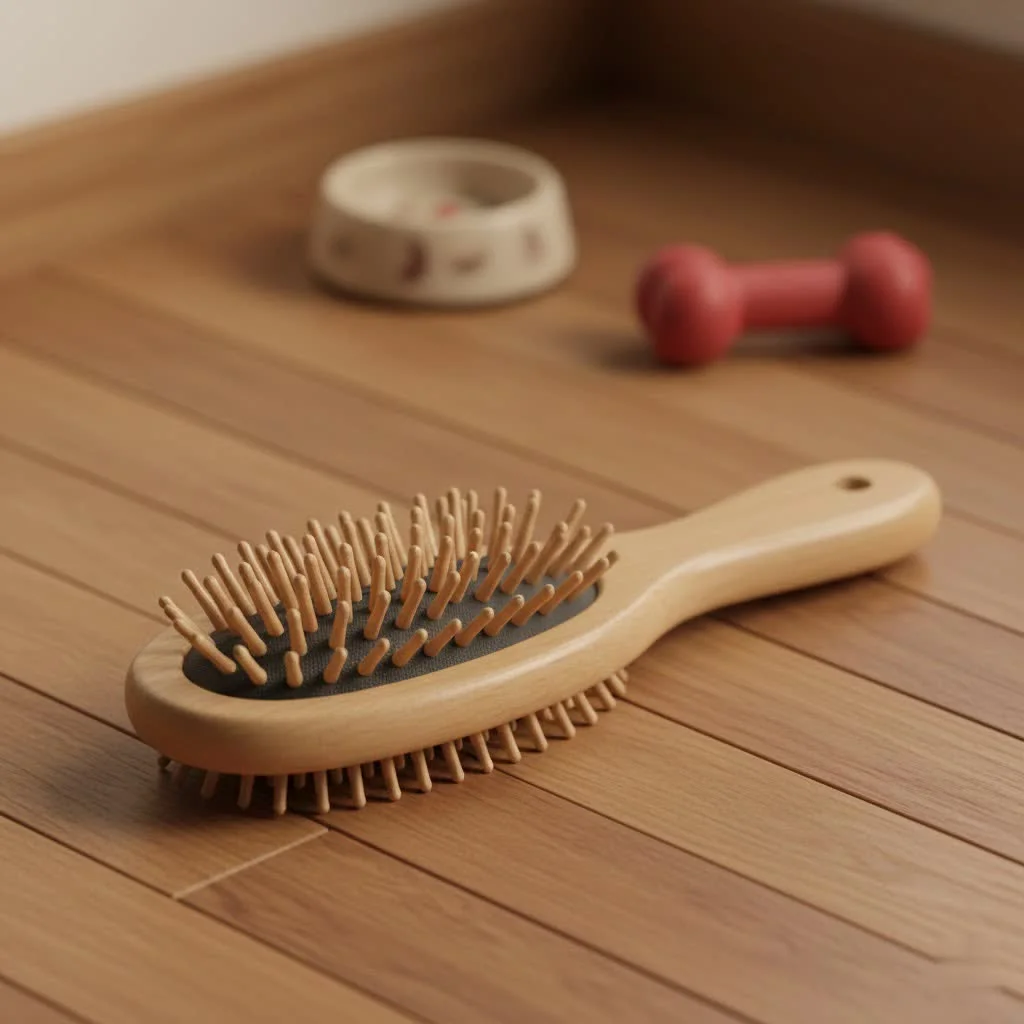
What is a Hair Brush? Why Do You Need a Good One?
A hair brush is an essential grooming tool designed to smooth, detangle, and style hair. From ancient combs crafted from natural materials to today’s technologically advanced brushes, its fundamental purpose has remained consistent: to manage and beautify hair. Beyond mere aesthetics, the right hair brush plays a crucial role in promoting overall hair and scalp health.
Proper brushing distributes natural oils from your scalp down to the ends of your hair, providing natural conditioning and shine. It also stimulates blood circulation in the scalp, which can support healthier hair growth. Furthermore, a good brush helps gently remove loose hair and product buildup, preventing breakage and maintaining a clean scalp environment. In essence, a quality hair brush isn’t just about styling; it’s about nurturing your hair from root to tip.
Popular Hair Brush Types and Their Uses
The market offers a specialized brush for almost every hair concern and styling desire. Let’s explore the most common types and their unique applications:
- Round Brushes: These cylindrical brushes are ideal for creating volume, waves, and curls during blow-drying. Smaller barrels produce tighter curls and more tension, while larger barrels offer looser waves and more body. Many feature ceramic or ionic technology to help reduce frizz and speed drying.
- Paddle Brushes: Characterized by their wide, flat, rectangular base, paddle brushes are excellent for detangling long, thick, or straight hair without static. Their large surface area allows for efficient brushing, smoothing the hair, and evenly distributing natural oils for a sleek finish.
- Detangling Brushes: Specifically designed with flexible bristles, often made of plastic or silicone, these brushes are perfect for gently working through wet or dry knots. They minimize breakage and tugging, making them a savior for fragile or easily tangled hair.
- Wide-Tooth Combs: While not technically brushes, wide-tooth combs are indispensable for detangling wet hair, especially for those with curly, wavy, or fragile strands. The widely spaced teeth prevent frizz and maintain natural curl patterns, reducing the risk of breakage when hair is most vulnerable.
- Boar Bristle Brushes: Made from natural boar hair, these brushes are renowned for their ability to distribute the scalp’s natural oils (sebum) throughout the hair shaft. This enhances natural shine, smoothness, and can reduce frizz. They are particularly beneficial for fine to normal hair, promoting health without pulling.
- Nylon Bristle Brushes: Often stiffer than boar bristles, nylon bristles are effective for penetrating thick hair to detangle and stimulate the scalp. They can be found in various brush types and are sometimes combined with boar bristles for a balanced approach.
- Mixed Bristle Brushes: Combining natural boar and synthetic nylon bristles, these brushes offer the best of both worlds. The nylon helps detangle thicker hair, while the boar bristles distribute oils and add shine, making them versatile for many hair types.
- Vented Brushes: Featuring openings in their base, vented brushes allow air to flow through freely, significantly speeding up blow-drying time. They are often used for quick drying and styling, reducing heat exposure.
- Teasing Brushes: Smaller brushes with dense bristles, teasing brushes are designed to create volume and lift at the roots by backcombing. They are perfect for updos or adding targeted fullness.
Detailed Comparison Table of Hair Brush Types
| Type of Brush | Common Material | Primary Use | Pros | Cons | General Price Range |
|---|---|---|---|---|---|
| Round Brush | Ceramic, Wood, Metal, Nylon | Volume, Curls, Blowouts | Creates body, speeds drying (ceramic/metal) | Can snag hair if used incorrectly, requires technique | Medium – High |
| Paddle Brush | Plastic, Wood, Rubber | Detangling, Smoothing, Straightening | Gentle on tangles, ideal for long/thick hair, reduces static (rubber base) | Less effective for volume, can be large for travel | Low – Medium |
| Detangling Brush | Plastic, Silicone | Wet/Dry Detangling, Minimizing Breakage | Glides through knots, gentle, prevents damage | Not designed for styling/volume | Low – Medium |
| Wide-Tooth Comb | Plastic, Wood | Detangling Wet/Curly Hair, Frizz Prevention | Preserves curl patterns, prevents breakage, distributes conditioner | Not for smoothing or styling dry hair | Very Low – Low |
| Boar Bristle | Boar Bristle (often wood handle) | Shine, Oil Distribution, Smoothing | Boosts shine, conditions naturally, gentle on scalp | May not penetrate very thick hair, can be pricey, requires frequent cleaning | Medium – High |
| Nylon Bristle | Nylon (plastic handle) | Detangling Thick Hair, Scalp Stimulation | Penetrates dense hair, durable, good for massage | Can cause static, may be too stiff for fine hair | Low – Medium |
| Mixed Bristle | Boar & Nylon | Versatile Detangling & Shine | Combines detangling power with shine-boosting properties, suits many hair types | Can still be pricey (e.g., Mason Pearson), requires regular cleaning | Medium – High |
| Vented Brush | Plastic | Faster Blow-Drying | Allows airflow for quicker drying, lightweight | Not ideal for precise styling or smoothing | Low – Medium |
How to Choose the Right Hair Brush for Your Hair Type
Selecting the ideal hair brush hinges on understanding your hair’s unique characteristics and your desired outcome.
- For Straight Hair: Paddle brushes are excellent for smoothing and detangling, ensuring a sleek finish and even oil distribution. If you want to add some lift, a medium-sized round brush used during blow-drying can create soft volume.
- For Curly or Wavy Hair: Begin with a wide-tooth comb for gentle detangling when hair is wet or damp to preserve your natural curl pattern and prevent frizz. For styling, a detangling brush can help define curls without breakage. A boar bristle brush can be used on dry curls for a polished, frizz-free finish.
- For Thick or Coarse Hair: Look for paddle brushes with firm, widely-spaced nylon or mixed bristles that can penetrate dense hair effectively without snagging. Vented brushes are also great for reducing drying time for thicker hair.
- For Fine or Thinning Hair: Opt for brushes with soft, flexible bristles, such as pure boar bristles or those with soft, ball-tipped synthetic pins. These are gentle on the scalp and delicate strands, preventing breakage and maximizing natural shine without pulling. A brush with a rubber-cushioned base can also provide a gentler experience by absorbing pressure.
- For Oily Hair: A boar bristle brush can help distribute excess oil from the scalp down the hair shaft, conditioning drier ends and reducing the appearance of oiliness at the roots. However, ensure regular brush cleaning.
- For Dry, Damaged, or Fragile Hair: Prioritize brushes with extremely soft and flexible bristles to minimize stress and breakage. Avoid stiff bristles or excessive tension, opting for detangling brushes or soft boar bristles.
- For Long Hair: Large paddle brushes are highly effective for brushing through extensive lengths, making detangling quicker and more manageable.
Proper Hair Brushing Techniques for Healthy Hair
Even with the perfect brush, incorrect technique can lead to damage. Here’s how to brush your hair effectively for optimal health:
- Start from the Ends: Always begin detangling at the ends of your hair, gently working your way up to the roots. This prevents pushing tangles downwards and creating larger knots, which can cause breakage.
- Brush Dry or Slightly Damp Hair: Hair is most fragile when wet. For wet hair, use a wide-tooth comb or a dedicated detangling brush. For most other brushes, it’s best to use them on dry or nearly dry hair to avoid stretching and breaking strands.
- Brush Regularly, Not Excessively: Brushing 2-3 times a day is generally sufficient to distribute oils and keep hair tangle-free. Overbrushing can lead to friction and damage.
- Clean Your Brush Regularly: A dirty brush can transfer old oils, product buildup, and dead skin back to your clean hair. Remove hair after each use and wash your brush weekly or bi-weekly with warm, soapy water.
- Incorporate Products: Use detangling sprays or leave-in conditioners before brushing to help the brush glide through hair more easily, especially if you have persistent tangles.
Where to Buy Hair Brushes and Price Considerations
Hair brushes are widely available, ranging from budget-friendly options to luxury investments. You can find them at:
- Drugstores and Supermarkets: Offer a wide array of basic and mid-range brushes.
- Beauty Supply Stores: Provide a more specialized selection, often with professional-grade tools.
- Department Stores and Specialty Boutiques: Feature high-end and designer hair brushes.
- Online Retailers: Offer the largest variety, allowing for easy comparison of prices and reviews.
Prices vary significantly based on material, brand, and craftsmanship. While you don’t always need the most expensive brush, investing in a high-quality brush made with durable materials can offer better performance, last longer, and be gentler on your hair in the long run. Consider your hair type and needs rather than just the price tag.
Buying Guide: Important Considerations When Purchasing a Hair Brush
Choosing the right hair brush is an investment in your hair’s health and appearance. Here are key factors to consider:
- Bristle Material: The type of bristle (boar, nylon, mixed, wood, ceramic) dictates the brush’s function. Boar bristles are excellent for shine and oil distribution, nylon for detangling thick hair, and mixed bristles offer versatility. Choose a material that aligns with your hair type and desired outcome.
- Brush Design and Shape:
- Paddle brushes are best for smoothing and detangling large sections.
- Round brushes are for styling and adding volume.
- Vented brushes speed up drying.
- Consider ergonomic handles for comfort during use.
- Size: The brush’s size should complement your hair length and styling needs. Larger brushes cover more surface area for long hair, while smaller round brushes are better for shorter hair or creating tighter curls. For travel, compact versions are ideal.
- Durability: A well-made brush will withstand daily use without bristles breaking or the handle cracking. Look for sturdy construction and quality materials.
- Brand Reputation: While not the only factor, reputable brands often have a track record of producing effective and durable hair tools. Researching reviews can provide insights into user satisfaction and product longevity.
Conclusion
Choosing the perfect hair brush is a personalized journey that significantly impacts your hair’s health and beauty. By understanding the various types, their specific benefits, and how they interact with different hair types, you can make an informed decision that elevates your hair care routine. Remember, the ideal brush isn’t just a tool; it’s an extension of your commitment to healthy, vibrant hair.
What kind of hair transformation are you hoping to achieve with the right brush?
Frequently Asked Questions
How often should I clean my hair brush?
|
Our Picks for the Best Hair Brush in 2026
As an Amazon Associate I earn from qualifying purchases.
|
||
| Num | Product | Action |
|---|---|---|
| 1 | Wet Brush Original Detangler Hair Brush, Amazon Exclusive Purple - Ultra-Soft IntelliFlex Bristles - Detangling Hairbrush Glides Through Tangles For Wet, Dry & Damaged Hair - Women, & Men |

|
| 2 | Conair Detangling Hair Brush Set 3 Pack, For Wet, Dry and All Hair Types, Detangling Brushes for Women in Blue, Pink, and Gray |
|
| 3 | Tangle Teezer Ultimate Detangler Brush for Wet & Dry Hair, Eliminates Knots & Reduces Breakage for All Hair Types, Millennial Pink |
|
| 4 | Wet Brush Detangling Brush, Original Detangler Brush (Sky) - Wet & Dry Tangle-Free Hair Brush for Women & Men - No Tangle Soft & Flexible Bristles for Straight, Curly, & Thick Hair |
|
| 5 | Wet Brush Original Detangler Hair Brush, Black Frost - Ultra-Soft IntelliFlex Bristles - Detangling Brush Glides Through Tangles For All Hair Types (Wet Dry & Damaged Hair) - Women & Men |
|
| 6 | GAINWELL Bamboo Hair Brush for Hair Growth, Natural Bamboo Bristles Detangling Wooden Paddle Hairbrush for Massaging Scalp, for Women Men and Kids, for All Hair Types, with Ergonomic Handle |
|
| 7 | Hair Brush Boar Bristle Hairbrush for Thick Curly Thin Long Short Wet or Dry Hair Adds Shine and Makes Hair Smooth, Best Paddle Hair Brush for Men Women Kids |
|
| 8 | 10 Pack Natural Bamboo Hair Brushes, Wooden Paddle Scalp Massage Brush with Round-Tipped Bristles for Stimulating Hair Growth, Anti-Static Detangling for Women, Men |
|
| 9 | Kitsch Detangler Brush – Flexible Curly Hair Brush for Women, Men & Kids - Detangling Hairbrush with Bendable Frame and Ultra-Smooth Bristles for Wet or Dry Strands - Soft Violet |
|
| 10 | Medium Round Brushing Brush - Ceramic Hair Brush for a Smooth Salon Style Look - Professional Brushing Brush Ideal for All Hair Types - 43 mm |
|
It’s recommended to clean your hair brush at least once a month, but ideally once a week if you frequently use styling products or have an oily scalp. Regular cleaning removes accumulated hair, dust, product residue, and oils, preventing them from transferring back to your clean hair and scalp.
Can I use the same brush for wet and dry hair?
While some detangling brushes are designed for both wet and dry use, it’s generally advisable to use a wide-tooth comb or a dedicated wet detangling brush on wet hair. Wet hair is more fragile and prone to breakage, and regular brushes can cause damage.
Do expensive hair brushes make a difference?
Often, yes. Higher-priced brushes typically feature superior materials, craftsmanship, and ergonomic designs that contribute to better performance, greater durability, and reduced hair damage. Natural bristles (like boar) in high-end brushes can offer unique benefits such as exceptional oil distribution and shine.
What are boar bristles good for?
Boar bristles are excellent for distributing the natural oils from your scalp down the hair shaft, which naturally conditions the hair, enhances shine, and smooths frizz. They are particularly beneficial for fine to normal hair and for achieving a healthy, polished look.
How do I know when to replace my hair brush?
You should consider replacing your hair brush when the bristles become bent, broken, or fall out, as damaged bristles can snag and harm your hair. Also, if the brush is discolored, smells, or feels waxy even after cleaning, it’s time for a new one, typically every 6 to 12 months depending on usage and quality.
Get our weekly buyer guide
Practical specs, not advice. Unsubscribe anytime.
