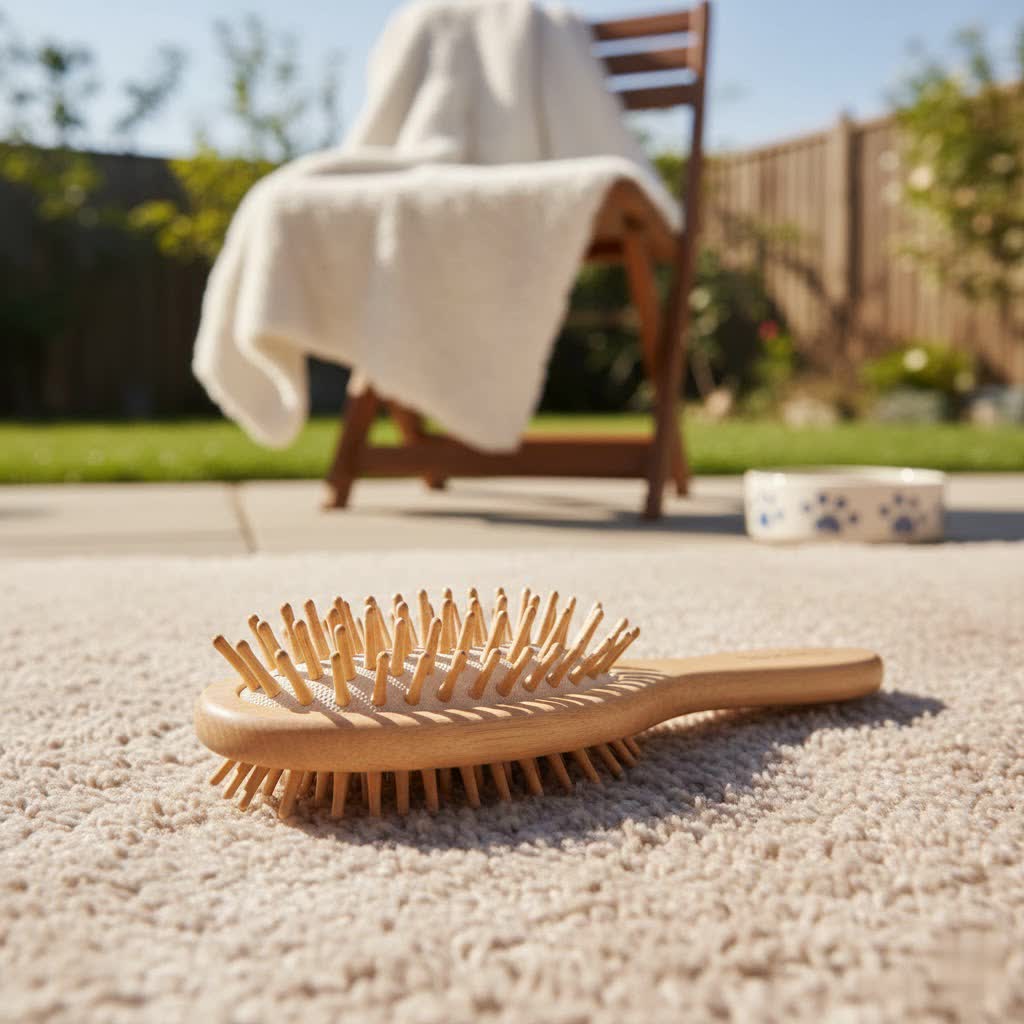
For anyone with gorgeous curls, the journey to perfectly defined, frizz-free hair often feels like a quest for the holy grail. While products play a significant role, the unsung hero in your hair care arsenal is often the humble brush. But not just any brush will do. Selecting the right curly hair brush can improve your routine, minimizing breakage, enhancing your natural curl pattern, and making styling a breeze. This comprehensive guide will navigate the world of curly hair brushes, helping you understand their types, benefits, and how to choose and use them for your unique locks.
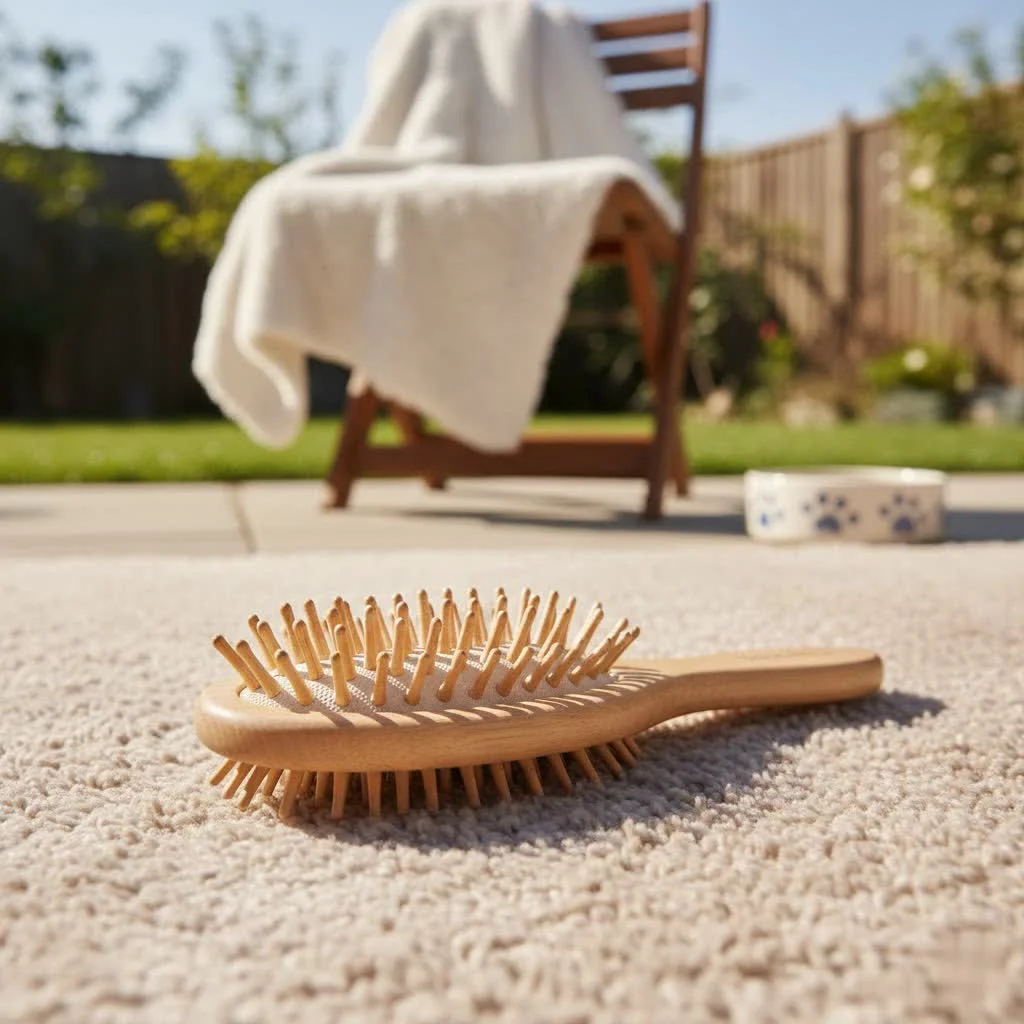
What is a Curly Hair Brush and Why Do You Need a Good One?
A curly hair brush is not merely a tool for detangling; it’s an essential instrument specifically engineered to cater to the unique structure and needs of curly hair. Unlike straight hair, curly strands are more delicate and prone to dryness and breakage due to their uneven fiber structure. Using a brush designed for straight hair on curls can disrupt the natural curl pattern, lead to excessive frizz, and cause damage.
The evolution of hair brushes has seen a significant shift from basic wooden combs to highly specialized tools. Modern curly hair brushes incorporate features like flexible bristles, wider spacing, and ergonomic designs to work harmoniously with your curls. A good curly hair brush is paramount for several reasons: it gently detangles knots without causing breakage, helps distribute styling products evenly, defines individual curl clumps, and significantly reduces frizz, leaving your curls healthier, bouncier, and more vibrant.
Popular Curly Hair Brush Types and Their Benefits
The market offers a diverse range of brushes, each with distinct advantages for different curl concerns. Understanding these types is the first step toward finding your ideal match.
- Wide-Tooth Comb: Often the first line of defense for curly hair, a wide-tooth comb is indispensable for gentle detangling, especially on wet hair. Its generously spaced teeth prevent snagging and pulling, helping to maintain your curl pattern while working through knots. This tool is particularly effective for those with loose waves to tighter coils.
- Detangling Brush: These brushes feature flexible, widely-spaced bristles that bend and glide through knots, minimizing tension and reducing breakage. Popular examples like the Tangle Teezer or Wet Brush are designed to be used on wet or damp hair, making them excellent for in-shower detangling or product application. They mimic finger detangling, ensuring a gentle approach.
- Denman Brush: A cult favorite in the curly hair community, the Denman brush (often the D3 or D4 model) is renowned for its ability to define and clump curls. Its firm, widely-spaced nylon pins are excellent for smoothing the hair cuticle and creating uniform curl patterns. It’s especially effective for individuals with tighter curls (3A-3C) seeking enhanced definition.
- Paddle Brush: While some paddle brushes can be too harsh, those with ball-tipped nylon bristles can be surprisingly effective for detangling and distributing product through looser curls. They offer a larger surface area, which can be beneficial for quickly working through sections of hair without flattening waves.
- Boar Bristle Brush (or Vegan Boar Bristle): Primarily known for distributing natural oils from the scalp to the ends, adding shine, and smoothing the hair, traditional boar bristle brushes are generally recommended for fine-to-medium straight or wavy hair. However, specialized vegan boar bristle brushes can be used carefully on curly hair for smoothing the cuticle, reducing frizz, and adding shine, particularly when blow-drying or stretching certain coil types, rather than for primary detangling.
- Curl Defining Brush (e.g., Bounce Curl Defining Brush): These innovative brushes are engineered to enhance natural wave, curl, and coil patterns. They often feature a unique design that allows for effortless smoothing, defining, and even creating elegant ringlets, all while preventing frizz. Many are made from bio-based materials with vegan bristles, catering to conscious consumers.
Detailed Comparison: Choosing the Right Brush for Your Curls
|
Our Picks for the Best Hair Brush in 2026
As an Amazon Associate I earn from qualifying purchases.
|
||
| Num | Product | Action |
|---|---|---|
| 1 | Wet Brush Original Detangler Hair Brush, Amazon Exclusive Purple - Ultra-Soft IntelliFlex Bristles - Detangling Hairbrush Glides Through Tangles For Wet, Dry & Damaged Hair - Women, & Men |

|
| 2 | 10 Pack Natural Bamboo Hair Brushes, Wooden Paddle Scalp Massage Brush with Round-Tipped Bristles for Stimulating Hair Growth, Anti-Static Detangling for Women, Men |
|
| 3 | Wet Brush Detangling Brush, Original Detangler Brush (Sky) - Wet & Dry Tangle-Free Hair Brush for Women & Men - No Tangle Soft & Flexible Bristles for Straight, Curly, & Thick Hair |
|
| 4 | Wet Brush Original Detangler Hair Brush, Black Frost - Ultra-Soft IntelliFlex Bristles - Detangling Brush Glides Through Tangles For All Hair Types (Wet Dry & Damaged Hair) - Women & Men |
|
| 5 | Hair Brush Boar Bristle Hairbrush for Thick Curly Thin Long Short Wet or Dry Hair Adds Shine and Makes Hair Smooth, Best Paddle Hair Brush for Men Women Kids |
|
| 6 | Conair Detangling Hair Brush Set 3 Pack, For Wet, Dry and All Hair Types, Detangling Brushes for Women in Blue, Pink, and Gray |
|
| 7 | GAINWELL Bamboo Hair Brush for Hair Growth, Natural Bamboo Bristles Detangling Wooden Paddle Hairbrush for Massaging Scalp, for Women Men and Kids, for All Hair Types, with Ergonomic Handle |
|
| 8 | Kitsch Detangler Brush – Flexible Curly Hair Brush for Women, Men & Kids - Detangling Hairbrush with Bendable Frame and Ultra-Smooth Bristles for Wet or Dry Strands - Soft Violet |
|
| 9 | Tangle Teezer Ultimate Detangler Brush for Wet & Dry Hair, Eliminates Knots & Reduces Breakage for All Hair Types, Millennial Pink |
|
| 10 | Medium Round Brushing Brush - Ceramic Hair Brush for a Smooth Salon Style Look - Professional Brushing Brush Ideal for All Hair Types - 43 mm |
|
Selecting the perfect brush hinges on understanding its characteristics and how they align with your hair’s unique needs.
| Brush Type | Best For | Bristle Type/Material | Pros | Cons | Price Range |
|---|---|---|---|---|---|
| Wide-Tooth Comb | All curl types, detangling, wet hair | Plastic, Wood | Gentle detangling, prevents breakage, maintains curl pattern, inexpensive | Not ideal for styling or defining, minimal frizz reduction | Low |
| Detangling Brush | All curl types, wet hair, reducing breakage | Flexible Nylon | Glides through knots, minimizes tension, reduces breakage, good for product distribution | Less effective for precise curl definition | Low – Medium |
| Denman Brush | Tight curls (3A-3C), curl definition, clumping | Firm Nylon | Excellent for defining curls, creating uniform clumps, smoothing frizz | Can be too firm for very fragile or coily hair if used improperly, requires specific technique | Medium |
| Paddle Brush | Loose waves, detangling, product distribution | Ball-tipped Nylon | Covers large areas, gentle detangling (with appropriate bristles), distributes product evenly | Can flatten curl pattern if not used carefully, some bristles may cause static | Low – Medium |
| Boar Bristle Brush | Smoothing, shine, oil distribution (with caveats) | Boar, Vegan Boar | Adds shine, distributes natural oils, smooths cuticle, great for blow-drying/stretching | Can cause frizz if used dry on curls, may not effectively detangle tight curls, not ideal for sensitive scalps | Medium – High |
| Curl Defining Brush | All curl types, enhancing natural pattern, styling | Bio-based, Vegan | Defines, smooths, prevents frizz, helps clump curls, creates ringlets, versatile for styling | Can be a higher price point, specific techniques may be required | Medium – High |
How to Choose the Perfect Curly Hair Brush for Your Hair Type
Choosing the right brush is a personalized experience, largely dependent on your specific curl pattern and hair concerns.
- For Loose Waves (2A-2C): If your hair has a gentle wave pattern, a wide-tooth comb or a paddle brush with soft, flexible bristles will help detangle without flattening your natural texture. These tools allow your waves to maintain their soft, flowing shape.
- For Tight Curls (3A-3C): Those with tighter, more defined curls will benefit greatly from a Denman brush or a dedicated detangling brush to help define and clump curls effectively. Brushes featuring a mix of wide and narrow bristles can also aid in both definition and gentle detangling.
- For Coily Hair (4A-4C): Coily hair is often the most delicate and prone to breakage. A wide-tooth comb or a detangling brush with widely-spaced, flexible bristles is crucial for gently working through knots without causing damage. Some stylists also recommend natural bristles for detangling and smoothing coily hair, but extreme care must be taken.
- Thick vs. Fine Curls: If you have thick, dense curls, look for brushes with sturdy yet flexible bristles that can penetrate through your hair. For finer curls, a paddle brush or a detangling brush with softer bristles will provide enough support without overwhelming your strands.
- Bristle Material & Spacing: Nylon bristles are generally recommended for thick, curly, or tightly coiled strands due to their durability and ability to glide through hair. Flexible, widely-spaced bristles are key for reducing breakage and mimicking finger detangling. Carbon bristles can offer heat resistance and anti-static properties.
- Purpose: Consider your primary goal. Is it gentle detangling, creating defined curl clumps, adding volume, or smoothing frizz? Different brushes excel at different tasks. For example, a detangling brush is great for knots, while a Denman brush shines for definition.
The Art of Brushing Curly Hair: A Step-by-Step Guide
Brushing curly hair is an art that, when mastered, can unlock your curls’ full potential. The cardinal rule is simple: always brush your curly hair when it’s wet or damp, never dry. Brushing dry curls is a surefire way to invite frizz, disrupt your curl pattern, and cause breakage.
- Prep Your Hair: Start with freshly washed hair. After rinsing out your conditioner, apply a generous amount of leave-in conditioner or a detangling spray. This provides essential slip, making it easier for the brush to glide through knots and minimizing friction.
- Section Your Hair: To ensure thorough and gentle detangling, divide your hair into manageable sections. Use hair clips to keep the unbrushed sections separate. This prevents tangles from reforming and allows you to focus on one section at a time.
- Master the Technique: Begin brushing from the ends of your hair, gently working your way up towards the roots. This method allows you to untangle knots progressively without pulling or tugging at the scalp. Always be gentle and patient, ensuring each section is fully detangled before moving on. Avoid pulling or tugging aggressively, as this can lead to damage.
- Define Your Curls: Once detangled, you can use your chosen styling brush (like a Denman or curl defining brush) to enhance your curl pattern. For best results, brush styling involves applying even pressure from the root all the way to the ends of the hair strand. This helps to smooth the cuticle, clump curls, and lock in definition, contributing to longer-lasting styles and less frizz.
- Post-Brushing Care: After brushing, gently scrunch your curls upwards to encourage their natural shape. You can then air dry your hair or use a diffuser on a low heat and speed setting to dry your curls without disturbing the pattern. Finish with a light curl cream or serum to seal in moisture and provide extra definition and hydration throughout the day.
Common Mistakes to Avoid:
- Brushing dry hair: This is the most common culprit for frizz and damage.
- Starting at the roots: Always begin detangling from the ends to prevent creating larger, more stubborn knots.
- Aggressive tugging: Be gentle! Curly hair is fragile, especially when wet.
- Uneven pressure: When brush styling, inconsistent pressure can lead to straightened ends instead of defined curls.
Where to Buy Curly Hair Brushes and Price Insights
Curly hair brushes are widely available, catering to every budget and preference. You can find them at major beauty retailers, department stores, and even some drugstores.
- In-Store: Beauty supply stores like Ulta Beauty or Sephora often have a wide selection, allowing you to feel the bristles and see the brush size in person. Large retailers like Target or Walmart also stock popular, budget-friendly options.
- Online: E-commerce giants such as Amazon offer an extensive range, often with customer reviews that can guide your decision. Many specialized curly hair care brands, like Bounce Curl or Pattern Beauty, sell their brushes directly through their websites. Always compare prices and read reviews before making a purchase.
- Price Range: Prices can vary significantly. Basic wide-tooth combs and detangling brushes might cost anywhere from $5 to $25. Mid-range options, including popular Denman brushes or more specialized detanglers, typically fall between $15 and $40. High-end or luxury brushes, especially those from premium brands or with unique designs, can range from $50 to over $200.
Some notable brands recommended for curly hair brushes include Denman, Tangle Teezer, Wet Brush, Bounce Curl, Felicia Leatherwood, and Pattern by Tracee Ellis Ross.
Buying Guide: Key Considerations for Your Next Curly Hair Brush
Navigating the options can be overwhelming, but focusing on these key aspects will help you make an informed choice.
- Hair Type & Curl Pattern: This is the most critical factor. As discussed, different curl patterns (wavy, loose, tight, coily) require specific bristle types and spacing. A brush suitable for wavy hair might not offer enough definition or gentle detangling for coily hair.
- Bristle Material & Flexibility: Look for flexible, gentle bristles, typically nylon or bio-based, that can bend and move through your hair rather than pulling it. Ensure the bristles are widely spaced for better detangling and curl preservation.
- Handle & Ergonomics: A comfortable, non-slip handle is essential, especially when your hands are wet with product. The brush should feel balanced and easy to maneuver through sections of your hair.
- Durability: Invest in a well-made brush that can withstand consistent use, especially on thick or very curly hair. Quality materials will ensure longevity and prevent bristles from falling out prematurely.
- Brand Reputation: Brands specializing in curly hair products often have a deeper understanding of what works best for textured hair. Researching trusted names in the curly hair community can lead you to reliable choices.
- Specific Needs: Are you primarily looking for a brush to detangle in the shower, define your curls for styling, add volume, or smooth frizz? Some brushes are multi-purpose, while others are highly specialized. Align your purchase with your most pressing hair care needs.
> “The right brush can be a major upgrade for curly hair. It’s not just about detangling; it’s about respecting your curl pattern and enhancing its natural beauty.” – Admin, reviewpinjol.com, Hair Care Expert
Finding the perfect curly hair brush can truly improve your hair care routine, transforming tangled, frizzy strands into beautifully defined, healthy curls. By understanding your specific curl type, the various brush designs available, and the correct brushing techniques, you can make an informed decision that elevates your curly hair journey. a gentle approach and the right tools are your allies in achieving the bouncy, vibrant curls you desire. What’s one thing you wish you knew about curly hair brushes sooner?
Frequently Asked Questions
Can I brush curly hair dry?
No, it is highly recommended to only brush curly hair when it is wet or damp and coated with a leave-in conditioner or detangler. Brushing dry curly hair will almost certainly lead to frizz, breakage, and a disruption of your natural curl pattern, making your curls lose their shape.
What’s the difference between a wide-tooth comb and a detangling brush for curls?
A wide-tooth comb is excellent for very gentle detangling and is often used first in the shower, especially for all curl types. A detangling brush, like a Tangle Teezer, features more flexible bristles designed to glide through knots with less pulling, often offering more surface area than a comb, and is also used on wet hair to minimize breakage.
How often should I brush my curly hair?
Most curly-haired individuals only brush their hair on wash days, when it’s wet and coated with conditioner, to detangle and define. Brushing too frequently, especially between washes or when dry, can disrupt curl clumps and lead to frizz. Brushing can also be done to revitalize curls between washes, but only when damp.
Do boar bristles work for curly hair?
Traditional boar bristles are generally better for distributing natural oils and smoothing straight or wavy hair. For curly hair, boar bristles can add shine and smooth the cuticle, particularly when blow-drying or stretching certain coil types. However, they are typically not recommended for detangling dense or super-curly hair on their own as they can cause frizz and may not penetrate effectively.
How do I clean my curly hair brush?
To clean your curly hair brush, first, remove any loose hair caught in the bristles. Then, gently wash the brush with warm water and a mild shampoo or soap. You can use an old toothbrush to scrub away any product buildup on the bristles and base. Rinse thoroughly and allow it to air dry completely, ideally bristles-down, to prevent mold and mildew.
What does a Denman brush do for curly hair?
The Denman brush is popular for curly hair primarily because it helps to define and clump curls, creating a more uniform and polished look. Its firm, widely-spaced nylon pins are excellent for smoothing the hair cuticle, reducing frizz, and enhancing the natural curl pattern, making it a favorite for styling tighter curl types.
Get our weekly buyer guide
Practical specs, not advice. Unsubscribe anytime.
