Finding the perfect hairbrush can feel like searching for a needle in a haystack, especially when you desire those perfectly smooth, sleek straight strands. As an expert who has spent over a decade evaluating personal care products, particularly hairbrushes, I understand the nuances that differentiate a good brush from an exceptional one. Your hairbrush is more than just a tool; it’s an extension of your hair care routine, directly impacting the health, shine, and manageability of your straight hair. This comprehensive guide will unravel the mysteries of hairbrushes, helping you identify the ideal companion for your straight hair, ensuring it looks its best every single day.
What is a Hair Brush? Why a Good Brush Matters for Straight Hair
A hair brush is an essential grooming tool designed to detangle, smooth, style, and clean the hair. While simple in concept, its evolution spans centuries, from rudimentary combs to sophisticated designs tailored for specific hair needs. For straight hair, in particular, a high-quality brush is paramount. Straight hair, by its nature, can often appear sleek and well-behaved, but it’s also prone to tangles, static, and can easily show damage if not cared for correctly. For see our hair brush recommendations on this site.
Proper brushing does more than just straighten your locks; it stimulates the scalp, encouraging blood flow which is vital for healthy hair growth. It also helps distribute the natural oils (sebum) produced by your scalp from roots to ends, providing natural conditioning and a healthy sheen, which is especially noticeable on straight hair. Using the wrong brush or incorrect technique can lead to breakage, frizz, split ends, and a lackluster appearance, undermining all your efforts to maintain beautiful, healthy straight hair.
Types of Hair Brushes for Straight Hair and Their Uses
The market offers a bewildering array of hairbrushes, each designed for specific purposes and hair types. For straight hair, understanding these distinctions is key to making an informed choice.
Paddle Brushes
These are characterized by their broad, flat, and often rectangular head. Paddle brushes are exceptionally versatile and are a go-to for detangling, smoothing, and reducing static in long, thick, or frizzy straight hair. Their large surface area allows for efficient detangling without excessive pulling or breakage. They are also excellent for blow-drying straight styles, creating a sleek finish.
Boar Bristle Brushes
Composed of natural boar bristles, these brushes are renowned for their ability to distribute natural scalp oils from root to tip, enhancing shine and smoothness. They are particularly gentle, making them ideal for fine or thin straight hair, detangling without causing undue stress or pulling. Some brushes combine boar bristles with nylon pins for enhanced detangling power while retaining the oil-distributing benefits.
Detangling Brushes (Wet Brush, Tangle Teezer Style)
|
Our Picks for the Best Hair Brush in 2026
As an Amazon Associate I earn from qualifying purchases.
|
||
| Num | Product | Action |
|---|---|---|
| 1 | Wet Brush Original Detangler Hair Brush, Black Frost - Ultra-Soft IntelliFlex Bristles - Detangling Brush Glides Through Tangles For All Hair Types (Wet Dry & Damaged Hair) - Women & Men |

|
| 2 | Hair Brush Boar Bristle Hairbrush for Thick Curly Thin Long Short Wet or Dry Hair Adds Shine and Makes Hair Smooth, Best Paddle Hair Brush for Men Women Kids |
|
| 3 | Conair Detangling Hair Brush Set 3 Pack, For Wet, Dry and All Hair Types, Detangling Brushes for Women in Blue, Pink, and Gray |
|
| 4 | Wet Brush Original Detangler Hair Brush, Amazon Exclusive Purple - Ultra-Soft IntelliFlex Bristles - Detangling Hairbrush Glides Through Tangles For Wet, Dry & Damaged Hair - Women, & Men |
|
| 5 | Kitsch Detangler Brush – Flexible Curly Hair Brush for Women, Men & Kids - Detangling Hairbrush with Bendable Frame and Ultra-Smooth Bristles for Wet or Dry Strands - Soft Violet |
|
| 6 | Medium Round Brushing Brush - Ceramic Hair Brush for a Smooth Salon Style Look - Professional Brushing Brush Ideal for All Hair Types - 43 mm |
|
| 7 | Wet Brush Detangling Brush, Original Detangler Brush (Sky) - Wet & Dry Tangle-Free Hair Brush for Women & Men - No Tangle Soft & Flexible Bristles for Straight, Curly, & Thick Hair |
|
| 8 | GAINWELL Bamboo Hair Brush for Hair Growth, Natural Bamboo Bristles Detangling Wooden Paddle Hairbrush for Massaging Scalp, for Women Men and Kids, for All Hair Types, with Ergonomic Handle |
|
| 9 | 10 Pack Natural Bamboo Hair Brushes, Wooden Paddle Scalp Massage Brush with Round-Tipped Bristles for Stimulating Hair Growth, Anti-Static Detangling for Women, Men |
|
| 10 | Tangle Teezer Ultimate Detangler Brush for Wet & Dry Hair, Eliminates Knots & Reduces Breakage for All Hair Types, Millennial Pink |
|
Designed with flexible plastic bristles that gently separate knots without pulling or snagging, these brushes are perfect for easily tangled straight hair. Many detangling brushes, like the popular Wet Brush, are designed to be used on both wet and dry hair, making them excellent for post-shower detangling when hair is most vulnerable to breakage. Some users find certain detangling brush designs more effective at preventing breakage than others, such as those with unique finger-like designs.
Wide-Tooth Combs
While not strictly a “brush,” a wide-tooth comb is an indispensable tool for straight hair, especially when wet. The wider spacing between the teeth allows for gentle detangling of damp hair, minimizing breakage when hair is most fragile. They are particularly beneficial for long straight hair to prevent split ends and general damage.
Round Brushes
While primarily used for styling to add volume, curls, or waves, round brushes can also play a role in creating a sleek, polished look for straight hair when blow-drying. Different barrel sizes achieve different effects; larger barrels can help smooth and add subtle body without creating curls, making them suitable for achieving a bouncy, straight style.
Wooden Brushes
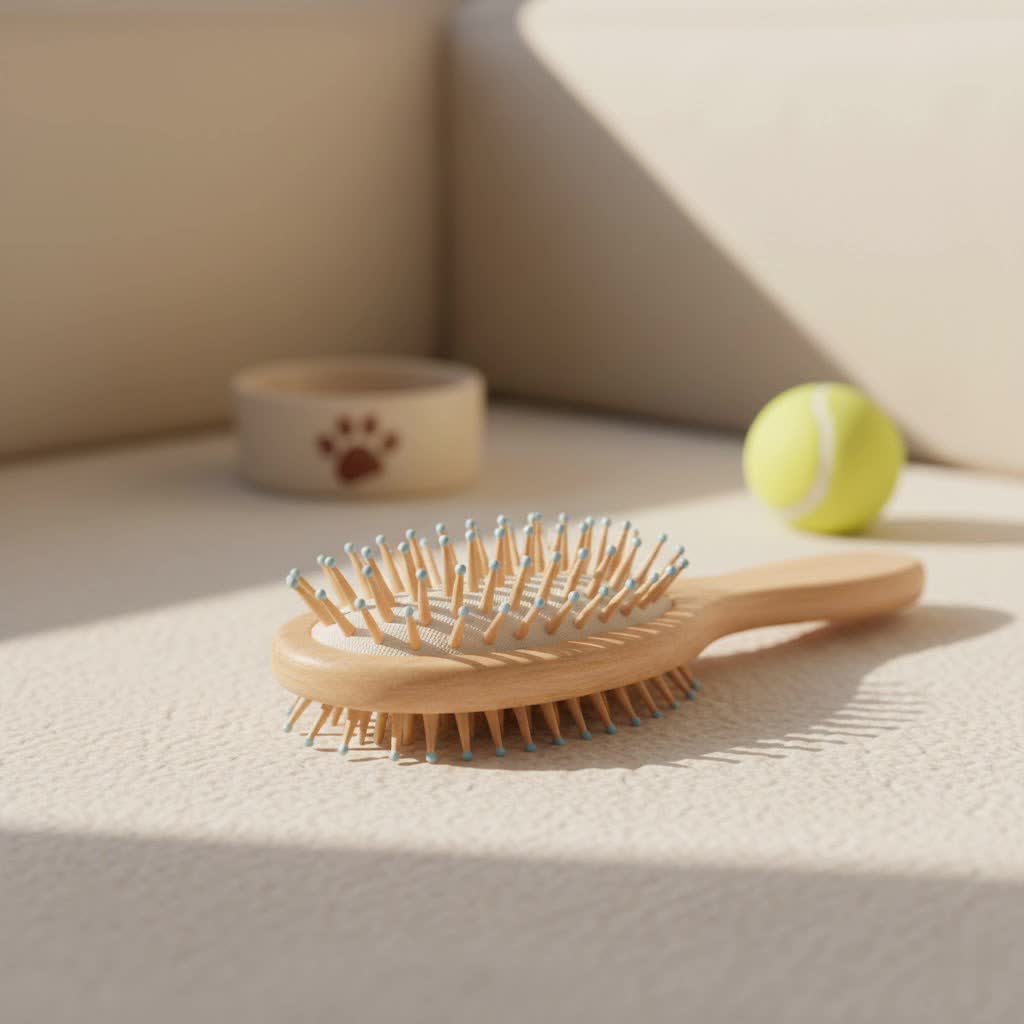
Often featuring wooden pins, these brushes are known for being gentle on the scalp and hair. They help reduce static electricity and can aid in distributing natural oils. Wooden brushes are excellent for overall hair health, contributing to less snagging and breakage, especially in medium-length and long straight hair.
Detailed Comparison Table of Hair Brushes for Straight Hair
| Brush Type | Hair Type (Straight) | Key Benefit | Common Material | Pros | Cons | Best Use |
|---|---|---|---|---|---|---|
| Paddle Brush | All straight types, especially long, thick, frizzy | Detangling, Smoothing, Anti-static | Plastic, Wood, Rubber cushion | Efficient, creates sleek blowouts, covers large areas | Can be less gentle on very fine hair if used harshly | Daily brushing, blow-drying straight styles |
| Boar Bristle Brush | Fine, Thin, Normal straight | Adds Shine, Distributes Oils | Natural Boar Bristles (sometimes mixed with nylon) | Gentle, adds luster, promotes scalp health | Can struggle with thick tangles, harder to clean | Finishing, adding shine, gentle detangling |
| Detangling Brush | All straight types, especially tangled, fragile | Gentle Detangling (wet or dry) | Flexible Plastic Bristles | Minimizes breakage, works on wet hair, scalp-friendly | Not ideal for styling or adding shine/volume | Post-wash detangling, daily tangle removal |
| Wide-Tooth Comb | All straight types, especially wet, fragile, long | Gentle Detangling | Plastic, Wood | Prevents breakage on wet hair, good for product distribution | Not a “brush,” limited styling capabilities | Detangling wet hair, distributing conditioner |
| Round Brush | All straight types (for styling) | Styling, Volume, Smoothing | Ceramic, Metal, Wood (with various bristle types) | Creates bouncy volume, smooth ends during blow-dry | Requires technique, can cause damage if overheating | Blow-drying for volume or sleekness |
| Wooden Brush | All straight types, especially dry, brittle | Reduces Static, Oil Distribution | Wood (handle and pins) | Environmentally friendly, gentle, static reduction | Can be less effective on stubborn tangles | Gentle daily brushing, scalp massage |
How to Choose the Right Brush for Your Straight Hair Type
Selecting the ideal brush for your straight hair involves understanding its unique characteristics and needs. No two heads of hair are exactly alike, even within the “straight” category.
- Fine/Thin Straight Hair: Opt for gentle options. Boar bristle brushes are excellent for distributing oils and adding shine without pulling. Detangling brushes with flexible bristles can gently work through knots, minimizing breakage that fine hair is prone to. Avoid brushes with stiff, aggressive bristles.
- Thick/Long Straight Hair: Paddle brushes are your best friend here. Their large surface area and sturdy bristles can efficiently detangle and smooth long, dense strands. A wide-tooth comb is also invaluable for detangling after washing, preventing knots from becoming unmanageable.
- Easily Tangled Straight Hair: Detangling brushes, such as those from brands like Wet Brush or Tangle Teezer, are specifically engineered to glide through knots with minimal tugging. Look for brushes with flexible, widely spaced pins. Starting from the ends and slowly working your way up is crucial.
- Oily Straight Hair: A boar bristle brush can be highly beneficial. It helps to evenly distribute the natural oils from your scalp down the hair shaft, effectively cleansing the scalp and conditioning the ends. This can help reduce the appearance of oiliness at the roots while hydrating drier ends.
- Dry/Brittle Straight Hair: Gentle detangling brushes and wooden brushes are recommended. The goal is to minimize friction and breakage. Boar bristles can also help, as they distribute natural conditioning oils. Avoid brushes with sharp metal pins or very stiff bristles that can snag and damage fragile hair.
- Styling Straight Hair: For a sleek, smooth finish with a blow dryer, a paddle brush is excellent. If you want to add some volume or a slight bend to your straight hair, a large round brush used carefully during blow-drying can achieve this without compromising straightness.
Proper Brushing Techniques for Healthy Straight Hair
Even the best brush won’t deliver optimal results if not used correctly. Mastering proper brushing techniques is vital for maintaining healthy, beautiful straight hair.
- Start from the Ends, Work Your Way Up: This is perhaps the most important rule. Begin by gently brushing out tangles from the very ends of your hair. Once the ends are smooth, move a few inches higher and repeat, gradually working your way up to the roots. This prevents pushing tangles downwards and creating larger, more stubborn knots that can lead to breakage.
- Brush Dry or Damp (Not Soaking Wet): Straight hair is most vulnerable when wet. For general brushing and styling, aim to brush when your hair is dry or only slightly damp. If you must detangle wet hair, always use a wide-tooth comb or a dedicated wet detangling brush and be extra gentle.
- Brush Regularly, But Don’t Overdo It: Brushing your straight hair once or twice a day (morning and evening) is generally sufficient. This helps distribute natural oils, stimulates the scalp, and removes loose hairs and debris. Excessive brushing can cause friction and damage, especially if done aggressively.
- Clean Your Brush Regularly: A dirty brush is ineffective and can redeposit old product, oil, and dead skin back onto your clean hair. Remove trapped hair after each use, and deep clean your brush once a week or every two weeks using a gentle shampoo and warm water. Allow it to air dry completely before using.
- Use Complementary Hair Products: Pair your brushing routine with suitable hair products. A good detangling spray can significantly ease the process for tangled hair. For dry hair, a leave-in conditioner can add slip and protection. For frizz, an anti-frizz serum applied before brushing can enhance smoothness.
Where to Buy Hair Brushes for Straight Hair? Price & Brands
Hair brushes are widely available, ranging from budget-friendly to luxury options. You can find them at local drugstores, supermarkets, beauty supply stores, and department stores. Online retailers like Amazon, Ulta Beauty, Sephora, and specialized hair care websites offer an even broader selection, often with customer reviews that can help guide your purchase.
Prices for hair brushes can vary significantly, from under $10 for basic models to over $100 for high-end professional or artisan-made brushes. Detangling brushes are typically in the $10-$20 range. Paddle brushes vary widely based on material and brand, from $15-$50. Boar bristle brushes can be more expensive, often starting from $20 and going much higher for pure boar bristles. Investing in a good quality brush is worthwhile, as it can last for years and significantly impact your hair’s health.
Some well-regarded brands to consider, known for producing quality brushes for various hair types including straight hair, include: Dyson (for premium paddle brushes), Wet Brush (for detangling), Tangle Teezer (for detangling), Kent Brushes (variety including paddle and boar bristle), Olivia Garden (for styling and detangling), TEK (for wooden brushes), and GHD. Remember to research reviews and ensure the specific brush aligns with your hair’s needs.
Buying Guide: Important Considerations When Purchasing a Hair Brush
Choosing the “best” brush is a personal journey, but keeping these factors in mind will help you make an informed decision for your straight hair.
- Bristle Type: The bristles are the most crucial component.
- Nylon Pins: Excellent for detangling, especially when combined with a soft tip.
- Boar Bristles: Best for shine, oil distribution, and gentle brushing on fine hair.
- Mixed Bristles: Often a combination of boar and nylon, offering benefits of both for all-around performance.
- Wooden Pins: Gentle, anti-static, and good for scalp massage.
- Brush Shape and Size:
- Paddle: Ideal for larger sections of straight hair, detangling, and smoothing.
- Round: For styling, adding volume, or creating slight bends. Choose a larger barrel for straighter styles with minimal curl.
- Vent: Allows air to flow through, speeding up blow-drying (useful for quickly rough-drying straight hair).
- Compact Detanglers: Great for travel or quick touch-ups on the go.
- Handle Comfort & Grip: A comfortable handle prevents hand fatigue and allows for better control, especially during longer styling sessions. Look for ergonomic designs and non-slip grips.
- Material Quality & Durability: A well-made brush will withstand daily use without bristles bending or falling out, or the handle breaking. Consider brushes made from durable plastics, quality wood, or sturdy composites.
- Scalp Comfort: Bristle tips should be smooth and rounded to prevent scratching or irritating your scalp. Some brushes feature air-cushion bases that flex with your scalp, providing a gentler brushing experience.
“The right hairbrush is not just a tool; it’s an investment in your hair’s health and appearance. It can transform dull, tangled strands into a sleek, vibrant mane.” – Dr. Elena Petrova, Hair Care Specialist
Conclusion
The quest for the best brush for straight hair doesn’t have to be daunting. By understanding your specific hair type—whether it’s fine, thick, long, easily tangled, or prone to oiliness—you can pinpoint the brush that will serve your needs most effectively. From the smoothing power of a paddle brush to the gentle detangling of a Wet Brush or the shine-enhancing magic of a boar bristle brush, there’s a perfect match out there for every straight hair journey. Remember, proper technique combined with the right tool is the secret to unlocking your hair’s full potential, ensuring it remains healthy, strong, and beautifully smooth. What steps will you take today to find your ultimate hairbrush companion?
Frequently Asked Questions
Can I use a boar bristle brush on fine straight hair?
Yes, boar bristle brushes are actually excellent for fine straight hair. Their natural bristles are gentle, reducing the risk of breakage, and they effectively distribute natural oils, adding shine and helping to keep fine hair from looking limp without weighing it down.
Is it bad to brush straight hair when wet?
Brushing straight hair when it’s soaking wet can cause damage and breakage because hair is most fragile in this state. It’s best to gently detangle with a wide-tooth comb or a specialized detangling brush designed for wet hair, starting from the ends and working your way up.
How often should I brush my straight hair?
Brushing your straight hair once or twice a day is generally sufficient. This helps to detangle, smooth, distribute natural oils, and stimulate the scalp. Over-brushing can lead to friction and potential damage, especially if done aggressively.
What’s the best brush for static in straight hair?
To combat static in straight hair, look for brushes with natural boar bristles or wooden pins, as these materials are less likely to generate static electricity compared to some plastic brushes. Additionally, using a leave-in conditioner or anti-frizz serum can help.
How do I clean a hair brush?
Regularly remove loose hair from your brush after each use. For a deeper clean, remove all hair, then wash the brush with a mild shampoo or soap and warm water. Gently scrub the bristles, rinse thoroughly, and allow it to air dry completely with the bristles facing down to prevent water from collecting in the cushion.
Get our weekly buyer guide
Practical specs, not advice. Unsubscribe anytime.

I appreciated the breakdown of different brush types for straight hair. I decided to try a mixed bristle brush after reading about how it combines detangling with smoothing. It’s been great for reducing breakage when my hair is wet, and I’ve noticed less pulling. My hair definitely feels healthier and looks less stressed after brushing.
I tried the paddle brush suggestion for detangling my long, straight hair, and while it does a decent job, I found it a bit too large to really get close to my scalp for a good massage. It’s fine for general smoothing, but I was hoping for something that felt a bit more invigorating. Maybe I just need to get used to the size, but it’s not quite the perfect fit for me.
I’ve always struggled with static and frizz after brushing my straight hair, but the boar bristle brush recommended here has been a game-changer. My hair feels so much smoother and looks incredibly shiny now. It really does distribute natural oils beautifully, which I never thought a brush could do so effectively. Definitely worth the investment for anyone with fine, straight hair like mine.
This guide helped me understand why my old brush wasn’t working for my straight hair. I switched to a ceramic round brush for blow-drying, and the difference in smoothness and shine is incredible. It heats up evenly and really helps to create that sleek, salon-like finish without any extra effort. My hair has never looked this good after a blow-dry.