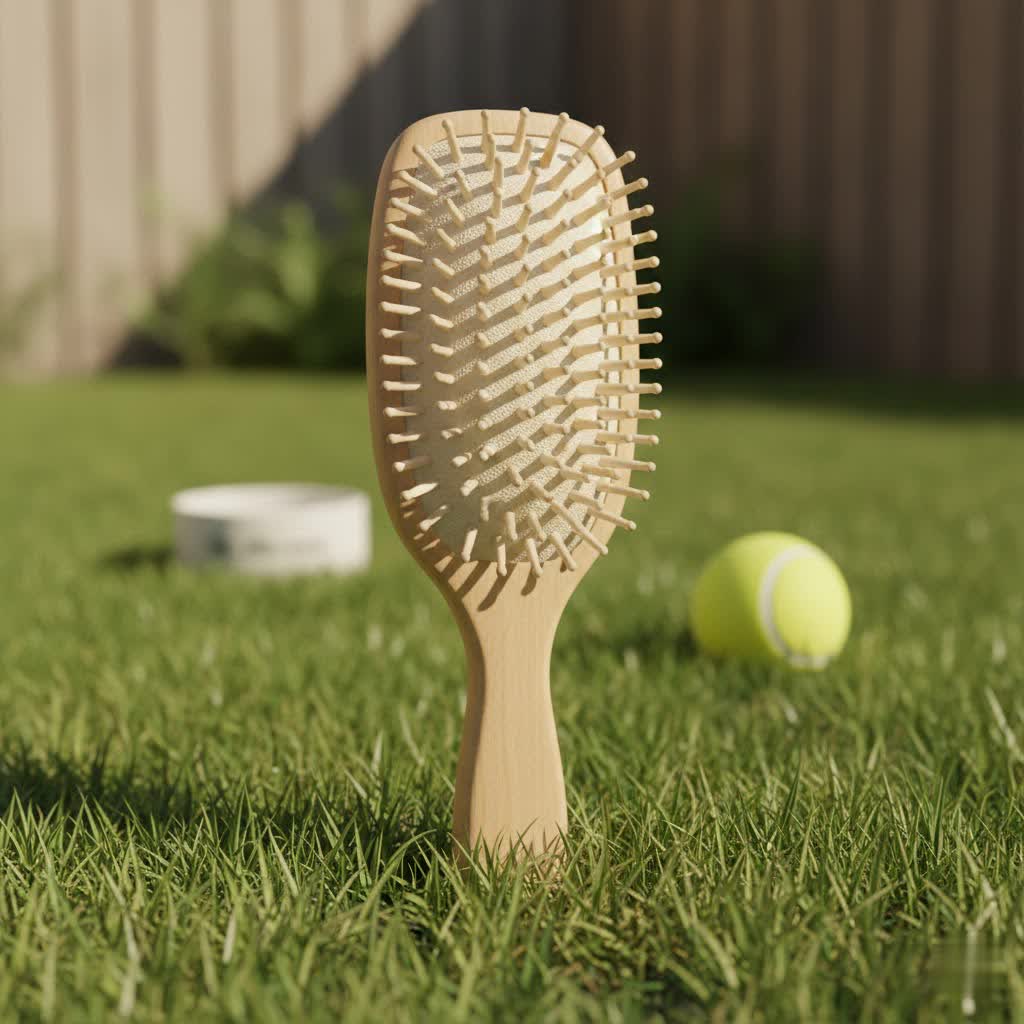
Have you ever stopped to consider what might be lingering in your hair brush? It’s not just stray hairs; it’s a collection of styling product residue, natural oils, dead skin cells, dust, and environmental grime. Regularly washing your hair brush isn’t just about hygiene; it’s a crucial step in maintaining vibrant, healthy hair and a balanced scalp. Neglecting this simple task can inadvertently re-deposit all that unwanted buildup back onto your fresh locks every time you brush, leading to dullness, greasiness, and even scalp issues. This comprehensive guide will walk you through everything you need to know about washing your hair brush, ensuring your essential styling tool supports your hair’s best health.
Why Washing Your Hair Brush Matters for Healthy Hair
|
Our Picks for the Best Hair Brush in 2026
We may earn a commission when you use one of our links to make a purchase.
|
||
| Num | Product | Action |
|---|---|---|
| 1 | Wet Brush Detangling Brush, Original Detangler Brush (Sky) - Wet & Dry Tangle-Free Hair Brush for Women & Men - No Tangle Soft & Flexible Bristles for Straight, Curly, & Thick Hair |

|
| 2 | Wet Brush Original Detangler Hair Brush, Black Frost - Ultra-Soft IntelliFlex Bristles - Detangling Brush Glides Through Tangles For All Hair Types (Wet Dry & Damaged Hair) - Women & Men |
|
| 3 | Wet Brush Original Detangler Hair Brush, Amazon Exclusive Purple - Ultra-Soft IntelliFlex Bristles - Detangling Hairbrush Glides Through Tangles For Wet, Dry & Damaged Hair - Women, & Men |
|
| 4 | Tangle Teezer Ultimate Detangler Brush for Wet & Dry Hair, Eliminates Knots & Reduces Breakage for All Hair Types, Millennial Pink |
|
| 5 | Hair Brush Boar Bristle Hairbrush for Thick Curly Thin Long Short Wet or Dry Hair Adds Shine and Makes Hair Smooth, Best Paddle Hair Brush for Men Women Kids |
|
| 6 | Medium Round Brushing Brush - Ceramic Hair Brush for a Smooth Salon Style Look - Professional Brushing Brush Ideal for All Hair Types - 43 mm |
|
| 7 | Kitsch Detangler Brush – Flexible Curly Hair Brush for Women, Men & Kids - Detangling Hairbrush with Bendable Frame and Ultra-Smooth Bristles for Wet or Dry Strands - Soft Violet |
|
| 8 | GAINWELL Bamboo Hair Brush for Hair Growth, Natural Bamboo Bristles Detangling Wooden Paddle Hairbrush for Massaging Scalp, for Women Men and Kids, for All Hair Types, with Ergonomic Handle |
|
| 9 | 10 Pack Natural Bamboo Hair Brushes, Wooden Paddle Scalp Massage Brush with Round-Tipped Bristles for Stimulating Hair Growth, Anti-Static Detangling for Women, Men |
|
| 10 | Conair Detangling Hair Brush Set 3 Pack, For Wet, Dry and All Hair Types, Detangling Brushes for Women in Blue, Pink, and Gray |
|
A hair brush might seem like an innocent tool, but it works hard to detangle, smooth, and style your hair daily. In doing so, it acts like a sponge, accumulating an array of substances. This includes the natural oils (sebum) produced by your scalp, remnants of your favorite dry shampoo, hairspray, gels, and other styling products, as well as the 50 to 100 strands of hair we naturally shed each day. Beyond these visible elements, your brush also collects microscopic dead skin cells and dust particles from your environment.
When you continue to use a dirty brush, you are essentially transferring all this accumulated grime, oil, and bacteria back onto your clean hair and scalp. This can negate the effects of your washing routine, making your hair appear greasy and lifeless sooner. More concerningly, a buildup of bacteria and fungi on your brush can contribute to scalp irritation, itchiness, and even exacerbate conditions like dandruff. A clean brush, on the other hand, effectively distributes your scalp’s natural, beneficial oils throughout your hair, promoting shine and health. It also makes detangling easier, ensures your hair products are distributed properly, and helps prevent unnecessary hair breakage or damage that can occur when bristles are clogged and tug at your strands.
How Often Should You Wash Your Hair Brush?
The frequency of washing your hair brush depends on a few factors, but as a general rule, a deep clean every two to four weeks is highly recommended. However, if your hair care routine involves heavy use of styling products like gels, mousses, or hairsprays, or if you have an oily scalp or struggle with dandruff, you might benefit from washing your brush more frequently – ideally once a week. Some experts even suggest cleaning your brush after every 20 blow dries if you frequently use heat styling tools.
Beyond these deep cleans, a simple yet vital habit is to remove loose hair from your brush after each use, or at least every couple of days. This prevents excessive hair buildup, which can trap more dirt and make the deep cleaning process harder. Regular maintenance ensures your brush remains effective and hygienic between washes.
Step-by-Step Guide to Washing Your Hair Brush
Washing your hair brush is a straightforward process that requires minimal effort but yields significant benefits. Here’s a detailed guide:
Step 1: Remove Loose Hair and Debris
Before any wet cleaning, it’s essential to remove as much tangled hair as possible. You can use your fingers, a rat-tail comb, or even a pair of tweezers for stubborn strands. Start from the base of the bristles and work your way up, gently lifting and pulling out the hair. For brushes with tightly packed bristles, using another comb to “comb out” the hair can be very effective. Doing this over a bin or sink will help contain any dislodged dust and skin flakes.
Step 2: Prepare Your Cleaning Solution
Fill a clean sink or a bowl with warm water. Then, add a cleansing agent. You have several effective options:
- Mild Shampoo or Dish Soap: Add a few drops of clarifying shampoo, baby shampoo, liquid Castile soap, or regular dish soap to the warm water. Swish to create suds.
- Baking Soda: For extra cleaning power, mix 1 to 2 teaspoons of baking soda with the warm water. Baking soda is excellent for breaking down oils and product buildup.
- White Vinegar: For a deeper clean, especially for plastic brushes, a solution of one part white vinegar to four parts warm water can be used. Some sources suggest half a cup of white vinegar for a thorough clean.
Step 3: Soak or Dip, Depending on Brush Type
This is a critical step where brush material dictates the method:
- Plastic or Metal/Plastic Brushes: These are the most resilient. You can fully submerge them in the soapy water and let them soak for 3 to 15 minutes. Some suggest up to 20-30 minutes for a truly deep clean with baking soda or vinegar.
- Brushes with Fabric or Soft Padding (like Paddle Brushes): Avoid fully submerging these brushes. Instead, dip only the bristles into the soapy water, making sure to keep the padded base as dry as possible. Water trapped in the cushion can lead to mold or degrade the adhesive. Dip, shake, and repeat several times.
- Wooden Brushes: These require the most careful attention. Never submerge a wooden brush entirely, as this can damage the wood, degrade its finish, or cause the bristles to loosen or the wood to swell and crack. Only dip the bristles into shallow soapy water for a maximum of a few minutes.
- Natural Bristle Brushes (e.g., Boar Bristle, Bamboo): Use gentler detergents, such as a mild, sulfate-free shampoo. Dip the bristles, but avoid prolonged soaking, especially if the handle is also natural material. Scrub and rinse quickly.
Step 4: Scrub Away Buildup
After soaking or dipping, use an old toothbrush or a dedicated brush cleaning tool to thoroughly scrub between the bristles and at their base. This helps dislodge any stubborn product buildup, oil, or lint that the soaking may not have fully removed. Pay close attention to the areas where hair tends to accumulate.
Step 5: Rinse Thoroughly
Rinse your brush under warm, running water until all traces of soap and residue are gone. It’s important to ensure no cleaning solution remains, as this could transfer to your hair.
Step 6: Proper Drying Techniques
Gently pat the brush with a clean towel to remove as much excess water as possible. For paddle brushes, gently squeeze the cushion base to help expel trapped water. Then, lay the brush bristle-side down on a clean towel to air dry completely. This position allows water to drain away from the base, preventing moisture from settling and potentially causing mold or damage. Depending on the brush type and humidity, a brush can take anywhere from 12 to 24 hours to dry completely. Ensure it is absolutely dry before using it again.
Common Types of Hair Brushes and Their Specific Cleaning Needs
Understanding your brush type is key to effective and safe cleaning.
- Paddle Brushes: Known for their wide, flat base and cushioned design. The cushion requires careful handling to prevent water from getting trapped inside, which can lead to mold or damage. Always dip only the bristles and gently squeeze the cushion after rinsing to remove excess water.
- Round Brushes: Often used for styling and adding volume. Like paddle brushes, if they have a cushioned base, avoid full submersion. Ensure all bristles, especially those near the center, are thoroughly scrubbed and rinsed.
- Boar Bristle Brushes: These brushes are prized for distributing natural oils. They often have wooden handles. Use mild, gentle cleansers (like baby shampoo) and avoid prolonged soaking of the bristles or handle to preserve their natural properties and the wood’s integrity.
- Plastic Brushes: Generally the most durable and easiest to clean. They can typically withstand full submersion in soapy water for longer periods without risk of damage, making them ideal for deeper cleaning solutions like those containing vinegar or baking soda.
- Wooden Brushes: From handles to bases, wood requires special care. Prolonged exposure to water can cause cracking, swelling, or mold. Always opt for quick bristle dips, avoid submerging the handle, and ensure quick, thorough drying.
- Vent Brushes: Their open structure makes them relatively easy to clean as there are fewer crevices for dirt to hide, and they dry quickly. They can typically be treated similarly to plastic brushes, but always check the handle material.
When to Consider Replacing Your Hair Brush
Even with regular cleaning, hair brushes don’t last forever. Knowing when to replace your brush is just as important as knowing how to clean it. Look for these signs:
- Damaged or Missing Bristles: If the bristles are bent, broken, or falling out, the brush won’t effectively detangle or style your hair, and could even cause breakage.
- Cracked or Peeling Base/Handle: This indicates structural damage that can harbor bacteria and affect performance.
- Persistent Dirt or Waxiness: If your brush still feels waxy or looks dirty even after a thorough cleaning, it’s likely accumulated irreversible buildup, and it’s time for a new one.
- Mold or Discoloration: Any signs of mold, mildew, or unusual discoloration are definite indicators that the brush needs to be discarded immediately.
- Increased Hair Breakage: If you notice an unusual increase in hair breakage or static when brushing, a worn-out brush might be the culprit.
As a general guideline, consider replacing your hair brush every six to twelve months, depending on its quality, how often it’s used, and the thickness of your hair.
Buying Guide: Choosing a Brush That’s Easy to Clean
When purchasing a new hair brush, keep ease of cleaning in mind to simplify your maintenance routine:
- Bristle Material: Synthetic bristles (like nylon) are generally more durable and easier to clean than natural bristles, which may require gentler detergents.
- Handle Material: Plastic handles are waterproof and can withstand full submersion. Wooden handles require more careful cleaning to avoid water damage.
- Design: Brushes with open vents or detachable parts can be easier to clean thoroughly and dry faster. Cushioned brushes should have a design that minimizes water retention.
Conclusion
Washing your hair brush is far more than a chore; it’s an indispensable ritual for maintaining both healthy hair and a hygienic grooming routine. By consistently removing accumulated hair, oils, and product buildup, you ensure that your brush remains an effective tool, rather than a dispenser of unwanted grime. Understanding the correct cleaning methods for different brush types — from soaking durable plastic brushes to carefully dipping delicate wooden or natural bristle ones — is crucial for extending their lifespan and preventing damage. Make washing your hair brush a regular and non-negotiable part of your beauty regimen to unlock the full potential of your hair’s health and shine.
What steps will you take this week to ensure your hair brush is as clean as your hair?
Frequently Asked Questions
What happens if I don’t clean my hair brush regularly?
If you neglect to clean your hair brush, it accumulates shed hair, product buildup, natural oils, dead skin cells, and bacteria. This grime is then redeposited onto your hair with every brush stroke, making your hair appear greasy and dull, and potentially leading to scalp irritation, itchiness, or dandruff.
Can I put my hair brush in the dishwasher?
While some very specific plastic hair brushes might be dishwasher safe on a cold cycle, it is generally not recommended for most brushes. The high heat can warp plastic, degrade glues, and damage bristles, especially for brushes with wooden components or cushioned bases. Hand washing is almost always the safest and most effective method.
What’s the best cleaning solution for a really dirty hair brush?
For a brush with heavy buildup, a solution of warm water mixed with a few drops of clarifying shampoo or dish soap, combined with a tablespoon or two of baking soda or white vinegar, can be highly effective. The baking soda or vinegar helps to break down stubborn oils and product residue, allowing for a deeper clean when scrubbed with an old toothbrush.
How do I deep clean a really dirty hair brush?
Start by meticulously removing all loose hair with a comb or tweezers. Then, for plastic brushes, soak it in a warm water solution with shampoo and baking soda for 15-30 minutes. For wooden or cushioned brushes, dip only the bristles in a gentle soapy solution for a shorter time. Use an old toothbrush to scrub thoroughly between the bristles and at the base, rinse completely, and air dry bristle-side down.