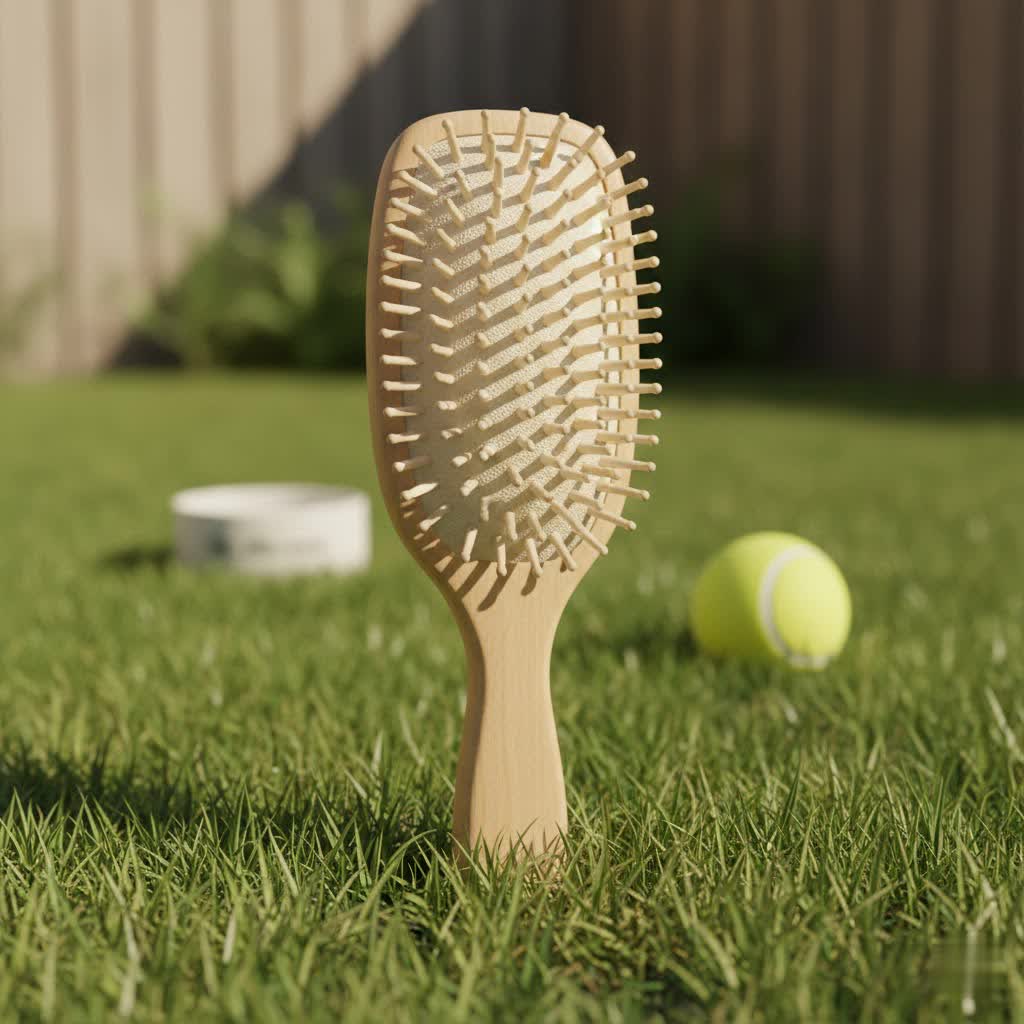
In a world increasingly aware of its environmental footprint, personal care routines are undergoing a significant transformation. From plastic-laden packaging to non-biodegradable tools, many everyday items contribute to landfill waste. Among these, the conventional plastic hair brush stands out as a pervasive culprit. But what if you could maintain healthy, beautiful hair while also making a positive impact on the planet? This article delves into the world of eco-friendly hair brushes, offering a comprehensive guide to understanding their benefits, exploring various types, and helping you choose the perfect sustainable tool for your unique hair needs. It’s time to brush up on your knowledge and embrace a greener approach to hair care.
What is an Eco-Friendly Hair Brush? Why is a Sustainable Choice Important?
|
Our Picks for the Best Hair Brush in 2026
We may earn a commission when you use one of our links to make a purchase.
|
||
| Num | Product | Action |
|---|---|---|
| 1 | GAINWELL Bamboo Hair Brush for Hair Growth, Natural Bamboo Bristles Detangling Wooden Paddle Hairbrush for Massaging Scalp, for Women Men and Kids, for All Hair Types, with Ergonomic Handle |

|
| 2 | 10 Pack Natural Bamboo Hair Brushes, Wooden Paddle Scalp Massage Brush with Round-Tipped Bristles for Stimulating Hair Growth, Anti-Static Detangling for Women, Men |
|
| 3 | Tangle Teezer Ultimate Detangler Brush for Wet & Dry Hair, Eliminates Knots & Reduces Breakage for All Hair Types, Millennial Pink |
|
| 4 | Hair Brush Boar Bristle Hairbrush for Thick Curly Thin Long Short Wet or Dry Hair Adds Shine and Makes Hair Smooth, Best Paddle Hair Brush for Men Women Kids |
|
| 5 | Kitsch Detangler Brush – Flexible Curly Hair Brush for Women, Men & Kids - Detangling Hairbrush with Bendable Frame and Ultra-Smooth Bristles for Wet or Dry Strands - Soft Violet |
|
| 6 | Wet Brush Original Detangler Hair Brush, Amazon Exclusive Purple - Ultra-Soft IntelliFlex Bristles - Detangling Hairbrush Glides Through Tangles For Wet, Dry & Damaged Hair - Women, & Men |
|
| 7 | Wet Brush Detangling Brush, Original Detangler Brush (Sky) - Wet & Dry Tangle-Free Hair Brush for Women & Men - No Tangle Soft & Flexible Bristles for Straight, Curly, & Thick Hair |
|
| 8 | Wet Brush Original Detangler Hair Brush, Black Frost - Ultra-Soft IntelliFlex Bristles - Detangling Brush Glides Through Tangles For All Hair Types (Wet Dry & Damaged Hair) - Women & Men |
|
| 9 | Medium Round Brushing Brush - Ceramic Hair Brush for a Smooth Salon Style Look - Professional Brushing Brush Ideal for All Hair Types - 43 mm |
|
| 10 | Conair Detangling Hair Brush Set 3 Pack, For Wet, Dry and All Hair Types, Detangling Brushes for Women in Blue, Pink, and Gray |
|
An eco-friendly hair brush is a grooming tool meticulously crafted from sustainable, biodegradable, recycled, or ethically sourced materials, designed to minimize environmental impact throughout its lifecycle. Unlike traditional plastic brushes that can take hundreds of years to decompose, these brushes offer a conscious alternative. The history of hair brushes spans millennia, evolving from natural materials like animal bones and wood to the mass-produced plastic versions prevalent today. However, this convenience came at a cost: plastic pollution has become a global crisis, with countless discarded brushes contributing to overflowing landfills and ocean waste.
The importance of choosing a sustainable hair brush extends beyond environmental preservation. These brushes often incorporate natural materials that are gentler on the hair and scalp, reducing static, distributing natural oils more effectively, and promoting overall hair health. By opting for an eco-friendly hair brush, you’re not just making a single purchase; you’re investing in a product that aligns with a broader commitment to a healthier planet and a healthier you. Common eco-friendly materials include fast-growing bamboo, FSC-certified wood, natural rubber for cushions, and even plant-based plastics or recycled materials.
Popular Types of Eco-Friendly Hair Brushes and Their Benefits
The market for sustainable hair care tools is expanding, offering a variety of eco-friendly hair brush types, each with unique features and benefits. Understanding these can help you select the most suitable brush for your specific hair concerns and styling goals.
Bamboo and Wooden Paddle Brushes are renowned for their wide, flat bases and widely spaced pins, often made from bamboo or FSC-certified wood. These are excellent for detangling long, thick, or straight hair without static buildup. The smooth wooden pins glide through knots gently, minimizing breakage, while the broad surface helps to smooth the hair cuticle for a sleek finish. Many also feature natural rubber cushions, further enhancing their eco-credentials.
Natural Bristle Brushes, often made from ethically sourced boar bristles or plant-based alternatives like sisal or agave fibers, are exceptional for distributing natural oils from the scalp down to the hair ends. This process naturally conditions the hair, adds shine, and improves texture without the need for additional products. Boar bristle brushes are particularly effective for fine to normal hair, promoting volume and reducing frizz. Vegan options provide similar benefits using plant-derived fibers.
Wooden Pin Brushes typically feature a cushioned base with rounded wooden pins. These brushes are fantastic for stimulating the scalp, promoting blood circulation, which in turn can encourage hair growth. The wooden pins provide a gentle massage, making them ideal for sensitive scalps and reducing static electricity in the hair. They are also effective for general detangling and smoothing, especially for those with normal to oily hair types.
Compostable and Recycled Plastic Brushes represent innovative solutions in sustainable hair care. Brushes made from plant-based bioplastics (like cornstarch) or 100% recycled plastics offer a lightweight and often flexible alternative to traditional plastic. While not always fully biodegradable in home compost, they significantly reduce the demand for virgin plastic and often feature designs optimized for detangling or styling, making them convenient and eco-conscious choices for travel or specific styling needs.
Eco-Friendly Round Brushes are designed for styling, adding volume, and creating waves or curls. Available with bamboo handles and either natural bristles or plant-based pins, these brushes allow you to achieve salon-quality styles while maintaining your commitment to sustainability. Their ventilated designs often speed up drying time when used with a hairdryer.
Detailed Comparison of Eco-Friendly Hair Brush Materials
Choosing an eco-friendly hair brush often comes down to the materials it’s made from. Each sustainable option offers distinct advantages and caters to different hair care needs.
| Material | Purpose / Best For | Eco-Benefit | Pros | Cons | Price Range |
|---|---|---|---|---|---|
| Bamboo | Detangling, Smoothing, All hair types | Fast-growing, Renewable, Biodegradable | Lightweight, Durable, Anti-static, Gentle on scalp | Can be porous, requires proper drying after washing | Mid |
| FSC-Certified Wood | Detangling, Styling, Scalp massage | Sustainably managed forests, Biodegradable | Sturdy, Elegant, Distributes oils, Reduces static | Heavier than bamboo, can crack if not maintained | Mid – High |
| Natural Rubber | Cushion for bristles, Handles | Renewable, Biodegradable (if pure latex) | Flexible, Durable, Provides comfort and grip | Can have a distinct smell initially | N/A (component) |
| Natural Boar Bristles | Distributes oils, Adds shine, Fine/Normal hair | By-product, Biodegradable | Excellent for shine, Gentle, Conditions hair | Not vegan, Can be expensive, Requires cleaning | Mid – High |
| Vegan Sisal/Agave Bristles | Detangling, Scalp stimulation, All hair types | Plant-based, Renewable, Biodegradable | Excellent detangling, Firm but gentle, Vegan | Can be stiffer than boar bristles | Mid |
| Recycled/Bioplastic | Detangling, Travel, Specific styles | Reduces virgin plastic demand, Compostable options | Lightweight, Flexible, Often affordable, Durable | Biodegradability varies, may not be home compostable | Low – Mid |
How to Choose the Right Eco-Friendly Hair Brush for Your Hair Type
Selecting the ideal eco-friendly hair brush requires understanding your hair type and its specific needs. A brush that works wonders for one hair texture might be detrimental to another.
For straight or fine hair, choose brushes with soft, flexible bristles or rounded wooden pins. A wooden pin brush can gently detangle and stimulate the scalp without snagging or causing static. Soft natural boar bristles are also excellent for distributing natural oils, adding natural shine and volume without weighing down fine strands.
Thick or wavy hair benefits from sturdy wooden paddle brushes or brushes with a mix of natural and synthetic (plant-based) bristles. These types provide enough strength to navigate through dense hair, effectively detangling and smoothing. Look for brushes with widely spaced, strong pins to prevent breakage and reduce frizz.
If you have curly or coily hair, gentle detangling is paramount. While not strictly a brush, wide-tooth wooden combs are often the first line of defense for wet curly hair. For dry detangling, specialized eco-friendly detangling brushes with flexible, widely spaced pins made from plant-based plastics or durable wood are ideal. Avoid brushes with too many bristles or those that are too stiff, as they can disrupt curl patterns and cause frizz.
For those with an oily scalp, natural boar bristle brushes or wooden pin brushes can be highly beneficial. Boar bristles excel at absorbing excess oil and distributing it along the hair shaft, effectively cleansing the scalp and conditioning the ends. Wooden pins can also help regulate oil production through gentle scalp massage.
Dry, brittle, or easily breakable hair requires the softest touch. Opt for brushes with very soft natural bristles or rounded wooden pins that are gentle on the hair cuticle and minimize friction. Avoid brushes with sharp edges or stiff bristles that can cause further damage. A gentle wooden pin brush can also stimulate blood flow to the scalp, promoting healthier hair growth.
Finally, for a sensitive scalp, brushes with rounded wooden pins offer a soothing massage that stimulates circulation without irritation. Ensure the pins are smooth and free of sharp edges.
How to Brush Hair Correctly for Healthy, Happy Hair (with an Eco-Brush)
Even the most sustainably sourced brush won’t work its magic if not used correctly. Proper brushing techniques are crucial for maintaining hair health and maximizing the benefits of your eco-friendly tool.
Always start brushing from the ends of your hair, gently working your way up to the roots. This method allows you to detangle knots in smaller sections, preventing pulling, breakage, and damage to the hair shaft. Use short, downward strokes, and hold the hair section you are working on to minimize tension on the scalp.
It’s generally best to brush your hair when it is dry or slightly damp, rather than soaking wet. Wet hair is more fragile and prone to stretching and breaking. If you must detangle wet hair (especially for curly types), use a wide-tooth wooden comb first, then follow with a suitable eco-friendly detangling brush once it’s mostly dry.
Brush your hair regularly, about two to three times a day, to distribute natural oils, stimulate the scalp, and remove loose strands and product buildup. A quick brush in the morning, midday, and before bed can significantly improve hair texture and shine.
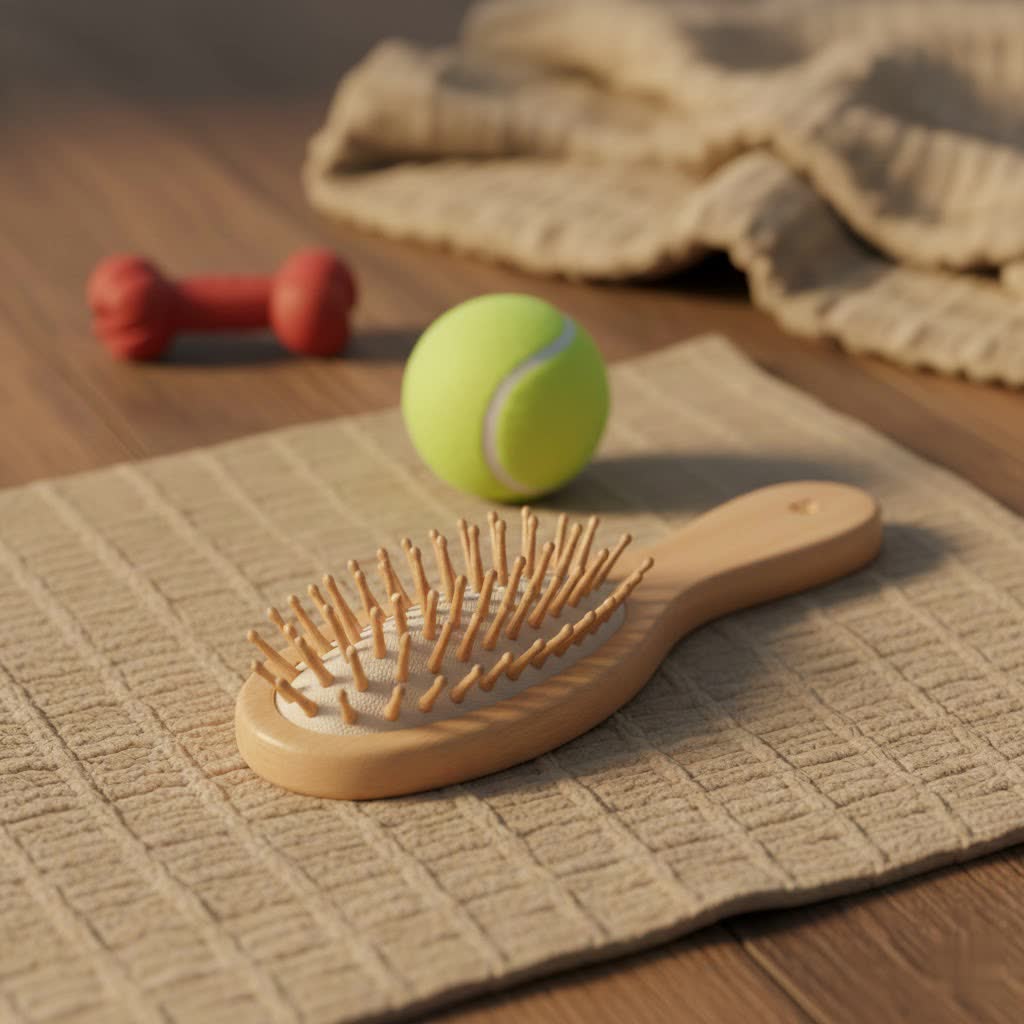
Clean your eco-friendly hair brush frequently. Hair, dust, and product residue can accumulate between the bristles, making the brush less effective and potentially spreading dirt back to your hair. For wooden or bamboo brushes, gently remove trapped hair with a comb or your fingers. Use a soft cloth or an old toothbrush with a mild, natural soap and lukewarm water to clean the bristles, being careful not to soak wooden handles, as this can cause cracking or warping. Air dry the brush with the bristles facing down.
Finally, complement your eco-friendly brushing routine with natural hair care products. Using organic shampoos, conditioners, and styling products further enhances your sustainable approach to hair health, ensuring that your efforts for the planet extend to every aspect of your routine.
Where to Buy Eco-Friendly Hair Brushes? Price Considerations
As the demand for sustainable products grows, eco-friendly hair brushes are becoming more accessible. You can find them in various retail outlets, both online and in physical stores, making it easier than ever to make a conscious choice for your hair and the environment.
Online sustainable beauty stores and marketplaces are often the best places to start your search. These platforms specialize in ethically sourced and eco-conscious products, offering a wide selection of brands and materials. Websites dedicated to natural living, zero-waste, or organic beauty frequently feature a curated collection of eco-friendly brushes. Additionally, larger e-commerce sites like Amazon also carry options, though it requires more diligent research to ensure true eco-credentials.
Health food stores and natural product retailers often stock a range of personal care items, including eco-friendly hair brushes. These brick-and-mortar stores allow you to physically examine the brush, feel the materials, and assess its quality before purchasing. They typically prioritize brands that align with their ethos of health and sustainability.
When it comes to price, eco-friendly hair brushes generally fall into the mid to high range compared to conventional plastic brushes. This is due to the higher cost of sustainable materials, ethical manufacturing processes, and the craftsmanship involved. Expect to pay anywhere from $15 to $50 or more for a high-quality, durable eco-friendly brush. While the initial investment might be higher, these brushes are often designed to last much longer than their plastic counterparts, making them a more economical and sustainable choice in the long run. Many reputable brands offer a range of brushes, allowing you to find an option that fits your budget without compromising on quality or sustainability.
Buying Guide: Key Factors for Your Sustainable Hair Brush Purchase
Navigating the array of eco-friendly hair brushes can be simplified by focusing on a few key considerations. Making an informed choice ensures that your new brush aligns with both your hair care needs and your environmental values.
The materials of the brush are paramount. Prioritize options that are biodegradable, sustainably sourced, or made from recycled content. Look for handles made from fast-growing bamboo or FSC-certified wood, which ensures the wood comes from responsibly managed forests. For bristles, consider natural boar bristles (if ethical sourcing is verified), plant-based fibers like sisal or agave, or wooden pins. Cushions should ideally be made from natural rubber rather than synthetic plastics. Avoid brushes with excessive plastic packaging and opt for those with recyclable or compostable wrapping.
Consider the bristle type carefully, matching it to your hair’s specific requirements. Soft natural bristles or rounded wooden pins are best for fine, fragile, or sensitive hair and scalp. Sturdier, more widely spaced pins or mixed bristles are better suited for thick, curly, or wavy hair that requires effective detangling. If you’re looking to distribute natural oils and add shine, a brush with dense natural bristles is your best bet.
The handle ergonomics also play a crucial role in your brushing experience. A comfortable, well-balanced handle ensures a secure grip and ease of use, reducing hand fatigue during brushing. Test the weight and feel of the brush if possible. Many eco-friendly brushes with wooden or bamboo handles are designed with ergonomic comfort in mind, offering a more pleasant brushing experience than many plastic alternatives.
Durability is an essential factor for any sustainable purchase. An eco-friendly hair brush should be an investment that lasts for years, reducing the need for frequent replacements. High-quality bamboo, FSC-certified wood, and well-constructed bristles contribute to a brush’s longevity. Read reviews and look for brands known for their craftsmanship and long-lasting products. A durable brush means less waste over time.
Finally, consider any certifications or transparency statements from the brand. Labels such as FSC (Forest Stewardship Council) for wood, “vegan” for bristle types, or indications of recycled content can provide assurance of the product’s environmental claims. Brands that are transparent about their sourcing and manufacturing processes are often more trustworthy.
“Switching to an eco-friendly hair brush is a small step, but it’s a powerful one. It reduces plastic waste, supports sustainable industries, and often provides a gentler, healthier experience for your hair and scalp.” – Dr. Elena Petrova, Environmental Science & Sustainable Products Specialist
Conclusion
Embracing an eco-friendly hair brush is more than just a trend; it’s a conscious choice that benefits both your hair and the planet. Throughout this guide, we’ve explored the profound impact of traditional plastic brushes, highlighted the myriad benefits of sustainable alternatives, and provided a detailed roadmap for selecting the perfect eco-friendly tool. From the renewable resources of bamboo and FSC-certified wood to the gentle touch of natural bristles, these brushes offer a superior and responsible way to care for your hair.
By understanding the various types of eco-friendly brushes, matching them to your unique hair type, and adopting proper brushing techniques, you can achieve healthier, shinier hair while significantly reducing your environmental footprint. The journey towards a greener beauty routine is a rewarding one, and your hair brush is an excellent place to start. So, why not make the switch today and experience the difference an eco-friendly hair brush can make?
Frequently Asked Questions
What are the most common eco-friendly hair brush materials?
The most common eco-friendly hair brush materials include fast-growing bamboo and sustainably sourced (FSC-certified) wood for handles and pins. For bristles, options range from ethically sourced natural boar bristles to plant-based fibers like sisal or agave. Some modern eco-brushes also utilize recycled plastics or plant-based bioplastics for their components, offering innovative sustainable solutions.
Are eco-friendly hair brushes better for my hair?
Yes, eco-friendly hair brushes are often better for your hair. Materials like wood and natural bristles generate less static electricity than plastic, leading to smoother, less frizzy hair. Natural bristles effectively distribute your scalp’s oils, providing natural conditioning and shine. Additionally, the rounded wooden pins found in many eco-brushes can gently massage the scalp, stimulating blood flow and promoting healthier hair growth.
How do I clean a wooden or bamboo hair brush?
To clean a wooden or bamboo hair brush, first, remove all trapped hair using a comb or your fingers. Then, using a soft cloth or an old toothbrush, gently scrub the bristles with a mild, natural soap and lukewarm water. Avoid soaking the wooden or bamboo parts, as this can cause warping or cracking. Rinse the bristles thoroughly and lay the brush bristle-side down on a towel to air dry completely.
Can I use an eco-friendly brush on wet hair?
While some eco-friendly detangling brushes made with durable wood or flexible plant-based pins can be used on damp hair, it’s generally recommended to brush hair when it’s dry or slightly moist. Wet hair is more vulnerable to breakage. For detangling very wet hair, especially curly types, a wide-tooth wooden comb is often a safer and more effective first step before using a brush.
How long do eco-friendly hair brushes last?
High-quality eco-friendly hair brushes are designed for durability and can last for many years with proper care. Materials like bamboo and FSC-certified wood are robust and can withstand daily use. Unlike cheap plastic brushes that may break or lose their effectiveness quickly, an eco-friendly brush is often a long-term investment that reduces waste and provides consistent performance.